


World's Best Cat Litter: 2026 Guide to the Best Litter for Your Cat and Home
Choosing the world’s best cat litter in 2026 is no longer as simple as grabbing the cheapest bag of kitty litter at the store. Today’s options include clay, silica gel, and natural/biodegradable materials, with formulas designed for odor control, clumping, low dust, tracking litter reduction, and even health monitoring.
This guide will help you compare the best cat litter options for your cat’s health, your house, and your daily cleaning routine.
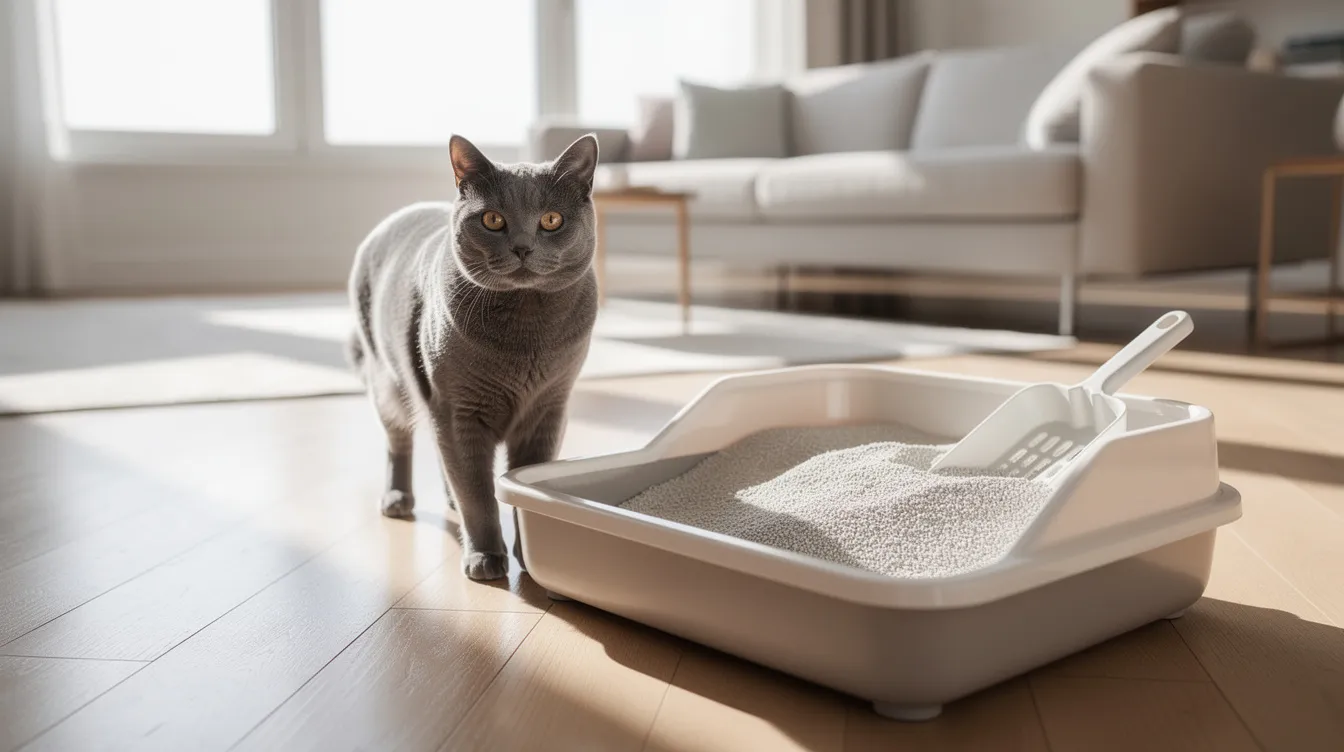
What Makes a Litter the “World’s Best” in 2026?
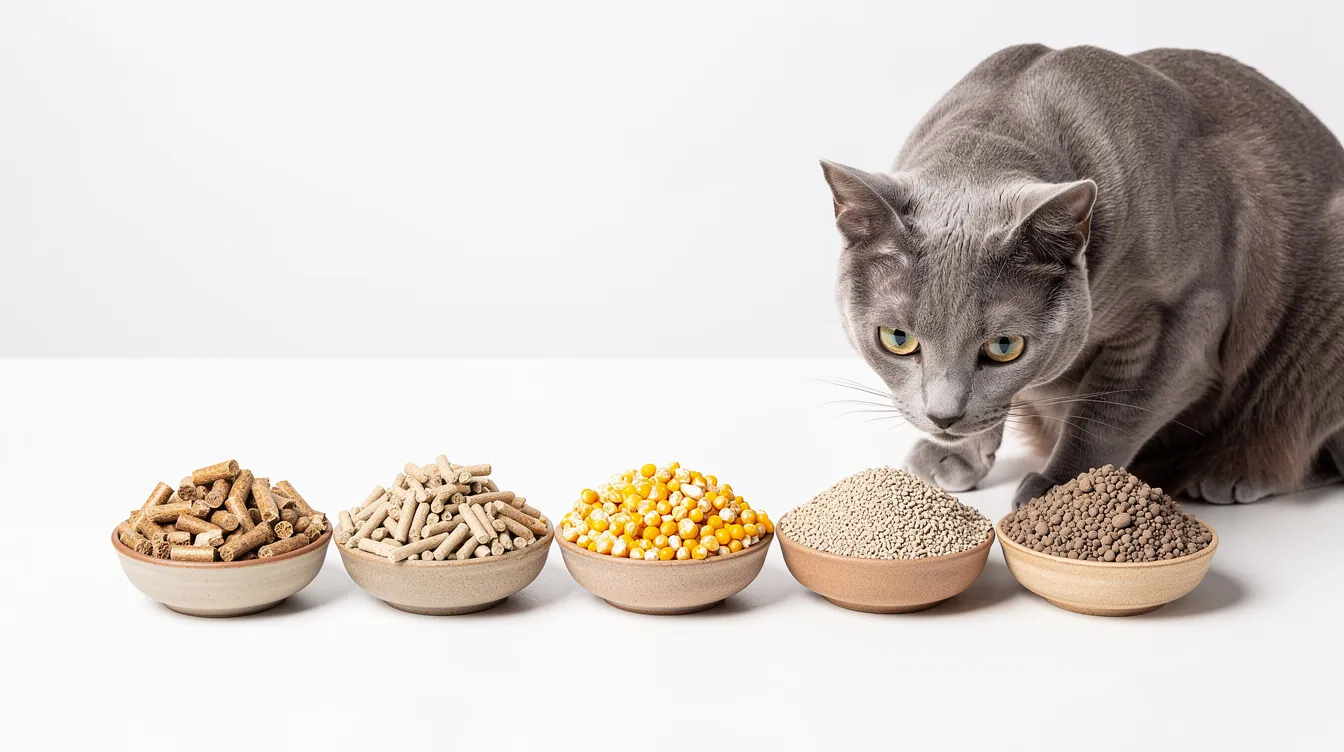
Early clay cat litter became popular in the mid-20th century because it was more absorbent than sand or ash. In 2026, the category is much broader: clumping clay litter, silica crystals, flushable cat litter, wood fiber, corn, walnut, wheat, tofu, and pellet litter all compete for the title of best litter.
In this article, “world’s best cat litter” means the safest, cleanest, and most practical option for real homes. That includes:
-
Ammonia odor control over 24–48 hours, not just perfume covering poop.
-
Clumping speed and firmness, so scoopable clumps lift out cleanly without chiseling.
-
Dust level, including fine dust that can affect a cat’s health and human breathing comfort.
-
Tracking, or how much litter ends up outside the box on your cat’s feet.
-
Safety and ingredients, from clay to silica to corn and other cat litters made with renewable materials.
-
Eco friendly factors, including biodegradability, mining impact, packaging, and shipping weight.
Many cat litters are designed to be low-dust, which is beneficial for both cats and humans, especially those with respiratory issues. Recent research on plant-based litter also suggests that natural materials can reduce airborne particles compared with traditional clay, improving indoor air quality in some homes, according to a 2026 plant-litter review published by IJSAT.
The best tests mirror daily life: one cat versus two cats, many cats, covered boxes, open boxes, automatic litter boxes, long haired cats, and busy family members who may not scoop at the same time every day.
The worst cat litter is not always the cheapest one. It is the one your cat refuses to use.
Cat preference is critical. A technically excellent litter fails if your cat avoids the box because the texture, smell, or depth feels wrong.
Types of Cat Litter: Pros, Cons, and Best Uses
Understanding litter types makes it easier to choose the right litter for your home. Cat litter options include clay, silica gel, and natural/biodegradable materials, and each type has real strengths and trade-offs.
-
Clumping clay litter
This is usually sodium bentonite-based clumping litter. It forms tight clumps quickly, which makes easy scooping and odor control straightforward. Most clay litters feel familiar to cats because they have a sand-like texture, and fine-grained textures in litter mimic natural soil and are appealing to cats.
Best for: multi-cat homes, automatic boxes, and cats that dislike unusual textures.
Watch for: heavy bags, dust, non-biodegradable waste, and the environmental impact of clay mining. Price is usually lower than natural litter. -
Non-clumping clay litter
This older style absorbs urine but does not form scoopable clumps. It can be cheaper than clumping clay litter, but the cat’s waste is harder to remove fully, which can increase litter box odor over time.
Best for: short-term kitten setups when advised by a vet, or budget backup use.
Watch for: frequent full changes and weaker ammonia odors control. -
Corn-based clumping litter
Corn litter is usually lightweight, plant-based, and often sold as flushable cat litter. World’s Best Cat Litter claims to provide outstanding odor control by using whole-kernel corn, which absorbs odors naturally without relying on artificial fragrances.
Best for: homes wanting a natural, lighter, all natural alternative with minimal dust.
Watch for: cats that try to eat corn, possible corn dust, and storage issues in damp areas. -
Wheat, walnut, and other grain litters
These renewable ingredients are often biodegradable and popular with eco-conscious owners. Walnut litter, for example, can be strong against ammonia odors, while wheat may clump well but vary by brand.
Best for: indoor cats, sustainability-focused homes, and owners avoiding clay.
Watch for: variable smell, tracking, and food-allergy concerns. -
Wood and pellet litters
Wood fiber and pine pellets are known for low dust and strong absorption. Larger pellets in cat litter reduce tracking compared to smaller granules, which helps keep the area around the litter box cleaner. Large pellets can also be useful for kittens that need a safer, less dusty learning material.
Best for: respiratory-sensitive cats, allergy-prone homes, and owners wanting biodegradable litter.
Watch for: different scooping technique, sawdust breakdown, and cats that dislike pellets. -
Silica crystal litter
Silica traps moisture and odor in gel beads. It can last longer than many clay formulas, but some cats dislike the hard texture under a cat’s paws.
Best for: owners who want less frequent full changes and strong urine odor absorption.
Watch for: texture rejection, stirring requirements, and compatibility issues with some automatic litter boxes. -
Tofu-based litter
Tofu-based litters, such as Pidan, are praised for their good odor control and low tracking, making them a preferred option for many cat owners. They can be soft and absorbent, but the texture is not accepted by all cats.
Best for: apartment living, eco-aware homes, and owners prioritizing low tracking.
Watch for: cost and cat acceptance.
How to Choose the Best Cat Litter for Your Cat and Lifestyle
The world’s best litter is the one your cat will use consistently and you can realistically maintain. A premium bag does not help if it is too expensive, too dusty, too perfumed, or too strange under your cat’s feet.
Consider these factors first:
-
Age and health: kittens may need non-clumping or larger-grain litters at first; seniors with arthritis may prefer soft litter and low-sided boxes.
-
Household size: one cat is easier to manage than two cats or a multiple cat household.
-
Sensitivities: avoid scented litter for sensitive cats, because unscented litters are preferred for cats as artificial fragrances can irritate their noses.
-
Box type: covered, open, top-entry, and automatic litter boxes all change how dust, odor, and tracking behave.
-
Budget: clay is cheaper per pound, while lightweight litter can be easier to carry and may last longer by volume.
-
Storage: corn, wheat, and walnut need dry storage to avoid spoilage.
If you have a small apartment, two cats, and no fragrance tolerance, start with an unscented clumping clay or low-tracking tofu formula. If you prioritize eco friendly materials and have one cat, World’s Best, ökocat, or walnut litter may be a better fit. If you use an automatic box, choose a manufacturer-approved clumping litter rather than experimenting with pine pellets or large pellets.
Transitioning litters should be done gradually to prevent litter box avoidance. Mix 75% old litter with 25% new litter for a few days, then move toward a 50/50 mix, then mostly new litter over 7–10 days.
Don’t make the mistake of changing the litter, box location, and cleaning schedule all at once. If your cat protests, you will not know which change caused the problem.
Odor Control and Easy Scooping: What Really Works
Ammonia odors and cleaning effort are the biggest daily pain points for cat owners. The best litter controls urine odor, seals solid waste quickly, and keeps the box pleasant enough that cats return to it.
Here is how different litters fight smell:
-
Clumping clay litter uses bentonite to swell around urine, sealing moisture so ammonia does not evaporate as quickly.
-
Corn and plant-based clumping litters absorb odor in their fiber structure and often use a plant based additive or natural enzymes instead of perfume.
-
Silica gel crystals trap moisture and odor, but they need stirring and timely replacement.
-
Wood litter absorbs liquid into fiber and adds a mild natural wood smell.
Clumping ability is a key feature in cat litter, allowing for easier scooping and maintenance of the litter box. In practice, fast clumping means urine clumps form a stable mass within seconds or minutes and lift out cleanly without breaking apart. The clump should not shatter when lifted, because broken pieces contaminate clean litter and make the box stink sooner.
For better results:
-
Keep clumping litter about 2–3 inches deep.
-
Use a sturdy metal scoop for clay and corn.
-
Scoop urine and poop at least once daily, twice daily for multi cat homes.
-
Wash the box with mild soap at each full change.
-
Do not rely on perfume; strong scent does not equal clean.
A scented version may appeal to humans, but many cats prefer unscented formulas. If poop stink is the issue, better scooping and stronger clumps usually work better than fragrance.
Encouraging Good Habits: Getting Your Cat to Love the Litter Box
Even the world’s best cat litter fails if the cat develops bad litter box habits. Cats value consistency, clean surfaces, and safe locations more than clever marketing.
Use these guidelines:
-
Follow the box rule: one litter box per cat, plus one extra.
-
Put boxes in quiet areas, away from laundry machines and food bowls.
-
Keep depth consistent so your cat knows what to expect.
-
Use attractant litter or a litter attractant additive for rescues, anxious cats, or cats with past accidents.
-
Make changes gradually.
For kittens, start with soft, low-dust, non-clumping litter until they stop mouthing litter. PetMD’s overview of what cat litter is made from notes that litter materials vary widely, and ingestion risk is one reason young kittens need extra caution.
For senior cats, choose a low-sided box and paw friendly texture, since very fine particles are more likely to stick to a cat's feet, while larger pellets usually track less. Fine-grained litter may be easier on sore joints, but avoid dusty formulas that irritate breathing.
A real-life pattern is common: a cat starts avoiding the box after a sudden switch from clay to wood pellets. Adding a second box with the old clay cat litter, then slowly mixing in the natural option, often restores good habits without stress.
Eco Friendly vs Traditional Clay Litter: What’s Better in 2026?
Interest in eco friendly cat litter has grown because clay mining is resource-intensive, heavy to ship, and not biodegradable. At the same time, clay remains popular because it is reliable, affordable, and familiar to cats.
Here is the practical comparison:
-
Clay cat litter is not biodegradable, usually strip-mined, and heavy, but it delivers dependable clumping and odor control.
-
Biodegradable cat litter options are made from natural materials, such as corn, which can break down in the environment, reducing landfill waste.
-
Eco-friendly cat litters often use renewable resources and avoid harmful chemicals, making them a safer choice for both pets and the environment.
-
Corn, wheat, walnut, tofu, and wood litters are often lighter, which can reduce shipping weight and make storage easier.
-
Packaging and full-change frequency still matter when judging total environmental impact.
Flushability needs care. Flushable cat litter is designed to be safe for septic systems, allowing for easy disposal without clogging plumbing when used correctly. However, “flushable” does not mean every toilet, septic system, or local regulation allows it. Check local rules so you dispose of cat's waste responsibly.
Choose eco friendly litter if reducing landfill waste is a priority and your cat accepts the texture. Choose clay if you need maximum reliability, especially with heavy urine output or a busy multi-cat home.
Being all natural should never come at the expense of the cat’s health or reliable box use. The cat’s needs come first.
Where and How to Buy the World’s Best Cat Litter in 2026
Availability and price vary by region, so it helps to buy strategically, whether you buy world's preferred formula locally or order online. The best place to buy world’s best cat litter or any other world’s best cat formula depends on whether you are testing a new product or restocking a proven one.
Main options include:
-
Local pet stores and big-box retailers for trying a small bag before committing.
-
Online marketplaces and brand websites for bulk discounts, subscriptions, and specialty natural litter.
-
Grocery and convenience stores for emergency clay litter when you suddenly run out.
Comparing litter brands first can help before you commit to a bulk order.
Buying tips:
-
Compare cost per month, not just cost per pound.
-
Try a small bag first if switching from clay to corn, tofu, walnut, or wood.
-
Store plant-based litter in a dry sealed container.
-
Watch for formula changes, such as more dust, weaker clumping, or new smell.
-
Consider weight: lightweight cat litters are easier to handle and transport, making them more convenient for regular use and maintenance.
Some brands offer subscription deliveries every 3–6 weeks. That can help if you already know a world’s best option works for your cats and your box setup.
FAQ: World’s Best Cat Litter Questions Answered
How often should I completely change my cat’s litter if I scoop daily?
It depends on the litter type and the number of cats. Traditional clumping clay usually needs a full change every 2–4 weeks if you scoop daily. Crystal litter may last 3–4 weeks, while non-clumping and pellet litter often need more frequent full changes.
Change sooner if you notice persistent odor, wet patches, darkened litter, or sticky residue on the bottom of the box. Multi-cat households need full changes more often than single-cat homes.
Is clumping litter safe for kittens and very young cats?
Many vets recommend starting kittens on non-clumping or larger-grain litter because young cats may taste or ingest litter while learning. Clumping clay can be risky if swallowed in meaningful amounts.
Most owners switch to clumping litter once the kitten reliably uses the box and stops mouthing litter, often around 4–5 months, but your veterinarian should guide that decision. Monitor for vomiting, constipation, diarrhea, or appetite changes after any litter change.
Can I mix different brands or types of cat litter together?
Mixing can work during transitions, especially when blending old and new clumping litter over 7–10 days. It is less reliable when combining very different materials, such as clay plus crystals or corn plus pine pellets.
For automatic litter boxes, mixing is usually not advised. Different weights and particle sizes can interfere with rakes, sifters, sensors, and waste drawers.
What should I do if my cat suddenly stops using the litter box after I switch litter?
Revert immediately to the old, familiar litter in at least one box. This gives your cat a safe option and helps prevent accidents from becoming a habit.
You should also contact a veterinarian to rule out urinary tract infections, pain, constipation, or other medical issues. Once medical causes are excluded, reintroduce the new litter slowly in a separate box.
Are scented cat litters bad for cats?
Not all scented litters are harmful, but strong artificial fragrances can irritate sensitive noses and respiratory systems, while naturally absorbent corn formulas can control odor without relying on heavy perfume. Most cats do better with unscented or lightly scented formulas that rely on real odor control instead of perfume.
If your cat sneezes, avoids the box, scratches excessively, or seems uncomfortable after a switch, stop using the scented litter and return to a familiar unscented option.
Ready for the Next Step? Give MICHU a Try
Finding the perfect cat litter for your feline friend and your home often takes a bit of trial and error. If you are looking for an option that perfectly aligns with the 2026 standard for high-quality pet care—combining natural, eco-friendly ingredients with virtually zero dust, tight clumping, and low tracking—we highly recommend adding MICHU Cat Litter to your list.
Known for their premium natural tofu litter , mixed litters, and wonder litter MICHU beautifully solves the daily pain points of modern indoor cat parents. Not only is it exceptionally gentle on your cat's sensitive paws and respiratory system, but its outstanding odor-locking technology keeps your home smelling fresh all day. Plus, the fast-clumping and anti-tracking formula will save you precious sweeping and scooping time.
Instead of feeling overwhelmed by endless options, treat your cat to a cleaner, more comfortable bathroom experience.