


Many cat owners wonder: can cat litter cause cancer in humans? This article explores the science behind this concern, focusing on cancer risk and other health issues associated with cat litter. Understanding the potential health risks of cat litter is important for protecting both human and pet health. This guide is specifically for cat owners and anyone concerned about household health risks related to cat litter.
Curious? Watch the mini science video right here
https://youtu.be/s5tTCGPpiT4
Introduction to Cat Litter
Cat litter is a staple in every cat owner’s home, providing a dedicated space for household pets to do their business while keeping the environment clean and odor-free. With so many options on the market, it’s important to understand the differences between types of cat litter and how they might affect both your health and your cat’s well-being.
Clumping litter is one of the most popular choices, thanks to its convenience and ease of cleaning. This type of litter typically contains sodium bentonite, a powerful clumping agent that forms solid masses when wet, making it simple to scoop waste from the litter box. However, sodium bentonite can be harmful if ingested by pets or children, and the process of pouring or scooping clumping litter often releases cat litter dust into the air. This dust can contain fine dust particles, including crystalline silica—a mineral compound found in many types of clay and sand, known to be hazardous when inhaled as fine dust, and a known carcinogen when inhaled over long periods.
Natural cat litters, made from materials like corn, wheat, or pine, are gaining popularity as a safer, more environmentally friendly alternative. These litters are often marketed as dust free or low dust, reducing the risk of respiratory diseases for both cats and humans. However, even natural cat litters can produce some litter dust, so it’s important to look for products specifically labeled as dust free or minimal dust.
Scented litter is another common option, designed to control odor in the litter box. While it may help mask unpleasant smells, scented litter can introduce additional chemicals into your home and may irritate sensitive respiratory systems—both feline and human.
Ultimately, choosing the right cat litter means balancing convenience, odor control, and health considerations. Opting for dust free litter or low-dust options, and maintaining a clean litter box, can go a long way in minimizing exposure to harmful particles and supporting a healthy environment for everyone in your household.
Now that you have a foundational understanding of cat litter types, let's explore the main health concerns and cancer risks associated with their use.
Main Introduction
Many cat owners wonder: can cat litter cause cancer in humans? This article explores the science behind this concern, focusing on cancer risk and other health issues associated with cat litter. Understanding the potential health risks of cat litter is important for protecting both human and pet health. This guide is specifically for cat owners and anyone concerned about household health risks related to cat litter.
If you’ve ever poured a bag of cat litter and watched a cloud of dust rise into the air, you’ve probably wondered whether breathing that stuff could be harmful. It’s a fair question—and one that deserves a straight answer.
The short version: certain types of cat litter contain crystalline silica, a mineral compound found in many types of clay and sand, known to be hazardous when inhaled as fine dust. Health authorities classify crystalline silica as a known carcinogen when inhaled in significant amounts over time. Traditional clay litters, which are popular for their clumping ability, are often obtained through strip mining, a process that can cause significant environmental damage. There are also other types of cat litter, such as sand, which was one of the earliest materials used and is still considered by some as a simple, natural alternative, though it may not control odor as well as modern options. Many cat owners now choose natural cat litters made from materials like corn, wheat, or pine. All natural litters emphasize biodegradable ingredients and offer environmental benefits, making them a healthier choice for both cats and the planet. But before you panic, the real-world cancer risk for most cat owners with good habits and ventilation is likely low. Let’s dig into what the science actually says and what you can do to protect yourself.
Key Takeaways
-
Common clay litters can release crystalline silica dust, classified by the International Agency for Research on Cancer (IARC)—an organization that evaluates cancer risks worldwide—as a Group 1 human carcinogen (meaning there is sufficient evidence it can cause cancer in humans) when inhaled in sufficient amounts over time.
-
For most healthy people with good ventilation and low-dust products, the real-world cancer risk from cat litter is probably low—but higher for those with long-term, heavy exposure such as professional cleaners, breeders, or people with many cats in small spaces.
-
Cat litter can trigger non-cancer issues like asthma flare-ups, chronic cough, or skin irritation, especially with dusty or heavily scented products.
-
Alternative litters made from corn, wheat, paper, tofu, and silica gel greatly reduce silica dust exposure but may have their own drawbacks including allergies, cost, and variable odor control.
-
Practical safety steps include:
-
Choosing lower-risk litters
-
Improving ventilation
-
Using masks and gloves when needed
-
Consulting a doctor if you experience persistent respiratory symptoms
-
With these key points in mind, let's examine the evidence behind whether cat litter really causes cancer in humans.
Does Cat Litter Really Cause Cancer in Humans?
The question of whether cat litter causes cancer in humans doesn’t have a simple yes-or-no answer. The current scientific understanding as of 2024 suggests that certain components in some litters—primarily respirable crystalline silica—can contribute to cancer risk under specific conditions of prolonged, heavy exposure.
There’s an important distinction between “can cause cancer in some circumstances” and “will cause cancer in typical home use.” The dose and duration of exposure matter enormously. A construction worker breathing silica dust for eight hours daily in a quarry faces a vastly different risk profile than someone scooping a litter box for two minutes each evening. However, cat owners may be exposed to litter dust multiple times per week or even multiple times per day, depending on how often they clean the box, which can increase cumulative exposure.
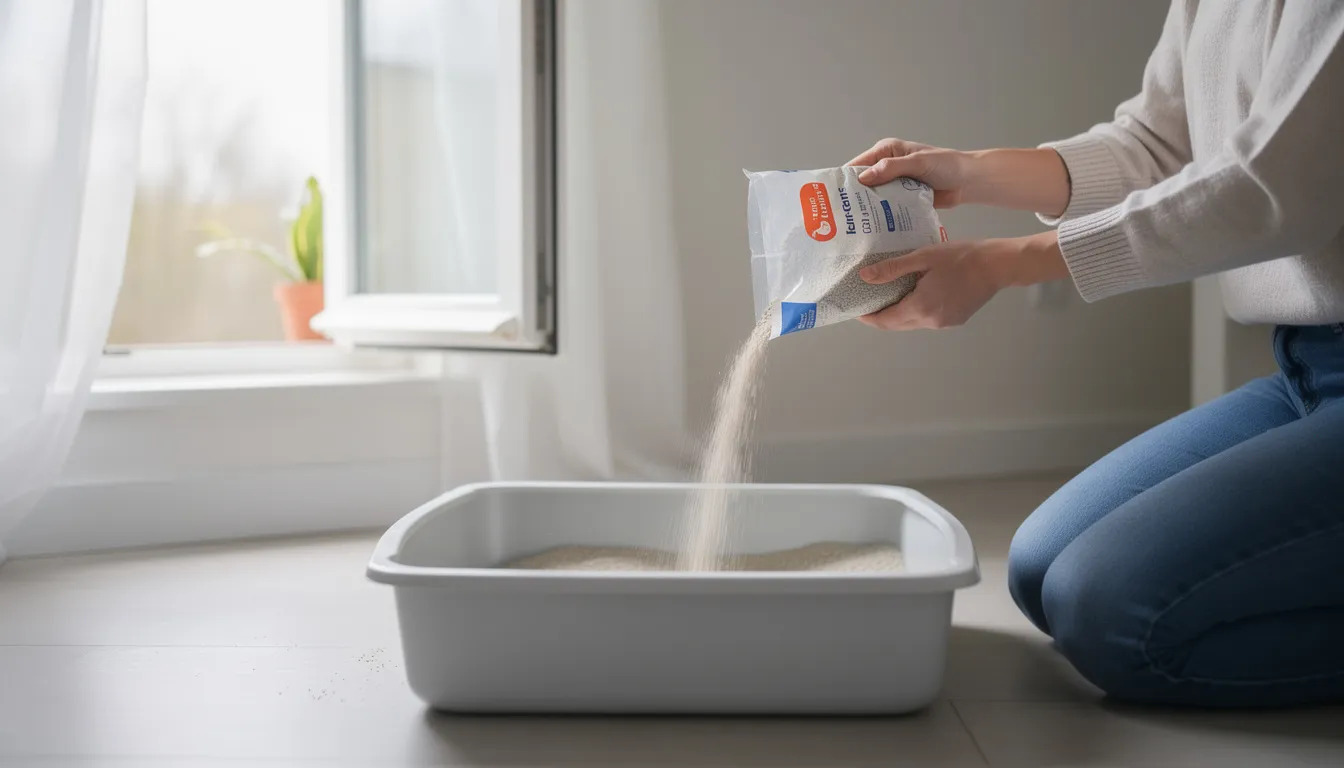
The primary cancer concern comes from inhaling crystalline silica dust found in many traditional clay litters. This isn’t about touching dry litter with your hands—it’s about what gets into your lungs when you pour and scoop.
Major health authorities like the International Agency for Research on Cancer (IARC), which evaluates cancer risks worldwide, and the Occupational Safety and Health Administration recognize respirable crystalline silica as a lung carcinogen. However, this classification comes largely from occupational studies in mining and construction, not specifically from research on pet owners cleaning their cats’ boxes.
Currently, there are no large, long-term studies proving that casual home use of cat litter alone substantially raises human cancer risk. That said, minimizing unnecessary dust exposure remains a prudent choice—especially if you have multiple cats, poor ventilation, or pre-existing respiratory conditions.
Now that we've clarified the general cancer risk, let's examine the different types of cat litter and their specific health implications.
Types of Cat Litter and Their Potential Human Health Risks
Not all litters are created equal when it comes to your health. Different litter types carry different profiles of dust, chemicals, and potential carcinogens. Some litters are specifically designed to trap or mask smell, but strong or artificial smells—especially from scented varieties—can contribute to respiratory discomfort for both humans and cats. Understanding these differences helps you make informed choices for your household.
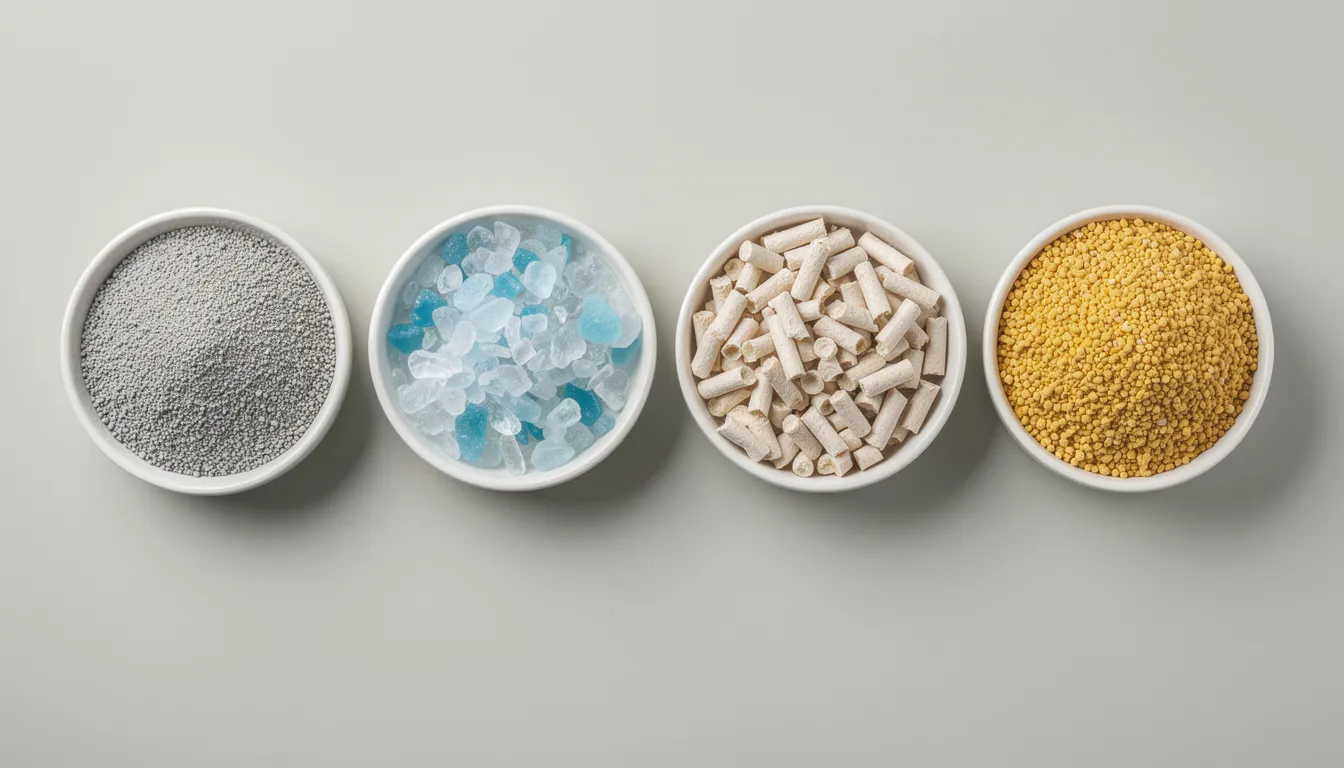
Here’s a breakdown of major litter categories and their associated concerns:
-
Sodium bentonite clay – Most common; contains crystalline silica; can be very dusty
-
Non-clay clumping litters – Variable composition; often plant-based with lower silica
-
Silica gel crystals – Made from amorphous silica; generally lower dust
-
Plant-based options – Corn, wheat, walnut shells, tofu, pea husk; typically silica-free
-
Recycled paper – Very low dust; nearly free of crystalline silica
-
Wood-based litters – Low silica but may produce wood dust; some contain aromatic oils
While this section focuses on human health risks, it’s worth noting that your cat’s health can also be affected by certain litter ingredients—and what affects your cat may also affect you through shared exposure in your environment.
Sodium Bentonite Clay
Clay litter, particularly the clumping variety made with sodium bentonite, became wildly popular starting in the late 20th century. It’s cheap, widely available, and forms hard clumps when wet—making it easy to scoop out waste and keep the box relatively fresh.
The clumping magic happens because sodium bentonite absorbs moisture and expands significantly. This same property, however, means the clay can generate very fine dust particles during pouring and scooping—the kind that float in the air and enter your lungs.
The problem is crystalline silica content. Conventional clay mining and processing can leave respirable crystalline silica in the finished litter, especially in cheap, low-quality products. This isn’t something you can see with the naked eye, but it becomes airborne whenever you disturb the litter.
IARC classifies inhaled crystalline silica from occupational exposure as a Group 1 carcinogen (meaning there is sufficient evidence it can cause cancer in humans) linked to lung cancer. While home exposure is lower than what miners or construction workers face, using dusty clay litters in poorly ventilated spaces over many years could accumulate meaningful exposure—particularly for people with multiple litter boxes.
Beyond cancer concerns, clay litter dust can cause non-cancer health issues including chronic bronchitis, aggravated asthma, persistent coughing, and eye or skin irritation in sensitive individuals. These effects are more common and more immediate than cancer risk.
Non-clay Clumping Litters
Non-clay clumping litters are made from a variety of materials, often plant-based, and typically have lower silica content. These litters may use ingredients like corn, wheat, or other natural fibers to achieve clumping. While they generally produce less dust than clay-based options, some users may still experience allergies or sensitivities depending on the specific ingredients.
Silica Gel Crystals
Silica crystal litters look dramatically different from clay—they’re made from amorphous silica gel beads or granules that absorb moisture and trap odors. Here’s the critical distinction: amorphous silica is chemically different from crystalline silica.
Amorphous silica is generally considered non-carcinogenic and less hazardous than crystalline forms. This makes silica gel crystals a potentially safer option for people concerned about silica dust exposure from clay litters.
Reputable brands specifically market low dust or “99% dust free” silica gel litters. These formulations can substantially reduce inhalation exposure compared with cheap clay litters that generate visible clouds when poured.
The trade-offs for users include:
-
Good odor control and moisture absorption
-
Higher cost per bag than basic clay litters
-
Environmental concerns from mining and non-biodegradability
-
Some cats dislike the texture on their paws
Even with crystal litters, sensitive users should still pour slowly, ventilate well, and avoid direct inhalation of any visible dust. Just because a product is safer doesn’t mean it’s completely risk-free.
Plant-based Options
Natural cat litters made from plant materials have grown increasingly popular as lower-silica alternatives. These products aim to reduce dust and environmental impact compared with strip-mined clay.
Common plant-based ingredients include:
-
Whole-kernel or ground corn
-
Wheat granules
-
Ground walnut shells
-
Pea husk fiber
-
Tofu and soybean fiber formulations
While these litters largely eliminate crystalline silica as a main component, they still produce organic dust that can irritate airways or trigger allergies. People with grain or nut sensitivities should be cautious—corn-based litter won’t help you if you’re allergic to corn.
Some plant-based brands are tested for heavy metals like lead, cadmium, and arsenic and advertise being free of these contaminants. This is a plus for human safety, especially in households with children who might come into contact with litter.
One thing to watch for: added fragrances or unclear “deodorizing beads” in certain tofu litter or plant-based products can undermine the safety benefits by introducing irritant chemicals. Stick with unscented versions when possible.
Recycled Paper
Recycled paper pellet litters represent one of the lowest-dust options available. They’re often recommended by veterinarians for cats recovering from surgery or humans with respiratory issues. Paper litters are nearly free of crystalline silica and typically come unscented.
Wood-based Litters
Wood-based litters present a more complex picture. They can release wood dust—especially products made from pine, cedar, or other softwoods. Wood dust itself is classified as a carcinogen in some occupational settings like sawmills at high exposures.
For typical household use, wood litter exposure is far below industrial levels. However, wood dust can still irritate airways or cause allergic reactions in susceptible people. Some individuals are particularly sensitive to the natural aromatic oils in softwoods.
If family members have asthma or chemical sensitivities, look for:
-
Kiln-dried wood litters (reduces aromatic compounds)
-
Dust-reduced formulations
-
Products marketed as hypoallergenic
-
Paper litters as an alternative to wood
Now that we've covered the different types of cat litter and their potential risks, let's look at how these risks could contribute to cancer in humans.
How Could Cat Litter Contribute to Cancer Risk in Humans?
Cancer risk from any environmental exposure relates to chronic exposure over years, not occasional contact. Cleaning your cat’s box once doesn’t give you cancer any more than walking past a smoker once gives you lung disease. The concern is cumulative exposure over time.
Crystalline Silica Dust and Lung Cancer
The specific mechanisms that could theoretically increase cancer risk from cat litter include:
-
Inhalation of respirable crystalline silica particles – These particles are small enough to bypass your body’s natural defenses and reach deep into lung tissue
Respirable crystalline silica particles are small enough—less than 10 micrometers—to penetrate deep into the lungs and accumulate over time. In industrial settings, this accumulation leads to scarring called silicosis and increases lung cancer risk. These are well-documented occupational health concerns.
Some cat litters, especially cheaper dusty clay litters, can release measurable crystalline silica dust when poured or when cats scratch vigorously in the box. You might notice this as a visible cloud or a fine film settling on surfaces near the litter area.
The difference in exposure matters enormously. Short bursts of exposure during daily scooping are not comparable to an eight-hour workday in a mine or quarry. However, repeated exposures over many years in a poorly ventilated space could become significant—particularly for households with multiple litter boxes or many cats.
A toxicological evaluation from Tox Strategies found that potential silica exposure from typical cat litter use over a pet’s lifetime is well below average ambient silica levels measured across the United States. Their analysis determined that estimated potential exposures during cat litter scooping and replenishing tasks are “considerably lower than recorded ambient levels measured across the U.S., which have not been linked to adverse health outcomes.”
That said, there’s limited direct epidemiological evidence linking household cat litter use alone to higher lung cancer rates. The prudent approach is to minimize silica dust exposure consistent with broader occupational safety standards—especially if you’re already in a higher-risk category.
Other Potentially Harmful Components
Other mechanisms that could contribute to cancer risk include:
-
Prolonged inflammation – Repeated irritation of lung tissue can lead to cellular changes over time
-
Heavy metal exposure – Small amounts of lead or other metals in some clay products
-
Wood dust inhalation – For those using wood-based litters in dusty conditions
Beyond crystalline silica, some clay litters have been found in independent testing to contain low levels of heavy metals like lead. These typically aren’t at acutely toxic doses for humans under normal use, but chronic exposure to lead and other metals is more concerning for certain populations.
Households with children or pregnant people may prefer litters that are certified free of harmful metals. Some manufacturers now provide third-party testing results showing their products are below detection limits for lead, cadmium, and arsenic.
Wood dust in wood-based litters is another potential concern at high occupational exposures. The International Agency for Research on Cancer includes wood dust among its Group 1 carcinogens based on studies of furniture makers and sawmill workers. Household levels are usually much lower but can still cause respiratory irritation or allergies.
Scented litter presents its own issues. Synthetic fragrances and deodorizing chemicals can trigger:
-
Headaches and migraines
-
Asthma attacks
-
Dermatitis and skin rashes
-
Sinus irritation
If you suspect fragrance sensitivity, read ingredient lists carefully and test unscented, low-chemical formulations. Many natural ingredients used for odor control—like baking soda or activated charcoal—are less likely to cause reactions than synthetic perfumes.
Now that we've explored the cancer risks, let's examine the more common non-cancer health issues associated with cat litter.
Non-Cancer Health Issues from Cat Litter Dust and Chemicals
While cancer gets the scary headlines, the more common day-to-day health problems from cat litter involve respiratory irritation, allergies, and infections. These issues are more likely to affect you than cancer and deserve attention. Certain types of litter, especially those containing sodium bentonite or crystalline silica, have also been linked to health issues in cats such as causing dehydration and, in some cases, kidney problems.
Inhaled dust, volatile chemicals, and contact with contaminated surfaces can affect your skin, eyes, nose, and lungs—especially if you have pre-existing conditions. Watch for symptoms like:
-
Chronic cough or throat clearing
-
Wheezing or shortness of breath
-
Sinus irritation and congestion
-
Itchy, irritated skin
-
Red, watery eyes
These symptoms might appear only when you’re near the litter box or persist throughout the day if you’re sensitized. Toxoplasmosis and other pathogens in cat feces represent a separate category of infection risk distinct from dust and chemical exposure.
Respiratory Irritation and Asthma
Fine dust from clay, plant-based, or wood litters can irritate your airways, causing sore throat, coughing, sneezing, or chest tightness after cleaning the box. For most people, this is temporary and resolves once the dust settles.
People with asthma, COPD, or chronic sinusitis are especially prone to symptom flare-ups when exposed to airborne irritants like litter dust and fragrances. Even someone without diagnosed respiratory disease can develop sensitivity over time with repeated exposure.
Practical steps to reduce respiratory irritation:
-
Use low dust or dust free litter products
-
Pour gently to reduce airborne plumes
-
Maintain good ventilation during cleaning (open windows, run exhaust fans)
-
Consider wearing a mask if symptoms persist
-
Keep the litter box away from bedrooms and living areas
If you regularly experience shortness of breath or wheezing around the litter box, discuss this pattern with a healthcare professional. Switching litter types often quickly reduces these respiratory symptoms if the litter is indeed the trigger.
Allergic Reactions and Skin Problems
Beyond respiratory issues, some people develop allergic reactions to specific litter ingredients. Corn, wheat, walnut shells, wood resins, and synthetic fragrances can all act as allergens or skin irritants.
Common signs of litter-related allergies include:
-
Itchy or red skin on hands after scooping
-
Hives where dust settles on exposed skin
-
Red, watery eyes when near the litter box
-
Sneezing or runny nose triggered by litter contact
Simple protective measures help most people:
-
Wear disposable or reusable gloves when scooping
-
Wash hands thoroughly with soap after handling litter
-
Switch to hypoallergenic, unscented litters
-
Keep the area around the box clean of scattered litter
Persistent or widespread skin reactions warrant medical evaluation. You may have an underlying allergy requiring formal testing or treatment beyond simply changing litter brands.
Keep children away from unscooped boxes and discourage them from playing with clean litter. Kids may be tempted to treat the sandbox-like texture as a toy, but ingestion or skin contact can cause unnecessary exposure and potentially harmful effects.
Infectious Risks: Toxoplasmosis and Other Pathogens
The main infectious concern with cat litter isn’t dust—it’s Toxoplasma gondii, a parasite that can be present in cat feces and can cause toxoplasmosis in humans. This is a distinct health issue from chemical or dust-related cancer risk.
Toxoplasmosis is especially concerning for:
-
Pregnant people – Risk of congenital infection affecting the fetus
-
Immunocompromised individuals – Risk of severe disease including brain involvement
Research suggests between 30 and 50 percent of the global human population carries antibodies to T. gondii, indicating previous exposure. The CDC estimates 60 million Americans are infected, most without knowing it.
Interestingly, a January 2025 study published in the International Journal of Cancer found an association between T. gondii exposure and glioma development—the most common type of brain cancer. The research examined antibody levels in blood samples collected years before cancer diagnosis. While this doesn’t prove causation, it suggests another reason to minimize exposure.
Simple hygiene practices reduce infection risk:
-
Scoop daily (T. gondii oocysts take 1-5 days to become infectious)
-
Wear gloves when handling litter
-
Wash hands thoroughly after any contact
-
Avoid litter box duty during pregnancy if possible
-
Keep cats indoors and feed them cooked or commercial diets
Now that we've discussed non-cancer health issues, let's explore which cat litters are safer for humans concerned about cancer.
Which Cat Litters Are Safer for Humans Concerned About Cancer?
If you’re looking to reduce potential long-term exposure to known or suspected carcinogens, some litter types are better choices than others. “Safer” doesn’t mean “risk-free,” but it means minimizing crystalline silica, heavy metals, wood dust, and harsh fragrances.
Categories generally considered lower risk for human cancer concerns include:
-
High-quality low-silica clay (look for “99% dust-free” claims)
-
Silica gel crystals (amorphous silica, not crystalline)
-
Plant-based litters tested for heavy metals
-
Recycled paper options
When choosing a litter, balance safety with your cat’s preferences, cost, odor control, and environmental impact. You may need to try several types to find one that works for both you and your pet.
Features to Look For in Lower-Risk Litters
When shopping for safer litter, check packaging and manufacturer websites for these key features:
-
Low-dust or 99% dust-free – Reduces airborne particles during use
-
Silica-free – Important for plant or paper litters
-
Fragrance-free or unscented – Eliminates synthetic perfume chemicals
-
Heavy metal tested – Some brands publish results for lead, cadmium, arsenic
-
Non-toxic natural ingredients – Especially important for households with children
Unscented formulas deserve special emphasis. Synthetic fragrance chemicals are among the most common triggers for respiratory and skin irritation. If you need odor control, look for naturally fresh approaches using baking soda or activated charcoal.
Transparency matters. Reputable companies publish third-party test results or safety certifications. Be more cautious with niche plant-based or imported tofu litter products that don’t provide clear ingredient information.
When switching litter types, do it gradually. Mix old and new litter over about a week to help cats adapt without stress. A cat that rejects the new litter may start avoiding the box entirely—creating bigger problems than the dust you’re trying to eliminate.
Pros and Cons of Popular “Safer” Litter Types
|
Litter Type |
Pros |
Cons |
|---|---|---|
|
Corn-based |
Low silica, generally low dust, biodegradable, sometimes flushable |
Weaker odor control, higher cost, potential corn allergies, may attract insects in humid climates |
|
Wheat-based |
Good clumping, odor-neutralizing enzymes, low silica, very low dust |
Grain allergies possible, risk of pantry moth infestations if stored improperly |
|
Silica gel crystals |
Amorphous silica (not crystalline), strong odor control, lightweight, long-lasting, often 99% dust free |
Non-biodegradable, higher price, crystals may track outside box |
|
Recycled paper |
Very low dust, fragrance-free options available, ideal for sensitive users |
Weaker clumping, requires more frequent full changes, less effective odor control for many cats |
|
Tofu and pea fiber |
Flushable, biodegradable, soft texture, typically low dust |
Variable ingredient transparency, mixed odor control reviews, among the most expensive options |
Each type represents a compromise. The “best” choice depends on your specific concerns, your cat’s preferences, and practical factors like budget and availability in your area.
Now that you know which litters are safer, let's discuss practical steps to reduce your health risks when using cat litter.
How to Reduce Your Health Risks When Using Cat Litter
Regardless of which litter type you currently use, simple habit changes can significantly reduce your exposure to potential harmful substances. Combining smart product choices with environmental controls gives you the biggest impact.
These strategies help reduce both potential cancer-related exposures and more common issues like allergies and respiratory irritation. Most can be implemented immediately with minimal cost or effort.
Best Practices for Scooping and Cleaning
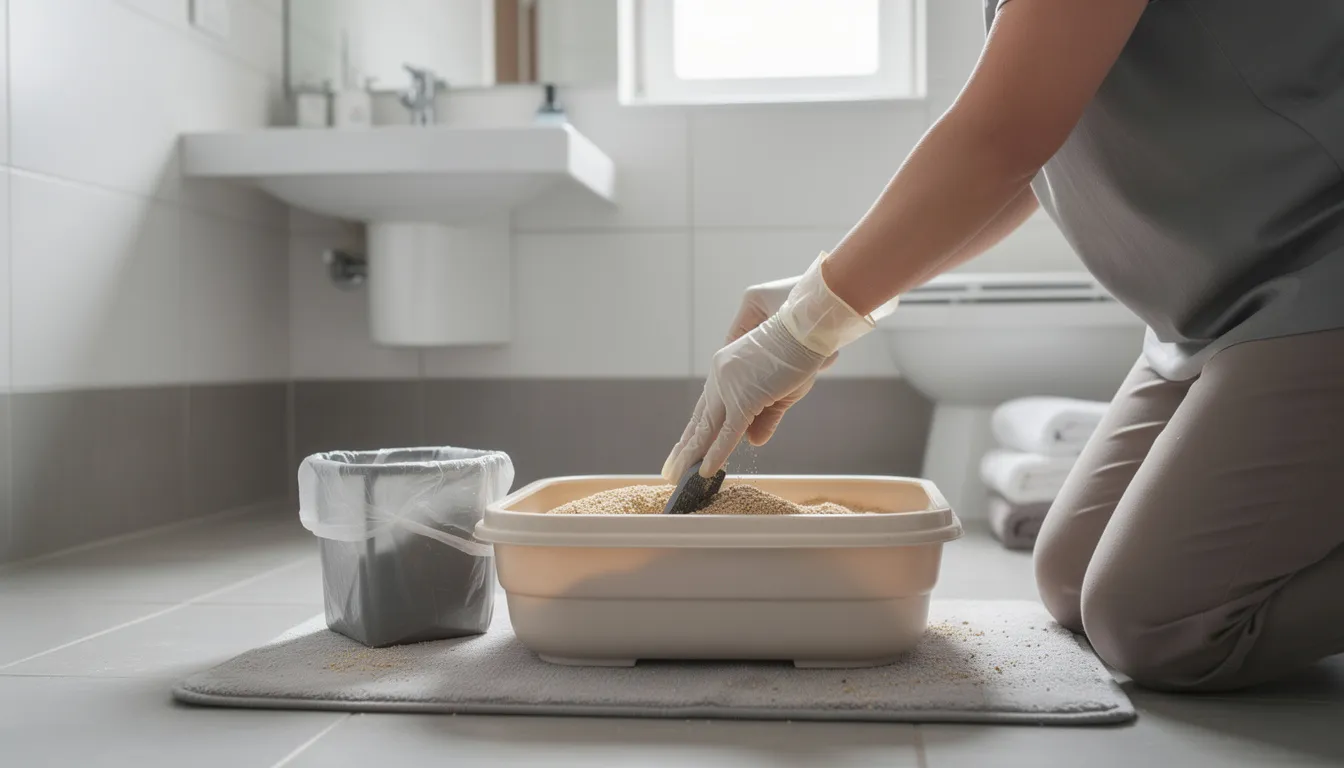
How you handle litter matters as much as which litter you choose. Follow these practices to minimize dust exposure:
When adding new litter:
-
Pour slowly, keeping the bag opening close to the box surface
-
Avoid shaking or tipping bags vigorously
-
Consider wearing a mask during this dustiest moment
Daily maintenance:
-
Scoop at least once daily to reduce ammonia buildup
-
Use a scooper with a longer handle to keep your face farther from dust
-
Avoid leaning directly over the box while scraping
Deep cleaning:
-
Do full litter changes every 2-4 weeks depending on litter type and number of cats
-
Wash the box with mild detergent during changes
-
Let the box dry completely before adding fresh litter
Location matters:
-
Place boxes in well-ventilated areas
-
Avoid small, unventilated closets or tiny bathrooms without exhaust fans
-
Briefly open windows or run exhaust fans while cleaning
People with existing lung disease, severe allergies, or who are pregnant may want to delegate litter duty entirely or consistently use masks and gloves.
Protective Gear and Hygiene Habits
For those who want extra protection—or who have noticed symptoms when handling litter—personal protective equipment helps.
Gloves:
-
Wear disposable gloves or dedicated rubber gloves when scooping
-
Especially important for people with cuts on hands, eczema, pregnancy, or compromised immunity
-
Replace disposable gloves after each use; wash reusable ones regularly
Masks:
-
A simple disposable or reusable respirator (N95 or similar) helps those who notice coughing or throat irritation
-
Most beneficial during pouring and deep cleaning
-
Not necessary for everyone, but helpful for sensitive individuals
Hygiene:
-
Wash hands with soap immediately after any litter box contact
-
Avoid touching your face or eating during cleaning
-
Keep food preparation areas completely separate from litter storage
Waste disposal:
-
Use a sealed trash container or tie off waste bags tightly
-
Reduces airborne dust and odors after scooping
-
Consider double-bagging if odor is a concern
Keep children away from litter areas and never let them play in clean litter. Even non-toxic products aren’t meant for human contact or ingestion.
When to Talk to a Doctor About Litter-Related Health Concerns
Certain symptoms warrant professional medical evaluation rather than just switching litter brands:
-
Persistent cough lasting more than a few weeks
-
Wheezing or chest tightness
-
Chronic sinus irritation not explained by other causes
-
Unexplained shortness of breath
-
Recurrent skin rashes on hands after litter contact
When seeing your doctor, mention:
-
How often you handle cat litter and for how long
-
What type you use (clay, plant-based, wood, silica)
-
Whether symptoms improve when you’re away from home
-
How many cats and litter boxes you have
People with long-term heavy exposure—multi-cat households with several boxes in small spaces, professional groomers, shelter workers—should discuss potential occupational-type risks with their clinician. This is especially important for smokers, older adults, and anyone with pre-existing lung disease.
A doctor or occupational health specialist can determine if further testing like lung function tests or imaging is appropriate based on your symptoms and exposure history. In rare cases, chronic exposure has led to documented lung disease—including one reported case of a woman with sarcoid-like lung disease after 18 years of exposure to bentonite cat litter while caring for nine cats. In severe cases, medical intervention may be necessary.
Now that you know how to reduce your risks, let's address some frequently asked questions.
FAQ
Is it safe for pregnant women to clean a cat litter box?
Pregnancy adds two main concerns: avoiding toxoplasmosis infection and minimizing exposure to dust and chemicals. If possible, another household member should handle litter box duty during pregnancy to eliminate risk from Toxoplasma gondii in cat feces.
For those who must scoop, take these precautions:
-
Wear gloves and a mask
-
Use unscented, low-dust litter
-
Scoop daily before oocysts become infectious (1-5 days after being shed)
-
Wash hands thoroughly afterward
These measures address infection and general respiratory health rather than a proven pregnancy-specific cancer risk from litter. Discuss your specific circumstances with your obstetrician, especially if you have multiple cats or cats that hunt outdoors.
Can living in a small apartment with several cats increase my cancer risk from litter?
Multiple cats and boxes in a confined, poorly ventilated space can increase overall dust and ammonia exposure compared with a larger home. While direct evidence of increased cancer risk from that specific scenario is limited, it raises concern for chronic respiratory irritation and higher cumulative silica exposure if dusty clay litters are used.
Mitigation steps for small-space, multi-cat households:
-
Switch to minimal dust or silica-free litters
-
Use air purifiers with HEPA filters near litter areas
-
Open windows regularly for fresh air circulation
-
Clean more frequently to reduce dust accumulation
Monitor yourself for persistent cough, wheeze, or sinus issues and discuss them with a vet—or rather, your doctor—if they occur. Risk is influenced by both intensity (number of boxes, dustiness) and duration (many years of exposure).
Is flushing cat litter down the toilet safer for my health than throwing it away?
Flushing litter doesn’t reduce your personal exposure to dust—most exposure happens while pouring and scooping before disposal. The disposal method is more of an environmental and plumbing consideration than a personal health one.
Important considerations about flushing:
-
Some flushable corn based or tofu litters are septic-safe in certain regions
-
Flushing clay or crystal litters can damage plumbing and wastewater systems
-
Flushing infected feces may introduce Toxoplasma into waterways
-
Many municipalities advise against flushing pet waste for environmental reasons
Follow local regulations and manufacturer guidance. Focus on dust reduction during handling rather than relying on disposal method for safety. Double-bagging or sealing waste in a covered bin works well for controlling odor with trash disposal.
Does using an automatic self-cleaning litter box reduce my health risks?
Automatic litter boxes can reduce direct scooping and scraping, which may lower immediate dust exposure. However, these devices still use litter that generates dust when you fill or empty the reservoir.
Benefits of automatic boxes:
-
Less frequent hands-on contact with litter
-
Reduced time waste sits in the box (lower ammonia and bacteria)
-
More consistent cleaning schedule
Limitations:
-
Dust exposure during filling/emptying remains similar to manual boxes
-
Not a substitute for regular deep cleaning
-
Effectiveness depends on using appropriate litter type
Combine an automatic box with low-dust, unscented litter and good room ventilation for best results. These systems help with convenience and may reduce some exposure, but they’re not a complete solution for households with serious health concerns.
Should I be worried if I’ve used dusty clay litter for many years?
Many long-time cat owners have used traditional clay litter for decades without obvious health problems, so there’s no need for panic based solely on past use. However, concern about cumulative crystalline silica exposure is understandable.
If you have heavy past exposure and now notice chronic respiratory symptoms, discuss your history with a healthcare provider. Mention smoking status and any occupational exposures in addition to litter use.
The good news: it’s never too late to reduce ongoing risk. Steps you can take now:
-
Switch to low-dust or alternative litters
-
Improve ventilation around the litter box
-
Use masks and gloves for remaining clay products
In the absence of symptoms, past use alone doesn’t warrant drastic action or expensive medical testing. Being proactive about current and future habits is wise, and regular health check-ups remain important—especially for individuals with multiple risk factors for lung disease including age, smoking, occupational hazards, and significant litter dust exposure.
Cat’s Health and Cat Litter
The type of cat litter you choose doesn’t just impact your own health—it plays a crucial role in your cat’s well-being, too. Cats are particularly sensitive to the materials and dust present in their litter box, and certain types of litter can pose significant health risks.
Clumping litter, especially those containing sodium bentonite, is designed to make cleaning easier, but it can be problematic if ingested by curious cats or kittens. Ingesting clumping litter can lead to dehydration, digestive blockages, and in rare cases, even cancer. Additionally, the crystalline silica dust released by some clumping litters is a known carcinogen, posing carcinogenic risks not only to humans but also to cats who breathe in the fine particles while digging or covering their waste.
Scented litter, while effective at masking odors, can irritate a cat’s sensitive respiratory system. Prolonged exposure to artificial fragrances and chemicals may trigger allergic reactions, respiratory problems, or exacerbate existing health issues in cats, such as asthma.
Natural cat litters made from walnut shells, corn, tofu, or other plant-based materials are often marketed as safer alternatives. These options typically produce less crystalline silica dust and are less likely to cause respiratory diseases or allergic reactions. However, even natural litters can generate some dust, so it’s important to select low-dust or dust-free varieties to further reduce health risks.
Maintaining a clean litter box and ensuring proper ventilation in the area are essential steps in protecting your cat’s health. Regular cleaning helps prevent the buildup of dust and harmful particles, while good airflow minimizes the concentration of airborne irritants. By choosing the right litter and keeping the litter box environment as dust free as possible, you can help safeguard your cat from respiratory diseases, allergic reactions, and other health issues linked to litter dust and chemicals.
Conclusion
Choosing the right cat litter is about more than just convenience—it’s a decision that affects the health of both you and your cat. While certain types of cat litter, especially those containing crystalline silica or heavy fragrances, can pose health risks ranging from respiratory irritation to, in rare cases, cancer, the overall risk for most cat owners remains low with proper precautions.
Opting for dust free or low-dust litters, prioritizing natural cat litters made from safe, non-toxic ingredients, and maintaining a clean, well-ventilated litter box area are simple yet effective ways to minimize exposure to harmful particles and chemicals. Regular cleaning and good hygiene practices further reduce the risk of respiratory diseases and other health issues for both humans and household pets.
Ultimately, being informed and proactive about your litter choices allows you to create a safer, healthier environment for everyone in your home. With the right products and habits, you can enjoy the companionship of your cats while keeping health concerns at bay.
The Importance of a Clean Litter Box
Keeping a clean litter box is one of the most important steps cat owners can take to protect the health of both their cats and themselves. A dirty litter box isn’t just unpleasant—it can become a breeding ground for harmful bacteria, contribute to strong odors, and increase the risk of respiratory issues for everyone in the household. Cat litter dust, especially from traditional clay litters, often contains crystalline silica, a known carcinogen that can cause lung cancer and other respiratory diseases when inhaled over time.
To minimize these risks, it’s essential to choose a low dust or dust free litter. Natural cat litters made from materials like corn, wheat, or walnut shells are excellent options, as they typically produce less cat litter dust and fewer fine dust particles compared to clay litters. These natural alternatives are also less likely to contain sodium bentonite, a clumping agent that can cause dehydration and other health problems in cats if ingested.
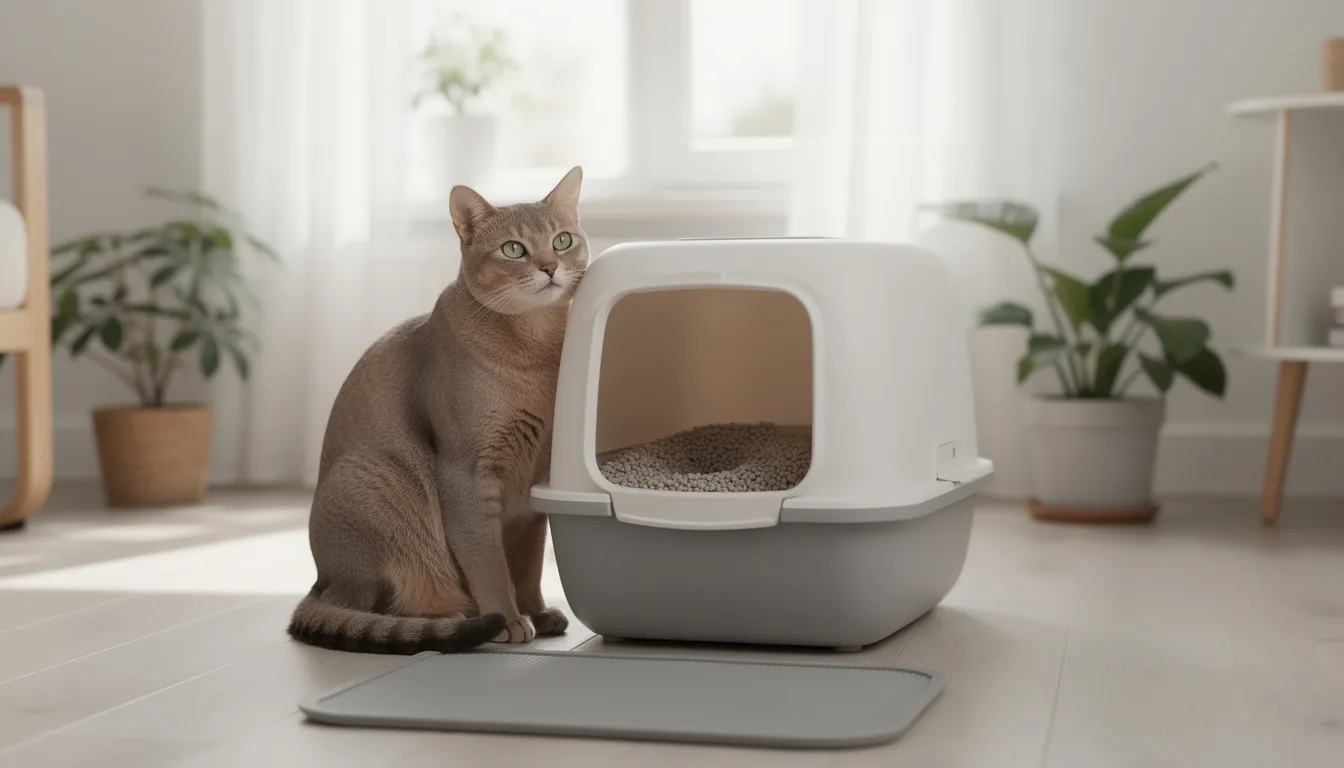
Regular cleaning is key to maintaining a healthy environment. Cat owners should scoop the litter box at least once a day to remove waste and prevent the buildup of odor-causing agents and bacteria. Completely changing the litter every 7-10 days helps keep the box fresh and reduces the amount of litter dust that can become airborne and be inhaled by both cats and humans. Using a litter box with good ventilation or a hood can further help contain dust and keep the surrounding area cleaner.
When selecting a litter, look for products that are non toxic and made from natural ingredients. Avoid scented litter, as artificial fragrances can trigger allergic reactions and respiratory issues in both cats and humans. Instead, opt for a naturally fresh, unscented litter that is gentle on your cat’s paws and respiratory system.
By prioritizing a clean litter box and choosing a safe, dust free litter, cat owners can significantly reduce the risk of respiratory diseases, allergic reactions, and other health issues linked to cat litter dust and chemicals. These simple habits not only support your cat’s health but also create a safer, more comfortable environment for everyone in your home. Regular maintenance and mindful litter choices are essential steps in preventing health problems and ensuring the wellbeing of both your cats and your family.
While the overall risk associated with cat litter is generally considered low, many cat owners still prefer to reduce unnecessary exposure to dust, odours, and airborne particles in their daily routines. Choosing litter with lower dust levels and better odour management can help create a cleaner and more comfortable indoor environment over time.
For households transitioning away from traditional clay litter, options like the Michu Mixed Tofu Cat Litter are designed to combine stronger clumping performance with reduced dust and improved odour control. Cat owners looking for a more plant-based alternative may also prefer the Michu NatureMix Plant Cat Litter, which blends tofu and cassava materials to create a softer, low-dust litter experience that is gentler for indoor spaces.
In multi-cat homes or households that need stronger odour absorption, products such as the Michu Premium Mixed Tofu Cat Litter Lite are designed to provide tighter clumping and enhanced odour management while maintaining a more comfortable litter box environment overall.
Combined with regular cleaning, good ventilation, and proper litter box hygiene, choosing lower-dust litter products may help reduce unnecessary irritants while supporting a healthier daily environment for both cats and humans.