


Key Takeaways
-
Feline parvovirus (also called feline panleukopenia or feline distemper) is a highly contagious, often fatal viral disease that poses the greatest threat to unvaccinated kittens aged 3–5 months.
-
Red-flag symptoms requiring same-day veterinary care include sudden vomiting, foul or bloody diarrhea, extreme lethargy, high fever, and complete refusal to eat or drink.
-
There is no direct cure for feline parvo—survival depends entirely on rapid, intensive supportive treatment delivered in a veterinary clinic.
-
Core vaccination starting at 6–8 weeks of age, strict hygiene protocols, and safe litter setups (such as easy-to-clean litter boxes and low-dust litter from Michu Australia) represent the best protection for cats and young kittens.
-
The virus can survive for months in the environment, making thorough disinfection and ongoing hygiene practices essential for any household with cats.
What Is Feline Parvovirus (Feline Panleukopenia)?
Feline parvovirus is a severe viral disease affecting domestic cats worldwide. You may hear it called by several names—feline panleukopenia, feline distemper, or feline infectious enteritis—but they all describe the same devastating illness that every pet owner should understand.
The virus responsible for this disease, commonly abbreviated as FPV, belongs to the family Parvoviridae. It shares a close relationship with canine parvovirus but has adapted specifically to infect cats and certain other carnivores. Unlike many viruses that break down quickly outside a host, FPV has a tough, non-enveloped structure that allows it to survive for weeks or even months in contaminated environments.
What makes feline parvovirus infection particularly dangerous is where the parvovirus attacks in the body. The virus specifically targets rapidly dividing healthy cells found in the cat’s intestines, bone marrow, and lymphoid tissue. Feline parvovirus attacks healthy cells in the cat's intestines, leading to severe gastrointestinal symptoms such as diarrhea and vomiting. This selective destruction leads to severe gut damage, collapse of the immune system, and a dramatic drop in white blood cells—a condition that gives the disease its scientific name, panleukopenia (meaning “all white cells reduced”).
While the feline panleukopenia virus can strike at any time of year, outbreaks are especially common in crowded or high-turnover environments. Animal shelters, rescue organisations, breeding catteries, and multi-cat households with poor vaccination coverage create ideal conditions for the virus to spread rapidly among susceptible populations.
One important clarification for worried pet parents: feline parvovirus is not the same as human stomach flu or any illness that affects people. This is a disease specific to cats and certain other carnivores—it poses no direct health risk to you or your family.
How Feline Parvo Spreads Between Cats
The feline panleukopenia virus ranks among the most contagious pathogens in feline medicine. Understanding how parvo in cats spreads is essential for protecting your pets and preventing outbreaks in your home. Kittens are most likely to catch parvo during the period between weaning and completing their vaccinations.
Primary Transmission Routes
Infected cats shed massive quantities of virus in their faeces, urine, vomit, and nasal secretions. The cat to cat passage of this virus happens remarkably easily, both through direct contact and indirect contamination of shared spaces and objects.
Common routes of infection include:
-
Direct contact: Grooming between cats, nose-to-nose greeting, shared sleeping spaces
-
Faecal-oral route: Contaminated litter trays, soiled bedding, stepping in infected faeces
-
Shared objects: Food bowls, water dishes, grooming tools, scratching posts
-
Human-mediated: Virus carried on hands, clothing, shoes after contact with sick cats
-
Environmental: Contaminated floors, cages, transport carriers, outdoor soil
|
Transmission Method |
Examples |
|---|---|
|
Direct contact |
Grooming between cats, nose-to-nose greeting, shared sleeping spaces |
|
Faecal-oral route |
Contaminated litter trays, soiled bedding, stepping in infected faeces |
|
Shared objects |
Food bowls, water dishes, grooming tools, scratching posts |
|
Human-mediated |
Virus carried on hands, clothing, shoes after contact with sick cats |
|
Environmental |
Contaminated floors, cages, transport carriers, outdoor soil |
Environmental Persistence
The virus’s ability to survive outside a host creates significant challenges for disease control. FPV can remain infectious on porous surfaces, floors, outdoor soil, and in dusty environments for extended periods—some sources indicate the virus may persist for years under the right conditions.
This environmental stability means that even thorough cleaning may not eliminate all risk. Healthy cats entering a previously contaminated space can become infected weeks or months after the original case has resolved.
Fleas and other insects can also mechanically transfer virus particles between cats, particularly in outdoor or shelter settings where multiple animals share space.
Maternal Transmission
Kittens face a unique risk from their own mothers. If a pregnant queen carries and sheds the virus before birth, her unborn kittens may become infected in the womb. This intrauterine infection can cause severe developmental problems, including cerebellar hypoplasia that affects coordination and movement.
Kittens can also contract the virus through mother’s milk if the queen is actively shedding during nursing, though maternal antibodies from vaccinated mothers typically provide some early protection. As kittens begin to wean and maternal antibodies decline, their immune systems weaken, making them more susceptible to parvovirus infection.
Reducing Environmental Contamination at Home
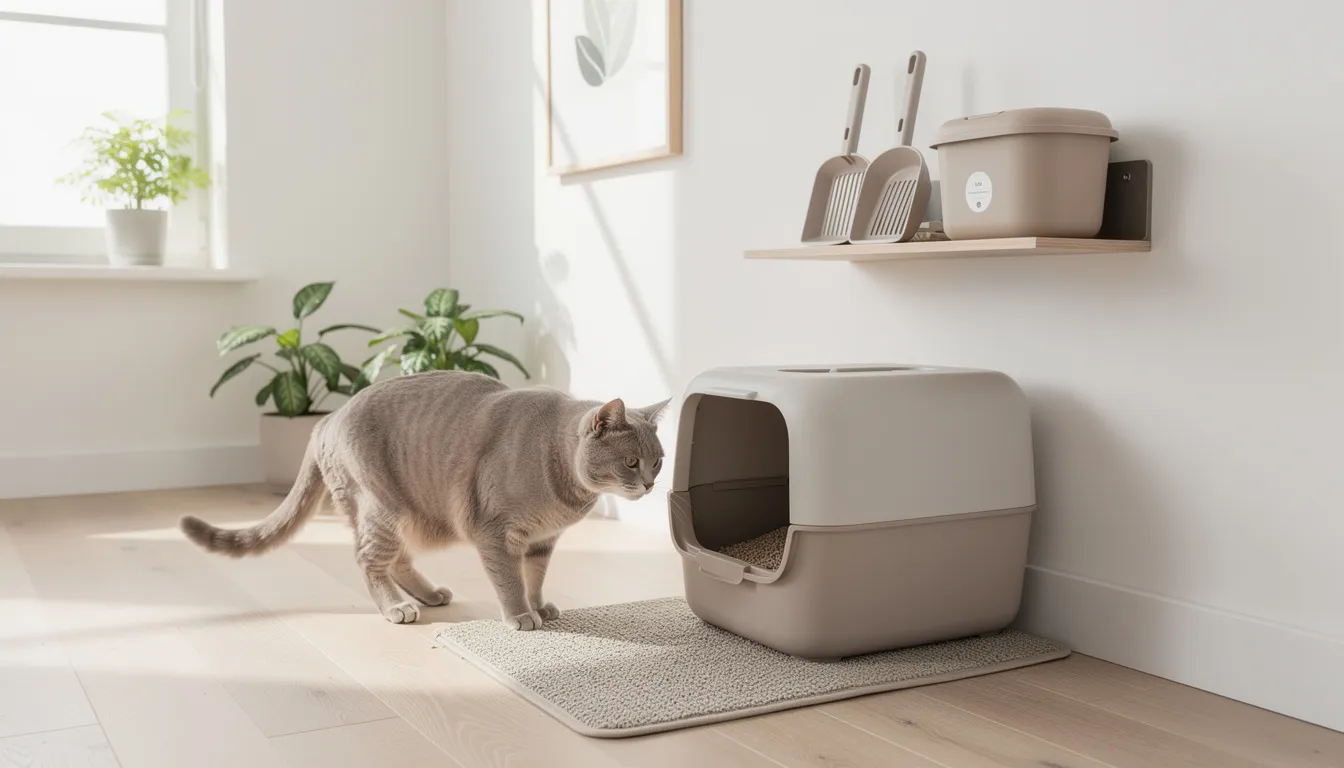
Smart choices about your home setup can significantly reduce contamination risks. Well-designed, easy-to-clean litter boxes help contain waste and make daily hygiene routines more effective. Low-tracking, low-dust litters—like Michu Australia’s tofu litter—minimise the spread of potentially contaminated particles throughout your home while supporting good hygiene habits.
Recommendations for reducing contamination at home include:
-
Use well-designed, easy-to-clean litter boxes to contain waste
-
Choose low-tracking, low-dust litters to minimize the spread of contaminated particles
-
Clean litter boxes daily and replace soiled litter frequently
-
Wash hands thoroughly after handling litter or cleaning boxes
-
Regularly disinfect surfaces and objects that come into contact with cats
Why Kittens and Young Cats Are at Highest Risk
Young kittens between 4 and 16 weeks of age face the greatest danger from feline parvovirus. Understanding why helps explain the critical importance of proper vaccination timing and protective measures during this vulnerable period. Feline parvovirus has historically been a leading cause of cat mortality, especially in shelters and among unvaccinated kittens.
The Immunity Gap
Newborn kittens receive protective antibodies through their mother’s colostrum—the nutrient-rich first milk produced after birth. These maternal antibodies provide a shield against infection during the first few weeks of life, typically declining with a half-life of around 10 days.
The problem emerges during what veterinarians call the “immunity gap.” This window—often occurring between 6 and 12 weeks of age—represents a particularly dangerous period:
-
Maternal antibodies have declined too low to fully protect against infection
-
Those same antibodies remain high enough to interfere with vaccine response
-
The kitten’s own immune system hasn’t yet developed adequate protection
This gap explains why kitten vaccination schedules require multiple doses over several weeks rather than a single shot.
High-Risk Environments for Young Cats
Kittens in pet shops, markets, animal shelters, and busy rescue organisations face amplified risks. These environments combine several danger factors:
-
High stress levels that suppress immune function
-
Crowded conditions that facilitate rapid virus spread
-
High environmental viral loads from turnover of many animals
-
Variable vaccination status among the population
Vulnerable Adult Populations
While young kittens suffer the highest mortality rates, older cats are not immune to danger. Unvaccinated cats of any age, senior cats with weakened immune systems, and cats with chronic disease or taking immunosuppressive medications all remain susceptible to severe disease.
Adult cats generally have more robust reserves to fight infection, but they can still develop life-threatening illness without proper vaccination protection.
Protecting Vulnerable Kittens
Breeders and foster carers should work closely with their vets to optimise vaccination timing for litters. Additional protective measures include:
-
Maintaining separate litter boxes for different age groups
-
Using washable, non-porous surfaces that can be properly disinfected
-
Replacing soiled litter frequently rather than just topping up
-
Limiting exposure to unvaccinated or unknown-status cats
-
Avoiding high-risk environments until the primary vaccine course is complete
Symptoms of Parvo in Cats You Should Never Ignore
Cat parvovirus symptoms typically appear 3–7 days after exposure and can progress from mild to life-threatening within hours. Recognising these signs early and seeking emergency veterinary care immediately gives your cat the best chance of survival.
Early Warning Signs
The first indications that something is wrong often appear subtle before escalating rapidly. Watch for:
-
Sudden lethargy or hiding behaviour in a previously active cat
-
Complete refusal to eat or drink (difficulty eating and difficulty drinking)
-
High fever (above 39.5°C/103°F) or conversely, low body temperature in advanced cases
-
Depression and withdrawal from normal activities
-
Hunched posture suggesting abdominal discomfort
In young kittens especially, a kitten that was playful in the morning may become critically ill by evening.
Digestive System Collapse
The hallmark signs of feline panleukopenia involve severe gastrointestinal distress:
|
Symptom |
What to Look For |
|---|---|
|
Vomiting |
Repeated episodes, often yellow or foamy, unrelated to eating |
|
Diarrhoea |
Watery, foul-smelling, may contain blood or appear tar-like |
|
Dehydration |
Sunken eyes, dry or tacky gums, skin that “tents” when pinched |
|
Abdominal pain |
Reluctance to be touched, crying when picked up, tense belly |
The usual symptoms of eat weight loss vomiting and diarrhea can cause dramatic fluid loss within hours.
Systemic Warning Signs
As the virus destroys bone marrow and suppresses immune function, other cats show signs of systemic collapse:
-
Pale or white gums indicating anemia from loss of red blood cells
-
Rapid breathing or elevated heart rate
-
Wobbliness or weakness from low blood pressure
-
Tremors or unsteady gait in neonates (suggesting cerebellar involvement)
When to Act
By the time vomiting and foul diarrhea become obvious, your kitten or cat is usually already critically ill. This is not a “wait and see” situation.
Vets urge pet parents to call their veterinarian or nearest emergency hospital immediately when these symptoms appear. Tell the clinic in advance that you suspect panleukopenia so staff can prepare isolation protocols and protect other patients from exposure.
Every hour of delay reduces survival chances. Early intervention with intravenous fluids and supportive care can mean the difference between life and death.
Diagnosis: How Vets Confirm Feline Parvovirus
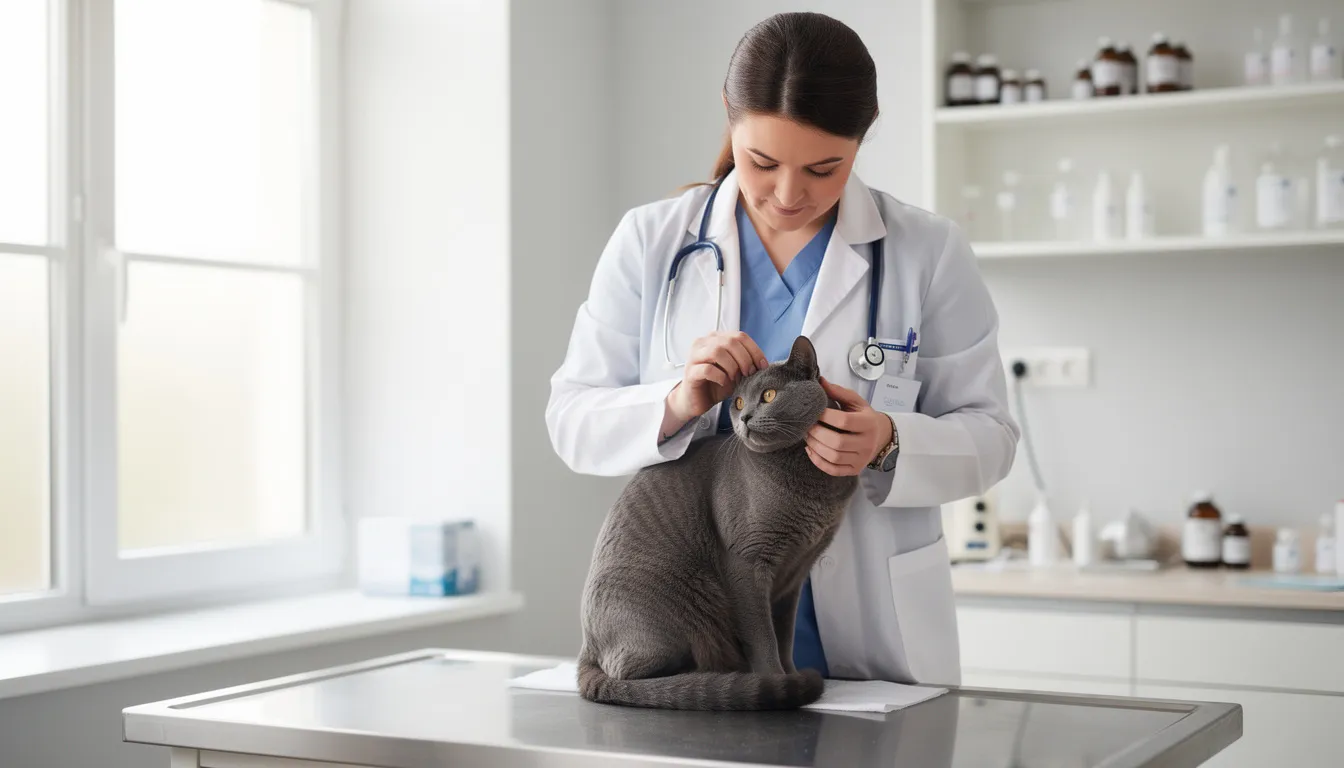
When a cat shows signs of severe illness consistent with panleukopenia, veterinarians use a combination of history, physical examination, and laboratory testing to confirm the diagnosis and guide treatment.
Clinical Assessment
Your vet will first evaluate key risk factors:
-
Age (young kittens at highest risk)
-
Vaccination status (cats vaccinated appropriately have low risk)
-
Exposure history (contact with sick cats, recent shelter adoption, pet shops visits)
-
Clinical presentation (severe vomiting, diarrhea, depression)
Rapid Antigen Testing
Most clinics use point-of-care faecal antigen tests that provide results within minutes. These tests detect FPV-specific proteins in stool samples, vomitus, or rectal swabs.
A positive result strongly supports the diagnosis, though false negatives can occur in the early stages of disease before significant virus shedding begins. Your vet may recommend retesting if clinical suspicion remains high despite an initial negative result.
Blood Tests and Cell Counts
Blood tests provide crucial information about disease severity. Characteristic findings include:
-
Severely reduced white blood cells (sometimes below 2 x 10⁹/L)
-
Low red blood cells and platelets (pancytopenia affecting blood cells and platelets)
-
Electrolyte imbalances from vomiting and diarrhea
-
Low blood protein levels
These results help veterinarians gauge how aggressively to treat and what supportive measures the cat needs most urgently.
Advanced Laboratory Testing
For definitive confirmation, PCR testing at a diagnostic laboratory can detect very small amounts of viral DNA in faeces or blood. This testing is more sensitive than in-clinic tests but takes longer to return results—typically 24-48 hours.
One important consideration: recently vaccinated cats may produce positive test results from vaccine virus shedding, particularly with PCR testing. Vets interpret results alongside clinical signs and vaccine history to distinguish true infection from vaccine-related positives.
Imaging Studies
Abdominal ultrasound may reveal changes in the small intestine consistent with viral enteritis. However, imaging is generally used to rule out other causes of severe vomiting—such as foreign body obstruction or intussusception—rather than to definitively diagnose FPV.
Treatment for Feline Parvo: What to Expect
There is no antiviral medication that directly kills feline parvovirus. Treatment relies entirely on intensive supportive care designed to keep your cat alive while their immune system fights off the infection. Early and intensive intervention greatly increases the chances that a cat survive feline parvovirus infection.
Hospital Care Essentials
Sick cats require immediate hospitalisation in an isolation ward to receive aggressive treatment and prevent transmission to other cats. Standard care includes:
Fluid Therapy Intravenous or intraosseous fluids form the cornerstone of treatment. These replace massive fluid losses from vomiting and diarrhea, correct electrolyte imbalances, and maintain blood pressure.
Medication Support
|
Treatment Type |
Purpose |
|---|---|
|
Anti-nausea drugs |
Control vomiting to reduce fluid loss |
|
Pain relief |
Manage abdominal discomfort |
|
Antibiotics |
Prevent secondary bacterial infection from gut bacteria crossing damaged intestinal walls |
|
Vitamin supplementation |
Support recovery, particularly B vitamins |
Veterinarians prescribe antibiotics not to treat the virus itself, but to prevent secondary infections that occur when the damaged gut allows bacteria to enter the bloodstream. Without this protection, bacterial infections and sepsis become life-threatening complications.
Nutritional Support
Early enteral nutrition—small, frequent, easily digestible meals—plays an important role in gut healing. Once vomiting is controlled, veterinary staff introduce food gradually. In severe cases where oral feeding isn’t possible, nutritional support may be delivered through a feeding tube.
Critical Care Interventions
Young kittens and severely affected adult cats may require additional interventions:
-
Blood transfusions for life-threatening anemia
-
Plasma transfusions to replace lost proteins
-
Immune serum (passive immunization) in some cases
Survival Factors
Survival rates improve dramatically when treatment starts early and is maintained aggressively. Most veterinary clinics observe the highest risk of death in the first 3–4 days after admission. Cats that survive this critical window generally have good chances of full recovery.
Discharge and Home Care
If your cat is discharged while still potentially shedding virus, your vet will provide specific isolation instructions. These typically include:
-
Dedicated litter boxes separate from other cats
-
Washable bedding that can be laundered on hot cycles
-
Careful handling and disposal of waste
-
Hand hygiene after any contact
-
Restricted contact with unvaccinated cats for several weeks
Supportive treatments at home continue until your cat regains strength and appetite.
Preventing Feline Parvovirus in Your Home
Prevention relies on three fundamental pillars: vaccination, biosecurity through hygiene and isolation, and robust everyday care including safe litter and housing choices.
For vaccination, kittens typically receive an initial series of shots starting at 6-8 weeks of age, with boosters every 3-4 weeks until 16-20 weeks old, followed by an annual booster. A follow-up dose, or booster, is recommended after the initial vaccination series to ensure ongoing immunity against feline parvovirus.
Vaccination Schedules
Vaccination remains the most effective protection against feline parvovirus. The American Veterinary Medical Association and veterinary organisations worldwide classify FPV vaccination as a core requirement for all cats.
Standard Kitten Vaccination Schedule:
|
Age |
Action |
|---|---|
|
6-8 weeks of age |
First vaccination dose |
|
10-12 weeks of age |
Second dose |
|
14-16 weeks of age |
Third dose (essential to ensure protection after maternal antibody decline) |
|
12 months |
First annual booster |
|
Ongoing |
Adult boosters every 1-3 years per vet’s advice |
It is important to follow your vet's advice regarding the timing and frequency of booster vaccinations, as they can provide guidance tailored to your cat's specific needs.
Some situations require modified approaches. During outbreaks, kittens may be vaccinated as early as 4 weeks of age. Unvaccinated adult cats should receive two or three doses given 3-4 weeks apart, followed by regular booster shots.
A kitten vaccinated according to this schedule develops robust protection that typically lasts for years with appropriate boosters.
Protecting Unvaccinated Kittens
Until your kitten begins and completes their primary vaccine course, avoid high-risk locations:
-
Animal shelters and rescue facilities
-
Pet shops and markets
-
Cat shows and exhibitions
-
Boarding facilities
-
Outdoor roaming where contact with carrier cats or contaminated soil may occur
The first few weeks after adoption are critical—maintain strict isolation from unknown-status cats during this period.
Daily Hygiene Practices
Consistent hygiene routines significantly reduce environmental viral loads:
-
Remove soiled litter daily (or more frequently with multiple cats)
-
Clean vomit and faeces immediately using appropriate protective measures
-
Wash food and water bowls daily in hot water
-
Launder bedding regularly on hot cycles
-
Disinfect hard surfaces with veterinary-recommended bleach-based products
Smart Litter and Housing Choices
Your choice of litter setup directly impacts your ability to maintain hygiene. Features that support disease prevention include:
-
Covered or high-sided litter boxes that contain waste and reduce tracking
-
Low-dust litters that don’t spread contaminated particles through the air
-
Fast-clumping formulas that make complete waste removal easier
-
Non-porous materials that can be thoroughly disinfected
Michu Australia’s tofu litter and easy-clean litter boxes are designed with these principles in mind, helping cat families maintain healthier environments while keeping homes fresh and odour-free.
Quarantine Protocols
When bringing a new cat into your home:
-
Isolate the newcomer in a separate room for at least 10-14 days
-
Provide dedicated litter box, food bowls, and bedding
-
Wash hands between handling different cats
-
Ensure all resident cats are up-to-date on vaccines before introductions
Indoor Cats Need Protection Too
Even cats that live entirely indoors require core FPV vaccination. The virus can hitchhike into your home on shoes, clothing, or contaminated objects. A single unintentional exposure can have devastating consequences for unvaccinated indoor cats.
Living With or After a Parvo Case: Cleaning & Household Safety
The feline panleukopenia virus’s remarkable environmental resilience means households must take extraordinary care after a confirmed or suspected case. Proper decontamination protects other cats in your home and any future kittens you may adopt.
Immediate Steps After Diagnosis
When a cat in your household receives a panleukopenia diagnosis, several cats or even all your cats may have been exposed. Begin protective measures immediately:
-
Isolate infected cats completely from healthy cats
-
Designate specific clothing and shoes for handling sick animals
-
Establish strict hand-washing protocols before and after any contact
-
Monitor all exposed cats closely for early stages of illness
Environmental Decontamination
Not all household cleaners kill parvoviruses. Effective decontamination requires specific approaches:
What to Discard:
-
Heavily contaminated litter (bag and dispose of carefully)
-
Cardboard scratchers and boxes
-
Shredded or porous bedding that cannot be washed at high temperatures
-
Any items that cannot be thoroughly cleaned or disinfected
What to Clean:
-
Wash all textiles (bedding, blankets, towels) on the hottest cycle your machine allows
-
Scrub hard surfaces thoroughly to remove organic matter before applying disinfectant
-
Apply sodium hypochlorite (bleach) solutions at appropriate dilutions (typically 1:32 household bleach to water)
-
Alternatively, use veterinary-approved virucidal disinfectants
-
Follow label directions carefully for contact time—most require 10 minutes of wet contact
Managing Recovered Cats
If a cat can survive feline parvo, they may continue shedding virus in their faeces for several weeks during recovery. During this period:
-
Keep recovered cats strictly indoors
-
Maintain separation from unvaccinated cats
-
Use dedicated litter boxes and feeding equipment
-
Continue enhanced hygiene protocols
-
Follow up with your vet for guidance on when restrictions can be lifted
Before Adopting New Kittens
Households that have experienced a parvo outbreak should consult their vet before bringing in unvaccinated youngsters. Recommendations typically include:
-
Waiting several months after the last known case
-
Completing thorough environmental decontamination
-
Having the new kitten vaccinated before or immediately upon arrival
-
Maintaining isolation until the kitten’s vaccine series is complete
Carrier cats that have recovered can potentially expose newcomers, though this risk decreases over time.
Long-Term Prevention Investments
Investing in durable, non-porous litter boxes and washable, design-focused cat furniture makes deep cleaning more effective and less stressful. Products designed with easy maintenance in mind—like those offered by Michu Australia—support ongoing hygiene without sacrificing style or comfort.
How Michu Australia Supports Healthy, Hygienic Cat Care
Michu Australia is a Melbourne-founded, female-owned brand dedicated to stylish, sustainable cat care products that make daily health routines easier for cat families across Australia and the United States.
Early Detection Through Better Litter
Low-dust, fast-clumping tofu cat litter helps owners quickly spot changes in stool or urine consistency. When severe clinical signs like diarrhea or blood appear in the litter box, early detection allows faster veterinary intervention—critical for diseases like panleukopenia where hours matter.
The natural tofu-based formula offers high absorbency and excellent odour control while being gentle on sensitive paws and safe if accidentally ingested during grooming.
Designed for Easy Cleaning
Michu’s eco-friendly litters, litter boxes, and accessories prioritise easy scooping and thorough cleaning. When dealing with viral diseases that can die suddenly or persist in the environment, having equipment that supports proper hygiene practices protects both sick cats and healthy cats in your household.
Features like low-tracking formulas and well-designed box structures help keep pets safe by containing contamination and simplifying daily maintenance routines.
Supporting Overall Immune Health
Beyond litter solutions, Michu Australia’s cat trees and furniture are built to blend with modern interiors while using sustainable materials. Environmental enrichment and stress reduction support overall immune health—particularly important for cats with weakened immune systems or those recovering from illness.
When cats live in stimulating, comfortable environments, their immune systems function more effectively against both viral infections and other health challenges.
Building Your Cat Care Setup
Explore Michu Australia’s online store to discover products designed with both aesthetics and functionality in mind. Join the membership rewards program for savings on repeat purchases of litter and other essentials, and build a home setup that supports good hygiene as well as comfort for your cats.
Whether you’re a new pet owner welcoming your first kitten or an experienced cat parent managing a multi-cat household, the right products make maintaining a healthy environment significantly easier.
FAQ: Feline Parvovirus & Everyday Cat Care
Do indoor-only cats really need vaccination against feline parvovirus?
Yes, absolutely. Even cats that never set foot outdoors require vaccination against the feline panleukopenia virus. The virus is remarkably stable in the environment and can be carried indoors on your shoes, clothing, shopping bags, or any object that has contacted contaminated surfaces. A single exposure to virus particles tracked in from outside can infect an unvaccinated cat. Indoor-only cats may actually be more vulnerable because they haven’t developed any natural immunity through environmental exposure. Following your vet’s advice on core vaccinations protects your indoor cat from this preventable but potentially fatal disease.
How long should I wait before bringing a new kitten into a home that has had a parvo case?
The cautious approach recommended by most veterinary professionals involves waiting several months—often 3 to 6 months—after a confirmed case before introducing unvaccinated young kittens. Even with thorough disinfection, the virus’s extreme environmental stability means some risk may persist. Before bringing a new kitten home, complete rigorous decontamination of all surfaces, replace porous items that cannot be adequately disinfected, and consult your vet for specific guidance based on your situation. Any new kitten should ideally be vaccinated before arrival and kept in isolation until their primary vaccine series is complete, regardless of how much time has passed since the previous case.
Can dogs and cats give parvo to each other?
While canine parvoviral enteritis and feline panleukopenia are caused by closely related viruses, they are not identical. The traditional canine parvovirus strains primarily affect dogs, and the original feline parvovirus primarily affects cats. However, veterinary research has identified that certain canine parvovirus variants (specifically CPV-2a, CPV-2b, and CPV-2c) can infect cats and cause disease similar to feline panleukopenia. Interestingly, mink enteritis virus is also closely related to both. Current feline parvovirus vaccines appear to provide protection against these canine variants. This cross-species risk underscores why vaccination of each species in your household is essential—protecting your cat also helps protect against emerging viral variants.
When is it safe for a recovering cat to share litter boxes again with other cats?
Recovered cats can continue shedding virus in their faeces for several weeks after clinical signs resolve. The safest approach is to maintain separate litter boxes until your vet confirms that the risk of ongoing transmission is low—typically based on time elapsed since recovery and the vaccination status of other cats in the household. For multi-cat homes, maintaining multiple litter boxes permanently is good practice regardless of disease status. Easy-clean litter boxes like those supplied by Michu Australia make managing separate facilities less burdensome and help ensure each box receives proper daily cleaning. As published in j vet intern med and other veterinary journals, ongoing vigilance about hygiene supports the health of all cats in the household during the recovery period.
What should I do if I suspect my cat has been exposed to feline parvovirus but isn’t showing symptoms yet?
If you believe your cat has had contact with other cats carrying the virus or visited a contaminated environment, contact your veterinarian immediately even before symptoms appear. If your cat is already fully vaccinated and has received appropriate booster shots, the risk of developing severe disease is low, but monitoring is still advisable. For unvaccinated or incompletely vaccinated cats, your vet may recommend immediate vaccination to potentially provide some protection before the incubation period ends, along with close observation for early signs of illness over the following 7-14 days. Keep the potentially exposed cat separated from other unvaccinated cats and maintain enhanced hygiene. Early veterinary involvement gives you the best chance of catching any developing illness before it becomes critical, dramatically improving outcomes if treatment becomes necessary.