


Kittens are famous for their adorable purrs, but have you ever wondered how and why they make those soothing sounds? Whether you’re a new kitten parent, a lifelong cat lover, or simply curious about feline behavior, understanding the science and meaning behind kitten purring can help you build a stronger bond with your furry friend and recognize what your kitten is really trying to tell you. In this guide, we’ll explore how kittens purr, what their purrs mean, and how you can help your kitten feel safe and content enough to share those precious rumbles.
How Do Kittens Purr: Key Takeaways
-
Kittens begin purring at around 2–3 days old, creating that distinctive rumbling sound through rapid movements of the laryngeal muscles in their voice box as they breathe in and out.
-
Purring isn’t always a sign of happiness—kittens also purr when stressed, anxious, or in pain, so reading their body language alongside the sound is essential for understanding what they’re really telling you.
-
Research shows that most purr vibrations fall between 25–150 Hz, frequencies that scientists have linked to potential healing properties including bone density support, soft tissue repair, and pain reduction.
-
Purring serves as a critical form of communication between kittens and their mother during the first weeks of life, and later becomes a powerful bonding tool between your feline friend and you.
-
Creating a calm, comfortable environment with low-dust litter, cozy sleeping spots, and stable furniture helps kittens feel relaxed enough to share those precious purrs—something Michu Australia’s eco-friendly cat care essentials are designed to support.
Introduction to Cat Behavior
Understanding cat behavior is key to building a strong, trusting relationship with your feline friend. While cats purr is one of the most recognizable and endearing sounds in the animal world, it’s just one part of a much more complicated form of feline communication. Both adult cats and kittens use purring as a way to interact with their environment, their human companions, and other animals. However, a purring cat isn’t always expressing contentment—cats may also purr when experiencing stress, pain, or anxiety. That’s why it’s so important to pay attention to your cat’s body language and the context in which the purr occurs. By observing your cat’s behavior as a whole, you’ll gain deeper insight into what your cat is truly feeling, whether it’s happiness, discomfort, or a need for reassurance. Recognizing the subtle cues in your cat’s communication can help you respond appropriately and strengthen the bond you share.
Cat Purring Characteristics
When it comes to feline communication, few sounds are as iconic—or as mysterious—as the purring noise of a cat. While many people associate purring with a relaxed, contented cat curled up on a lap, the truth is that cats purr for reasons that are much more complicated than simple happiness. Purring is a sophisticated form of communication, used by both kittens and adult cats to interact with their environment, their feline friends, and the humans who care for them.
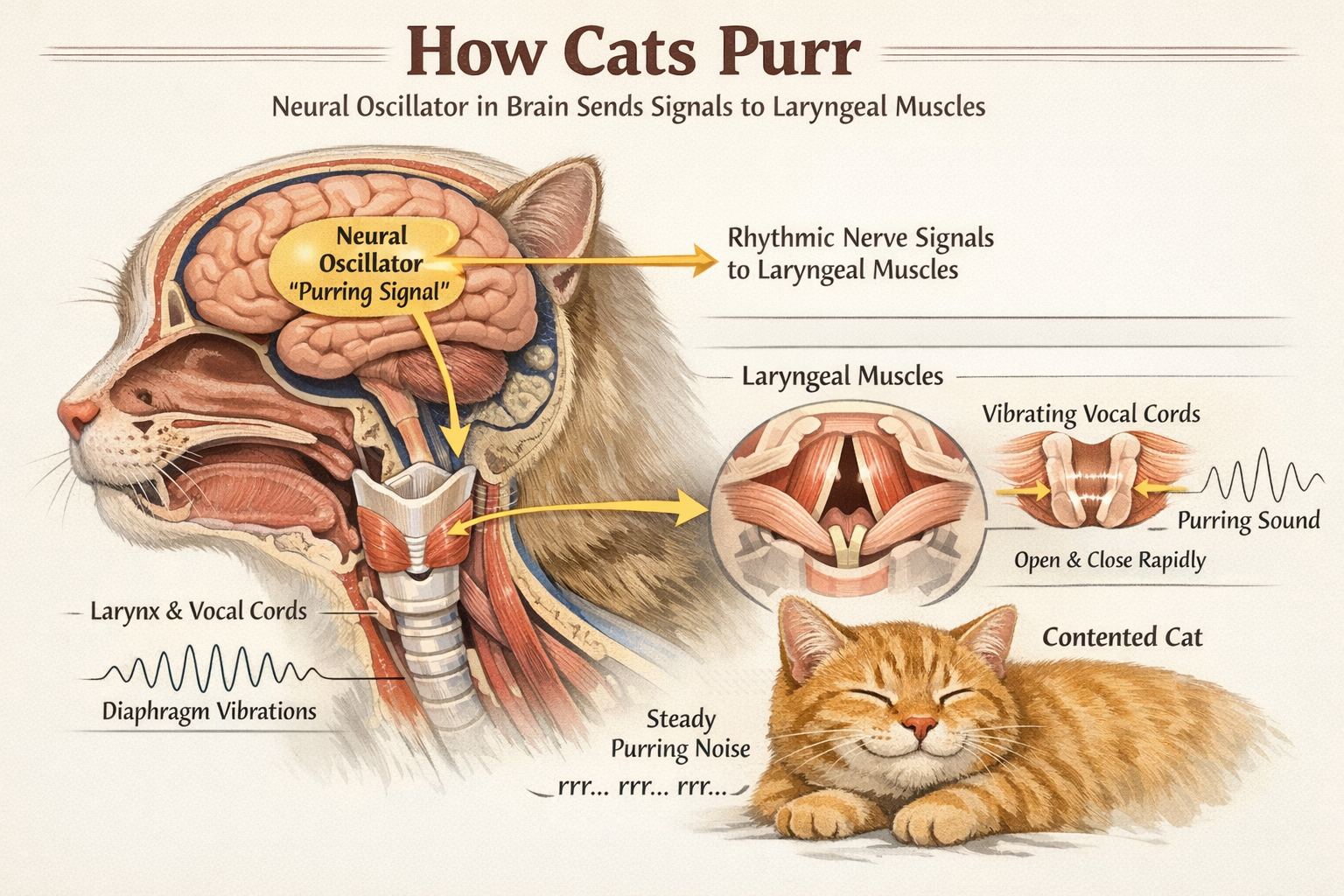
The magic of purring starts deep within the cat’s body. As a cat breathes, a neural oscillator in the cat’s brain sends rhythmic signals to the laryngeal muscles in the voice box. This neural oscillator is a unique internal mechanism within the cat's brain, responsible for producing the rhythmic firing that results in purring. These muscles rapidly open and close the glottis—the space between the vocal chords—causing the vocal chords to vibrate and produce that familiar, soothing sound. This unique mechanism is a hallmark of domestic cats and a few related species, setting them apart in the animal kingdom.
One of the most fascinating aspects of the purring cat is the average frequency of its purr, which typically falls between 25 and 150 Hz. Research has shown that these frequencies are not just pleasant to hear—they may also have healing properties. The vibrations created by purring can stimulate blood flow, reduce pain and inflammation, and even promote the healing of bones, muscles, and soft tissues. Some studies suggest that the frequency range of 25–50 Hz can encourage bone growth, while higher frequencies may benefit skin and tissue repair. This could help explain why cats often recover quickly from injuries and why many cats instinctively purr when they are in pain or under stress.
But purring is not just about physical healing. It’s also a vital part of feline communication. Kittens learn to purr within days of birth, using the sound as a way to connect with their mother and signal that they are safe and well. As a kitten grows, purring becomes a tool for social bonding, self-soothing, and even asking for attention or food. Adult cats continue to use purring in a variety of situations—when they’re being petted, when they’re anxious or frightened, or even during a visit to the veterinarian. The purring noise can contain a higher-frequency “cry” embedded within the low rumble, similar to the isolation cry of kittens, which humans are naturally attuned to respond to.
The zoological society and experts like veterinarian Gary Weitzman have highlighted the complexity of purring as a form of communication. It’s not just a sign of contentment, but a multi-layered behavior that reflects a cat’s emotional and physical state. Whether a cat is purring to reduce pain, to heal, or simply to express happiness, the sound is a window into the animal’s inner world.
In summary, the characteristics of cat purring are as intricate as they are intriguing. From the neural oscillator in the cat’s brain to the vibrations that ripple through bones and muscles, purring is a remarkable adaptation that serves both communication and healing. By paying attention to when and how cats purr, we can deepen our understanding of their behavior, strengthen our bond with our feline companions, and appreciate the remarkable biology that makes the purring cat such a beloved member of the animal world.
How Do Kittens Physically Purr? (Role of Vocal Cords)
So how do kittens purr exactly? The answer starts in the cat’s brain, where a unique neural oscillator—a cluster of specialized neurons located in the cat's brain—sends rhythmic electrical signals to the laryngeal muscles in the voice box. These muscles rapidly open and close the glottis (the space between the vocal cords) as the kitten breathes, creating that continuous, vibrating sound we all recognize.
Think of it like a tiny outboard motor running on autopilot. Unlike a meow, which is a short, deliberate vocalization, the purring noise happens continuously as the cat breathes both in and out. Purring occurs throughout the entire breath cycle, involving both inhalation and exhalation, and relies on the respiratory system to produce sound during every phase of breathing. The diaphragm maintains steady airflow, while the laryngeal muscles twitch at a controlled rate—typically between 25 to 150 vibrations per second.
The larynx (voice box) sits at the top of the trachea and houses the vocal chords. When those rhythmic brain signals arrive, the muscles controlling the vocal cords contract and relax rapidly. Each time the glottis opens and closes, air flowing through creates a small vibration. Stack hundreds of these vibrations per second together, and you get that soft, rumbling sound.
Recent research from the University of Vienna, led by voice scientist Christian Herbst, revealed something fascinating. When researchers pushed warm, humidified air through the larynges of deceased domestic cats—without any neural input or active muscle contractions—all eight specimens still produced purring sounds in the 25 to 30 Hz range. This suggests purring may be partly a passive aerodynamic behavior, similar to “vocal fry” in humans when we speak at very low frequencies.
What makes purring different from meowing? A meow is a short, one-off sound that requires active effort. The purr, by contrast, is continuous and low—a vibrating hum that persists throughout entire breathing cycles. Many cats can purr for minutes on end without apparent effort, while a prolonged meow would quickly tire them out.
When Do Kittens Start Purring?
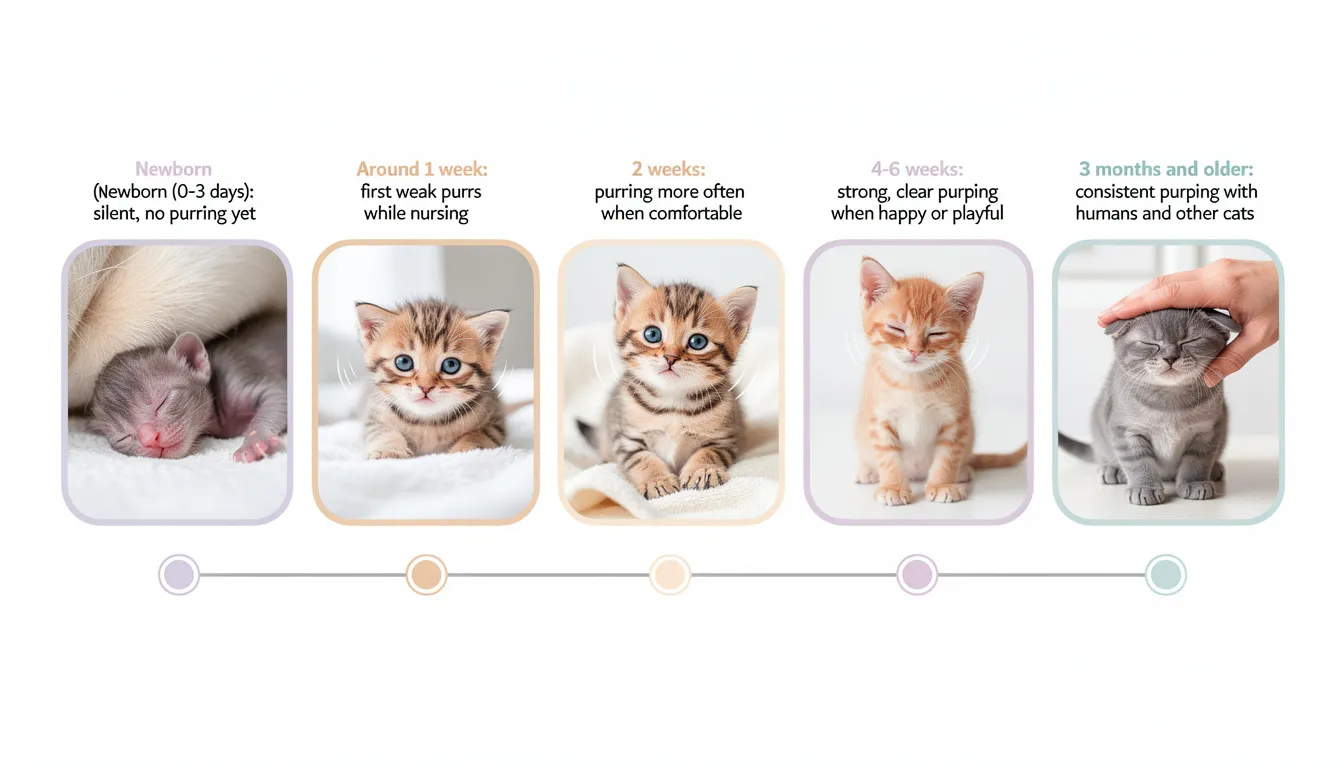
Most kittens begin to purr between 2–7 days after birth, when their eyes are still sealed shut and they rely entirely on touch, smell, and vibration to navigate their world. At this stage, the kitten can’t see their mother or hear her clearly, so purring becomes one of their earliest tools for feline communication.
Newborn kittens use purring primarily as an “I’m here and I’m okay” signal while nursing. The gentle vibration travels through the mother’s body, reassuring her that the kitten is feeding properly and maintaining contact. If a kitten becomes separated from the litter, purring (along with the isolation cry) helps guide the mother back to the nest.
Here’s how purring typically develops as a kitten grows:
|
Age |
Purring Development |
|---|---|
|
0–1 week |
First faint purrs during nursing, often barely audible |
|
2–4 weeks |
Stronger, more consistent purrs combined with kneading |
|
6–8 weeks |
Purring appears during play, grooming, and human interaction |
|
8–12 weeks |
Kittens learn which purrs get responses from humans and adjust |
|
Individual variation is completely normal. Some healthy kittens are naturally “quiet purrers”—you may feel the vibration when placing your hand on their chest or throat but hear almost nothing. This doesn’t indicate a problem; it’s simply how that particular animal expresses itself. |
|
|
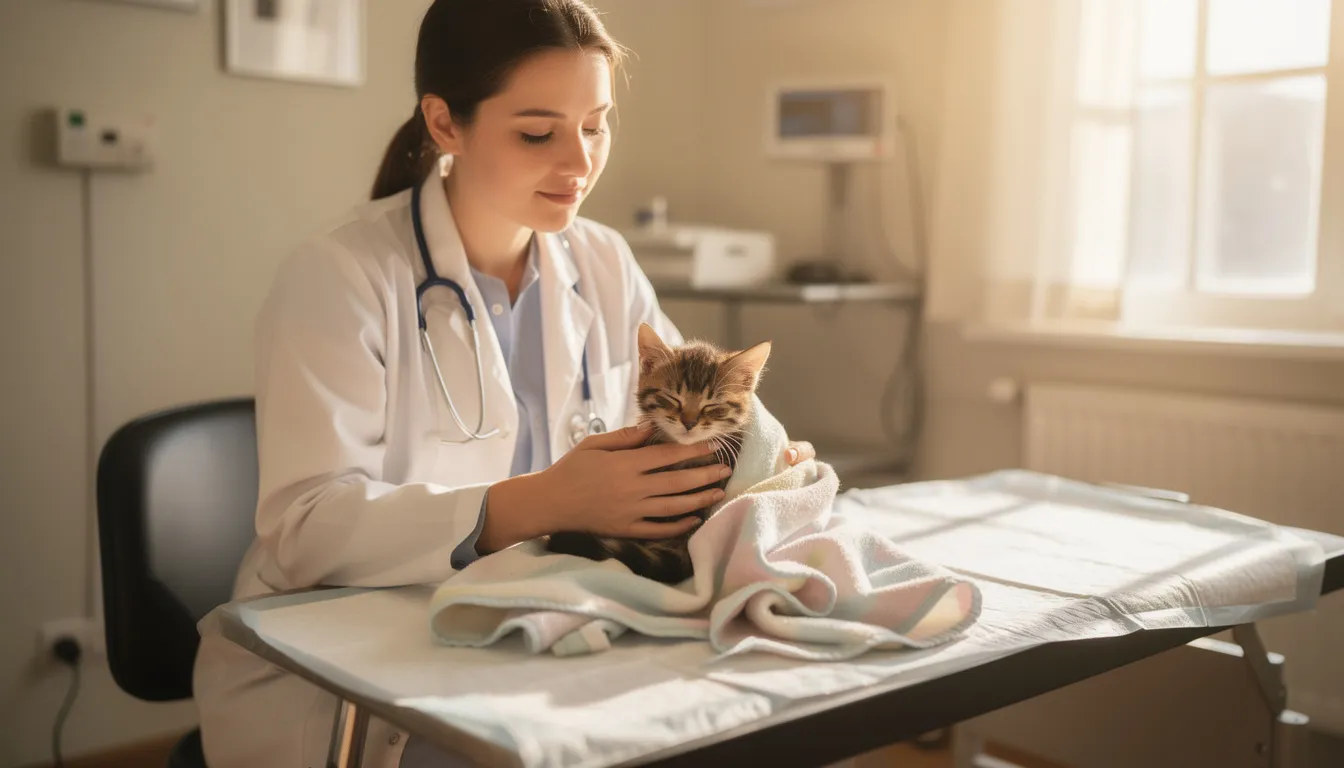
During their first vet visit at 6–8 weeks, many kittens will purr even while feeling uncertain about the strange environment. This is a perfect example of how purring serves multiple purposes beyond simple happiness. |
|
Why Do Kittens Purr? (Emotional and Social Reasons)
Purring is a much more complicated form of communication than most people realize. While we often associate it with contentment, the truth is that kittens purr for multiple reasons: to bond, to self-soothe, to ask for something, and even to cope with stress or pain. Context and body language matter enormously.
The emotional and social triggers for purring break down into several categories:
Contentment and happiness
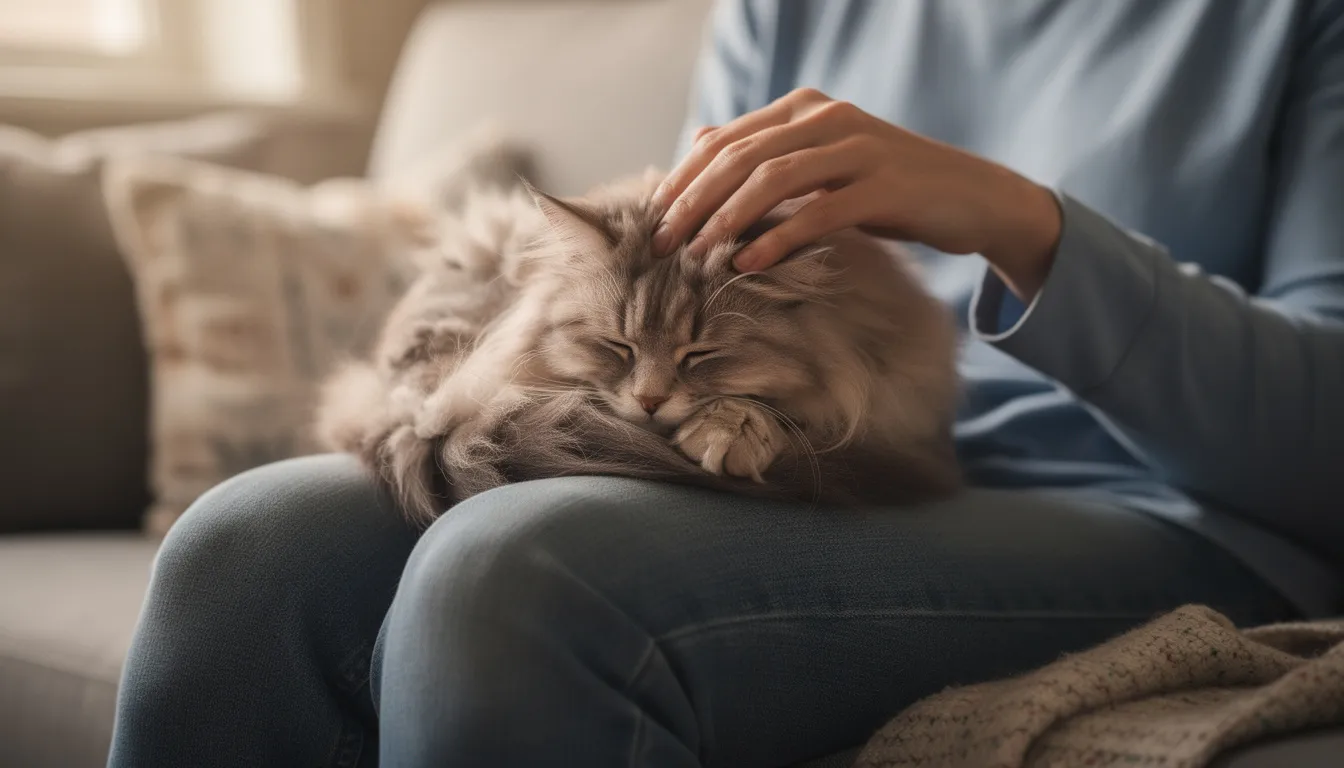
This is the purr most people recognize. When a kitten is nursing peacefully, snuggling with littermates, or curled up on a warm lap, purring signals relaxed satisfaction. The kitten’s body will appear loose, whiskers soft, and eyes may slowly blink—the classic picture of feline bliss.
Bonding and social connection
Purring acts as social glue. Between kitten and mother, it strengthens the nursing bond during those critical first weeks. Later, when kittens bond with humans, purring serves the same function. When your kitten purrs while you pet them, they’re reinforcing your connection and signaling trust.
Solicitation and requests
Kittens quickly learn that purring gets results. Research published in journals like Mammal Review has documented “solicitation purrs”—slightly higher-pitched purrs that contain an embedded frequency similar to an infant’s cry. Humans respond to these sounds instinctively. If your kitten circles your legs, heads toward the food area, and purrs with added meows or chirps, they’re essentially saying “feed me” or “play with me.”
Self-soothing during stress
Here’s where things get interesting. Kittens also purr when they’re anxious, frightened, or in pain, or experiencing fear. A kitten in the veterinarian’s waiting room may purr as a coping mechanism during a stressful event. Similarly, a kitten after a minor injury may purr to self-soothe and potentially reduce pain.
To understand what a purr really means, observe the whole picture:
-
Content purr: Relaxed posture, slow blinks, soft whiskers, stretched out or loosely curled
-
Stressed purr: Tense body, wide eyes with dilated pupils, tail wrapped tightly around body, ears flattened
As kittens grow into juveniles around 4–6 months, they become sophisticated communicators. They learn which purrs and vocalizations reliably get responses from their humans and repeat those patterns. Your cat is essentially training you as much as you’re training them.
Can Purring Help Kittens Heal?
Scientists have measured cat purrs in the approximate 25–150 Hz range, with an average frequency typically around 25–50 Hz. Remarkably, these frequencies overlap with those shown in orthopedic research to support bone growth and tissue repair in mammals, including the repair of soft tissues such as muscles and tendons. This has led researchers like Elizabeth Von Muggenthaler to propose that purring may function as a “natural healing mechanism.”
The leading theories on how this might work include:
-
Bone and cartilage stimulation: Low-frequency vibrations may encourage bone cells (osteocytes) to grow and repair, potentially explaining why cats often recover quickly from fractures
-
Improved circulation: Gentle, rhythmic movement may enhance blood flow to injured areas, promoting the formation of granulation tissue (the connective tissue and microscopic blood vessels that help wounds heal)
-
Pain reduction and stress relief: Purring may trigger the release of endorphins—the body’s natural painkillers—helping cats manage discomfort
Gary Weitzman, a veterinarian and CEO of the San Diego Humane Society, notes that while purring generally indicates contentment, it can also signify fear or stress. He highlights that purring may serve both healing and communicative functions, as supported by recent research.
Research published in the New Zealand Veterinary Journal and other publications has explored these connections, though scientists note that more study is needed specifically in living cats. Studies examining low-intensity vibrations in healing mice wounds have produced promising results that align with these theories.
In practical terms, you might notice your kitten purring during recovery from spay or neuter surgery (typically performed around 4–6 months). Many cats purr when they have a minor injury or feel unwell, even when they don’t appear outwardly happy. This isn’t contradictory—it’s the body using a built-in mechanism to potentially reduce pain and promote healing.
Important caveat: Purring is not a substitute for veterinary care. If your kitten is purring but also hiding, lethargic, refusing to eat for more than 12–24 hours, or showing other illness signs, contact your vet promptly. The healing properties of purring supplement proper medical treatment—they don’t replace it.
Do All Cats Purr the Same Way? (Kittens vs. Big Cats)
Not all cats can purr in the same way, and the distinction comes down to vocal anatomy. Scientists divide the cat family into “purring cats” (subfamily Felinae, including domestic cats, cheetahs, and lynx) and “roaring cats” (subfamily Pantherinae, including the lion, tiger, leopard, and jaguar).
The key difference lies in the hyoid bone, a small structure in the throat that supports the larynx. In purring species, the hyoid is fully ossified (bony), which allows the vocal cords to vibrate rapidly and continuously. In roaring cats, the hyoid is more flexible, and the vocal folds are structured differently—enabling that spectacular roar but generally preventing true purring.
Earlier theories suggested that the inferior vena cava—a major vein responsible for transporting deoxygenated blood from the lower parts of the body to the right atrium of the heart—might play a role in purring, but recent research has ruled out this connection.
The Zoological Society of London and other research institutions have studied these differences extensively. Interestingly, the snow leopard presents an exception: it has an incompletely ossified hyoid yet can produce purr-like sounds. This shows that vocal anatomy and respiration physiology in big cats is more complex than a simple binary.
How does this relate to your kitten? Your domestic cat uses the same fundamental purring mechanism as adult cats—just scaled to a smaller body. As a kitten grows from a tiny 500-gram neonate to a several-kilogram adult, their purr often becomes deeper and sometimes louder. The neural oscillator remains the same; only the size of the instrument changes.

How to Tell What Your Kitten’s Purr Really Means
Reading a purring cat requires looking beyond the sound itself. To interpret what your kitten is communicating, observe their body posture, tail and ear position, facial expression, and the situation they’re in. A purr during feeding time means something different than a purr at the vet clinic.
Here are the common patterns to recognize:
Content purr
Your kitten has a loose, relaxed body. They may be slow blinking, kneading with their paws, and either stretched out or curled in a comfortable ball. Whiskers are soft, ears forward and relaxed. This is the purr of happiness and safety.
Apprehensive or coping purr
Body is hunched or tense. Tail is wrapped tightly around the body. Pupils are dilated (wide eyes), and ears may be flattened or rotated backward. The kitten may be petted but doesn’t appear fully relaxed. This purr is self-soothing rather than celebratory.
Solicitation purr
Your kitten is on the move—circling your legs, heading toward food bowls, making eye contact. The purr may include small meows, chirps, or trills. They’re asking for something specific: food, play, attention, or access to a room.
Practical scenarios to help you respond appropriately:
-
First night in a new home (8–12 weeks): A kitten pressed tightly against you or a blanket while purring is likely self-soothing through the transition. Respond with gentle warmth and minimal handling.
-
During nail trims or grooming: Some kittens purr to manage mild discomfort. Keep sessions short and reward with treats.
-
Playtime: A kitten purring while pouncing on toys is experiencing pure joy. Encourage this behavior—it’s great for bonding.
Red flags to watch for—see a vet even if they’re purring:
-
Fast or labored breathing
-
Persistent hiding or refusal to eat for more than 12–24 hours
-
Sudden change in purr quality (much louder, raspier, or nearly silent) combined with other illness signs
-
Lethargy, vomiting, or changes in litter box habits
Remember: many cats purr at the vet specifically because they’re stressed. Don’t assume a purring cat is a healthy cat without considering the full picture.
Environmental Factors That Influence Kitten Purring
The environment a kitten grows up in has a profound impact on its behavior, including how and when it purrs. Many cats are highly sensitive to their surroundings, and even small changes can influence their sense of security and well-being. A calm, quiet home with predictable routines encourages kittens to purr out of contentment, signaling that they feel safe and relaxed. On the other hand, exposure to loud noises, frequent disruptions, or unfamiliar people and animals can lead kittens to use purring as a way to self-soothe during moments of stress. Social interactions also play a role—kittens that receive gentle handling and positive attention from their caregivers are more likely to develop confident, affectionate behaviors, including purring. By creating a nurturing environment that minimizes stress and maximizes comfort, cat owners can help their kittens develop healthy purring habits that reflect true contentment and well-being.
Helping Your Kitten Feel Calm Enough to Purr
A kitten’s willingness to purr openly reflects how safe and comfortable they feel in their environment. In the first weeks after adoption, creating the right conditions can make the difference between a relaxed, purring kitten and an anxious one who hides.
Environment essentials:
-
Quiet, draft-free sleeping spots: Kittens need a retreat where they feel protected. A cozy bed in a low-traffic corner works well.
-
Warmth retention: Kittens, especially young ones, can’t regulate body temperature as efficiently as adult cats. Bedding that holds heat helps them feel secure.
-
Predictable routines: Feeding, play, and rest at consistent times reduces uncertainty. Kittens thrive on knowing what comes next.
The role of litter and toileting comfort:
You might not immediately connect litter boxes to purring, but toileting comfort matters enormously for overall stress levels. A clean, low-odour litter box helps kittens feel secure using their tray. Unscented or lightly scented, low-dust litters reduce respiratory irritation and sensory overload, which can otherwise make kittens anxious.
This is where choosing the right products makes a genuine difference. Michu Australia’s tofu-based, low-dust cat litter offers fast clumping and excellent odour control without the heavy perfumes that can overwhelm sensitive kitten noses. When your kitten feels comfortable in their litter area, that confidence extends to the rest of their environment—making them more likely to relax, explore, and yes, purr contentedly on your lap.
Creating vertical comfort:
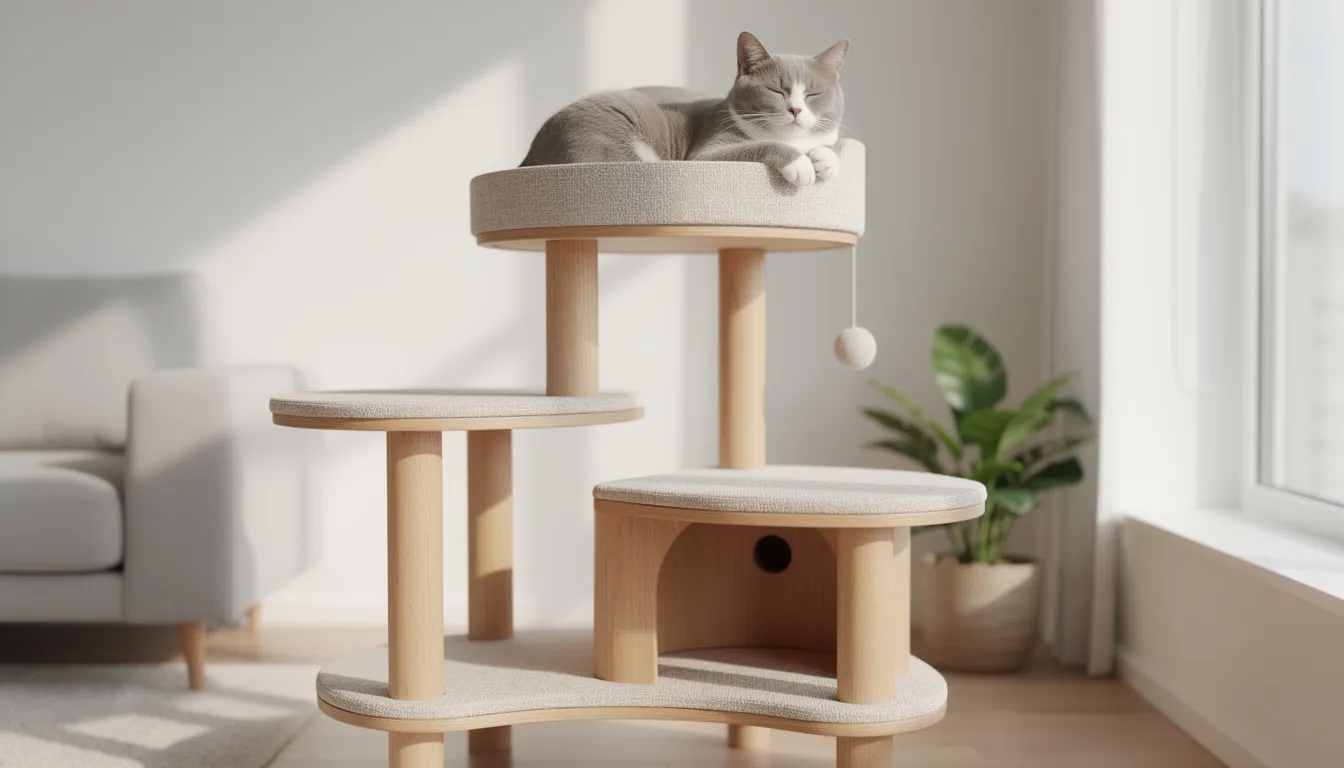
Cats feel safest when they have height options. Stylish, stable cat trees and furniture give kittens elevated spaces where they can survey their territory, nap undisturbed, and feel secure. Many kittens will settle into a favorite perch on a cat tree and purr themselves to sleep.
Michu Australia designs eco-friendly, aesthetically pleasing cat furniture that fits modern homes while giving kittens the climbing and resting options they instinctively crave. Paired with sustainable litter solutions, these products help create the kind of calm, purr-worthy environment every kitten deserves.
Ready to build a more comfortable space for your feline friend? Explore Michu Australia’s range of eco-friendly litter, litter boxes, and kitten-friendly furniture designed with both cats and their humans in mind.
How Kittens Learn to Purr: Habituation and Learning
Kittens aren’t born with a fully developed purr—they learn and refine this unique vocalization through a combination of instinct, experience, and social learning. In the earliest days of life, kittens begin to purr while nursing, using the vibrations as a form of communication with their mother and littermates. As they grow, kittens learn to associate purring with different situations and emotional states, such as feeling safe, seeking attention, or coping with discomfort. Through repeated experiences, kittens become attuned to how their purring elicits responses from their environment—whether it’s a comforting lick from their mother, a gentle pet from a human, or a soothing effect during a stressful event. This process of habituation and learning helps kittens fine-tune their purring as a versatile tool for communication and self-regulation. Over time, as the kitten grows and interacts with the world, its purr becomes a personalized expression shaped by both nature and nurture.
Vocalizations and Communication in Kittens
Kittens are natural communicators, and their vocalizations are a vital part of how they interact with the world around them. From the moment they are born, kittens learn to use a variety of sounds to express their needs, emotions, and intentions—making vocalization a key form of communication within the feline family.
In the early days, a kitten’s first vocalizations are often soft mews or cries, which serve as an essential lifeline to their mother. These sounds help kittens signal when they are hungry, cold, or in need of comfort, ensuring that their mother responds quickly to their needs. As kittens grow, their vocal repertoire expands to include chirps, trills, and more complex meows, each carrying its own meaning. For example, a high-pitched mew might indicate excitement or a request for attention, while a softer, repetitive chirp can signal curiosity or a desire to play.
Kittens learn the nuances of vocal communication not only through instinct but also by observing and mimicking their mother and littermates. Social interactions within the litter help kittens refine their vocal skills, teaching them how to use different sounds to get what they want or to signal their feelings. As they spend more time with their human caregivers, kittens quickly discover that certain vocalizations—like a persistent meow or a gentle trill—can elicit specific responses, such as being picked up, fed, or played with.
Understanding your kitten’s vocalizations is an important part of building a strong relationship with your feline friend. By paying attention to the types of sounds your kitten makes and the context in which they occur, you can better interpret their needs and emotions. Responding appropriately to your kitten’s communication not only helps meet their immediate needs but also strengthens the bond you share, fostering trust and affection as your kitten grows.
In summary, vocalizations are a fundamental form of communication for kittens, helping them navigate their environment, connect with their social group, and interact with their human companions. By tuning in to these sounds and learning what they mean, you’ll be well on your way to understanding—and responding to—your kitten’s unique voice.
Frequently Asked Questions About Kitten Purring
Is it normal if my kitten never seems to purr?
Yes, some kittens purr very quietly—so quietly you might only feel a faint vibration rather than hear any sound. Try placing your hand gently on your kitten’s throat or chest while they’re relaxed and nursing or being petted. If you feel subtle rhythmic vibrations, they’re purring. However, if your kitten was previously vocal and has suddenly stopped purring entirely, or if the change accompanies other behavioral shifts (hiding, not eating, lethargy), mention it to your vet at your next visit.
Why does my kitten purr and then suddenly bite me?
This is classic overstimulation. Kittens can shift from enjoying petting to feeling overwhelmed quickly. Watch for early warning signs: tail flicks, skin rippling along the back, ears rotating backward, or sudden stillness. When you spot these, stop petting before the bite happens. Keep petting sessions shorter, and redirect to interactive toys like feather wands when your kitten seems to be reaching their limit.
Can I feel my kitten’s purr but not hear it?
Absolutely. This is common in very young kittens, small-bodied cats, and naturally quiet purrers. The mechanism is the same—the vibrations are simply too subtle to produce audible sound at human hearing thresholds. Lightly placing your hand on their chest, throat, or even their nose can help you detect the gentle rumble. Dogs, by comparison, don’t have this capability at all—purring is distinctly feline.
Do kittens purr while they sleep?
Many kittens will purr as they drift off to sleep, and some briefly resume purring if they’re dreaming or gently stroked while dozing. This is typically a sign of deep relaxation and security. If your kitten falls asleep purring on your lap, you’ve achieved peak cat-parent status—your feline friend feels completely safe with you.
Does neutering or spaying change a cat’s purr?
The physical purring mechanism—the neural oscillator, laryngeal muscles, and vocal cords—remains unchanged after surgery. Some owners notice their cats seem to purr more frequently after being spayed or neutered, but this likely reflects behavioral changes (calmer, more relaxed, less driven by hormonal urges) rather than any alteration to the purr itself. A cat who feels safer and more settled at home simply has more occasions to express contentment.
Do all cats have the same purring style?
No, cats have unique purring patterns and personalities. For example, photographer Marjan Debevere observed her four cats, each with their own distinct way of purring and expressing themselves. This shows that purring can vary widely between individual cats, both in sound and in the reasons they purr.