


This guide is for cat owners in Australia and the US who want to understand if cats get colds, how to recognize the signs, provide effective home care, and know when to seek veterinary help. Knowing the difference between a mild cold and a serious illness can help you keep your feline friend healthy and comfortable. Understanding cat colds is crucial for every pet owner, as it helps you provide the right care at home, recognize when symptoms are serious, and make informed decisions about when to seek veterinary attention. By learning the signs, care strategies, and prevention tips, you can ensure your cat stays healthy, recovers quickly, and avoids unnecessary complications.
Key Takeaways
-
Yes, cats do get “colds”—these are typically viral upper respiratory infections caused by feline-specific viruses like herpesvirus and calicivirus, not the same germs that affect humans.
-
Mild sneezing and a runny nose in an otherwise healthy adult cat can often be managed at home, but trouble breathing, refusing food, or symptoms lasting beyond day 3–4 require veterinary attention.
-
Indoor cats that are vaccinated and live in low-stress environments catch colds far less often than outdoor cats or those in boarding facilities.
-
Kittens, senior cats, and immune compromised cats are at higher risk of complications and should see a vet at the first sign of cold symptoms.
-
Using low-dust, high-quality litter like Michu’s tofu-based formula can help reduce respiratory irritation and support easier breathing while your cat recovers.
Can Cats Get Colds?
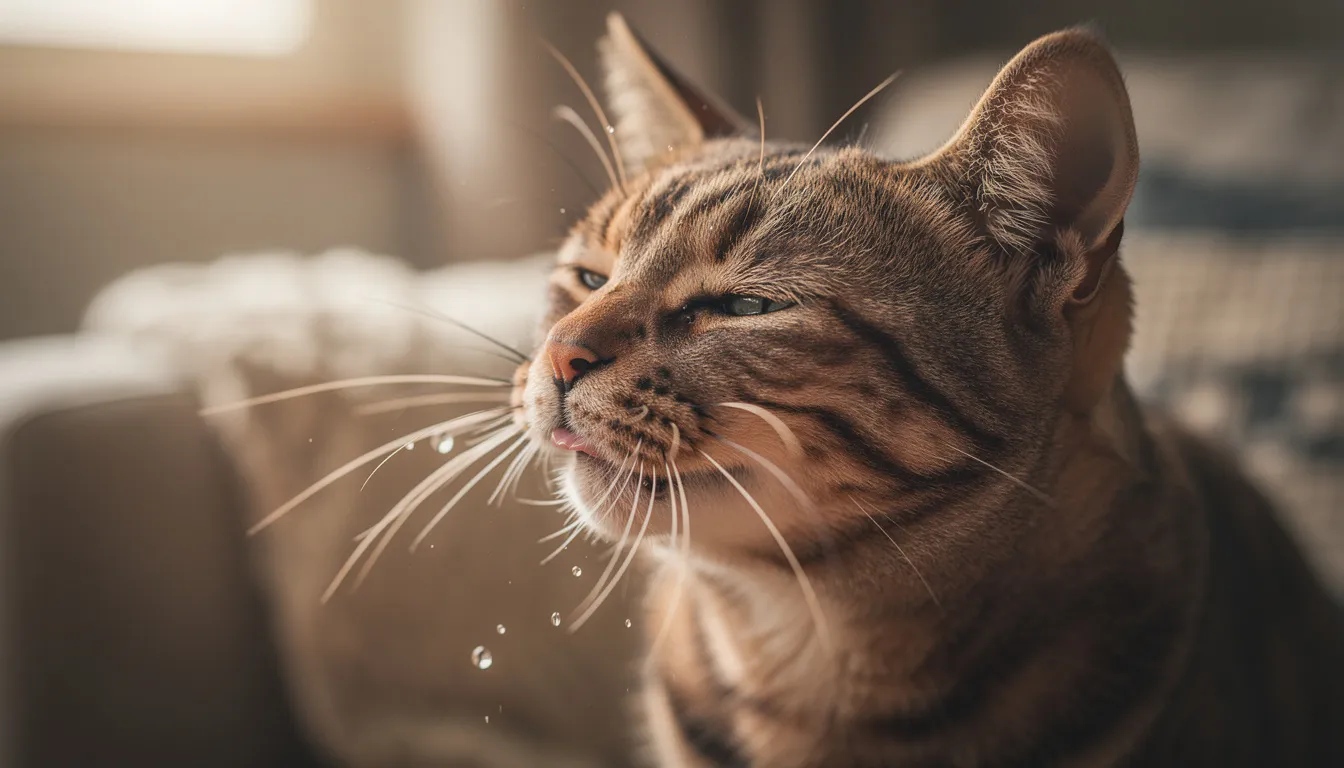
When your feline friend starts sneezing and develops a runny nose, it’s natural to wonder whether cats catch colds the same way we do. The short answer is yes—cats get a cold, but their “colds” are actually feline upper respiratory infections caused by species-specific pathogens, not the viruses behind the common cold in humans.
About 90% of cat colds stem from two main culprits: feline herpesvirus-1 (FHV-1) and feline calicivirus (FCV). These viruses produce cold symptoms that look remarkably similar to human colds—think sneezing, nasal congestion, runny eyes, and general lethargy. However, you won’t catch a cold from your cat, and your cat won’t catch your cold virus either. The germs are entirely different.
Most healthy cats recover from a mild upper respiratory infection within 7 to 14 days with proper home care. A 2-year-old indoor-only cat in Melbourne with up-to-date vaccinations, for example, will typically bounce back quickly with some rest and comfort measures. The key is recognising when symptoms require more than home nursing—something we’ll cover in detail below.
How Do Cats Catch a Cold?
Feline upper respiratory infections are highly contagious. They spread through droplets from sneezes, direct contact during grooming, and shared items like food bowls or the litter box. If one cat in your household develops cold like symptoms, there’s a real chance other cats could catch it too.
The main infectious agents include:
|
Pathogen |
What It Causes |
|---|---|
|
Feline herpesvirus-1 (FHV-1) |
Sneezing, eye discharge, conjunctivitis, corneal ulcers |
|
Feline calicivirus (FCV) |
Sneezing, mouth ulcers, lameness in some strains |
|
Bordetella bronchiseptica |
Coughing, sneezing, nasal discharge |
|
Chlamydia felis |
Eye inflammation, mild sneezing |
High-risk situations for catching a cold:
-
Shelters and rescue environments where many cats share space
-
Catteries and boarding facilities during holiday periods
-
Multi-cat households, especially with new additions
-
Outdoor cats encountering neighbourhood strays
-
Rescue cats with unknown vaccination history
Stress plays a major role in cold susceptibility. Travel in a pet carrier, a new home, changes to routine, or even switching litter brands can lower your cat’s immune system defences. This is especially true for feline herpesvirus, which establishes lifelong latency in recovered cats and can reactivate during stressful periods.
The good news? Good vaccination, quarantining new cats for 10–14 days before introducing them to resident pets, and choosing a reputable boarding provider with strict health protocols can significantly reduce the risk.
Signs and Symptoms of a Cat Cold
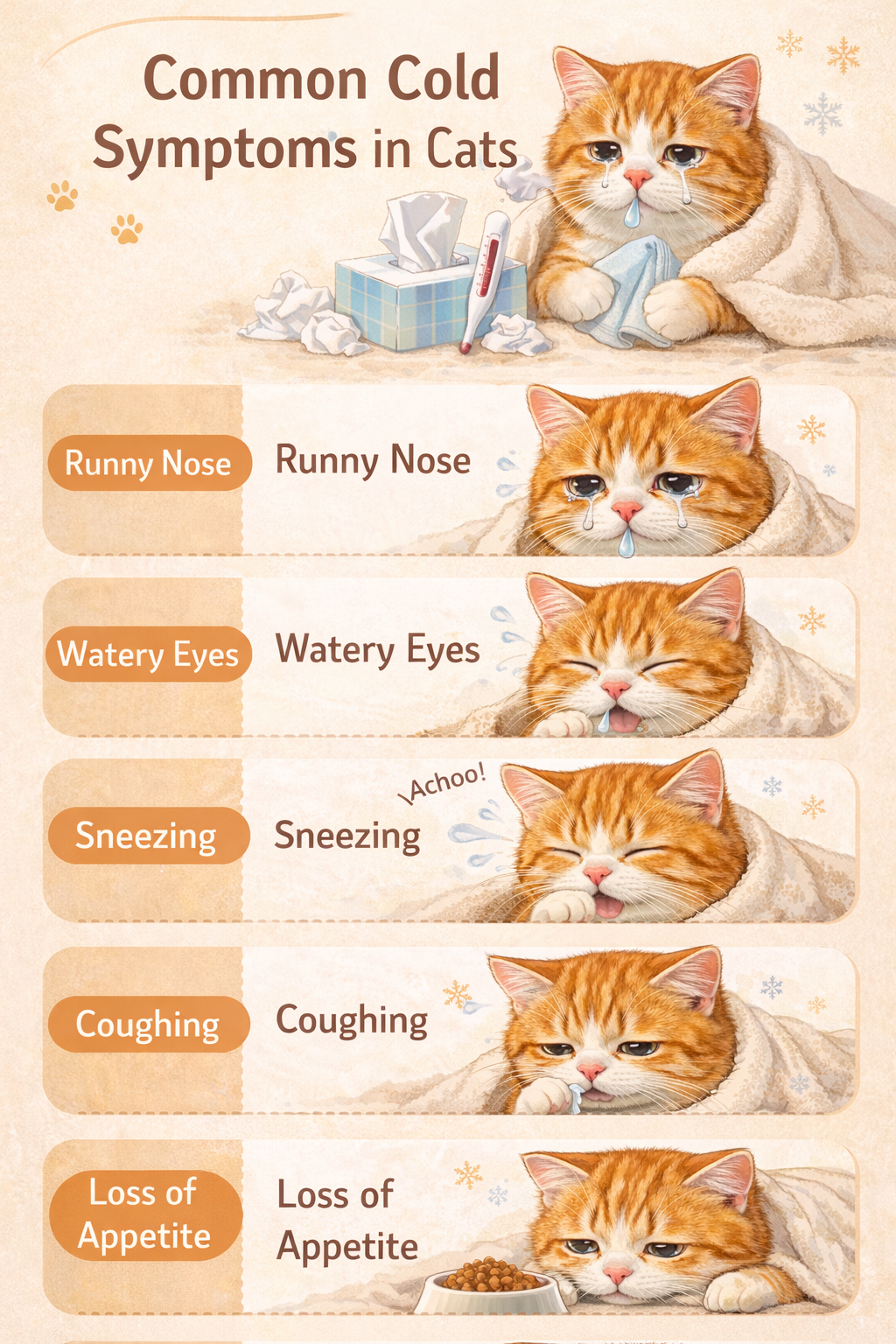
The following cat cold symptoms typically appear suddenly and peak within the first few days. In most healthy adult cats, you’ll see mild signs that gradually improve. However, vulnerable cats—kittens, older cats, or those with chronic conditions—can develop more severe symptoms that escalate quickly.
The common symptoms of a cat cold include:
-
Frequent sneezing
-
Clear or slightly cloudy nasal discharge
-
Watery eyes or cat’s watery eyes with mild discharge
-
Subtle lethargy or sleeping more than usual
-
Softer, raspier, or quieter meow
-
Mild decrease in appetite (but still eating)
Concerning or worsening symptoms:
-
Thick yellow or green nasal discharge (suggests bacterial infection)
-
Red, swollen, or painful-looking eyes
-
Eye discharge sealing eyelids shut
-
Mouth ulcers or drooling
-
Fever (ears and paw pads feeling hot)
-
Obvious trouble smelling food leading to reduced appetite
-
Persistent coughing
Red-flag signs requiring urgent veterinary attention:
-
Open-mouth breathing
-
Fast, laboured, or noisy breathing
-
A cat begins coughing has difficulty breathing consistently
-
Blue-tinged or pale gums
-
Complete refusal to eat or drink for 24 hours
-
Collapse or extreme weakness
If your cat continues showing the same symptoms or if symptoms worsen rather than improve by the fourth day, it’s time to make an appointment with your vet. Keeping a simple symptom diary—noting date, appetite level, breathing pattern, and energy—helps you report accurately to your veterinarian and track whether your pet’s condition is improving. Monitoring your pet's condition is crucial, as it allows your veterinarian to make an accurate diagnosis and determine the best course of action. Always monitor your pet’s condition closely and seek veterinary advice promptly if you notice any deterioration or changes in your pet’s condition.
How to Care for a Cat with a Cold at Home
Many mild colds in otherwise healthy, vaccinated adult cats can be managed at home with supportive care. In most cases, cat colds are harmless and resolve on their own, but it is important to monitor for complications, especially in kittens and seniors. That said, home care never replaces professional veterinary assessment, and this information is intended for informational purposes only—it does not constitute medical advice regarding pets or replace an appointment with your vet.
Create a Comfortable Recovery Space
Set up a warm, draught-free room where your sick cat can rest undisturbed. Place an extra blanket or soft bedding at your cat’s favorite resting spots to help them stay warm. Keep the room quiet and calm—stress can slow recovery.
If you have other cats, temporarily separate the unwell cat to prevent spreading the infection. Use separate food bowls, water dishes, and litter boxes during the isolation period.
Simple Steam Therapy
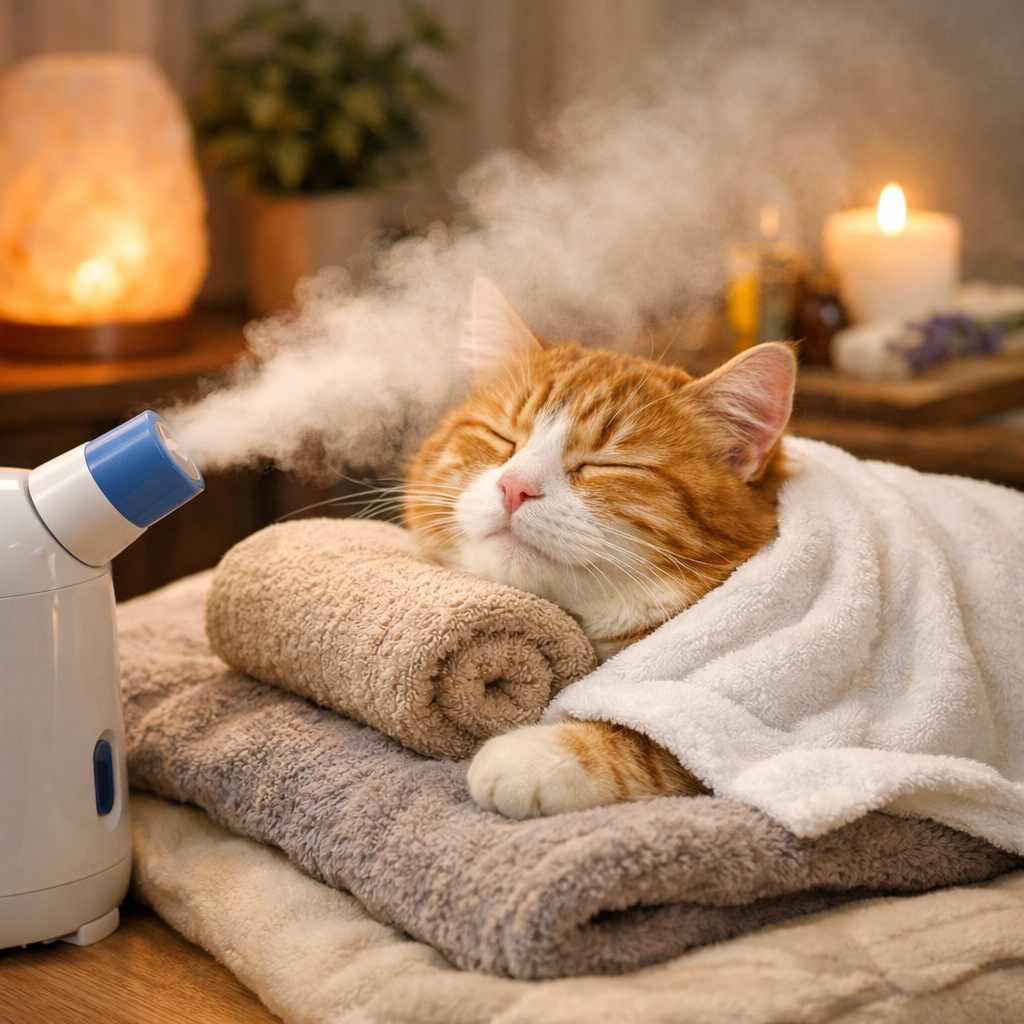
Gentle humidity can help relieve nasal congestion. The easiest method:
-
Bring your cat into the bathroom (in their pet carrier or on your lap)
-
Run a hot shower to create steam—never use boiling water directly near your cat
-
Sit with them for 10–15 minutes while the steam loosens congestion
-
Supervise constantly and never place your cat too close to a bowl of hot water
Another method is to place your cat in a carrier, put a bowl of hot water in front of the carrier, and cover both with a blanket to create a warm, humid environment. This "carrier put a bowl" approach can help ease breathing difficulties, but always ensure your cat cannot touch the hot water and monitor them closely.
Gentle Nose and Eye Cleaning
Use a separate clean cloth for each eye and the nose to avoid spreading infection:
-
Dampen a soft cloth and saline solution (plain saline, not contact lens solution)
-
Gently wipe away discharge from around the nose and eyes
-
Wiping their runny nose and eyes 2–3 times daily keeps your cat more comfortable and helps them breathe and see better
If your vet recommends it, you may use a veterinary-grade saline solution specifically for cat’s eyes. Never use human eye drops without veterinary guidance.
Support Hydration and Appetite
A congested cat can’t smell their food well, which often leads to reduced appetite. Try these strategies to help your cat feel more interested in eating:
-
Offer fresh water in multiple locations
-
Warm wet food slightly to release aromas (test temperature first)
-
Try strong-smelling options like sardines, tuna in spring water, or low-sodium chicken broth (no onion, garlic, or added salt)
-
Hand-feed small amounts frequently if your cat seems interested but hesitant
-
Add a splash of warm water to cat’s food to boost hydration
If your cat falls into complete food refusal or stops eating for 24 hours, contact your vet immediately.
Keep the Litter Box Clean and Low-Irritant
A sick cat may be more sensitive to dust and scents. Keep the litter box meticulously clean—scoop at least twice daily. Consider switching to a low-dust litter like Michu’s tofu-based formula, which produces minimal airborne particles and uses no overpowering fragrances that could overwhelm an unwell cat’s compromised sense of smell.
What NOT to Do
Never give human cold medication to your cat. Paracetamol, ibuprofen, decongestants, and antihistamines formulated for humans can be toxic—even fatal—to cats. Don’t give human cold medication under any circumstances, and always call your vet before administering any over-the-counter pet product.
Does My Cat Have a Cold or Allergies?
Allergies or a cold can look remarkably similar in cats, making it tricky to know what you’re dealing with. The key differences lie in timing, triggers, and duration.
Typical cold pattern:
-
Sudden onset over 1–2 days
-
Possible fever (warm ears, paw pads, lethargy)
-
Discharge may start clear but thicken to yellow-green over time
-
Often follows boarding, rescue adoption, or contact with new cats
-
Usually resolves within 7–14 days
Typical allergy pattern:
-
Ongoing or seasonal sneezing and runny eyes
-
Itchiness, excessive grooming, or skin issues
-
No fever
-
Flares around specific triggers (new cleaning products, pollen seasons, new litter)
-
Persists or recurs without following exposure to other cats
Here’s a practical example: if your cat recently started sneezing only when digging in a new heavily scented or dusty litter, you’re likely dealing with irritation or allergy rather than a true persisting cold. Switching to an unscented, ultra low-dust litter like Michu’s tofu formula—combined with vet assessment—can help clarify whether dust or perfume is the trigger.
If symptoms last more than 2–3 weeks, recur frequently, or include skin problems or digestive issues, speak to your vet about allergies, asthma, or other conditions rather than assuming it’s just another cold.
When to See a Veterinarian
Some cats should see a vet at the very first sign of cold symptoms, regardless of severity:
-
A young kitten (under 6 months)
-
A senior cat (10+ years)
-
Brachycephalic breeds like Persians with flat faces
-
Pregnant or nursing queens
-
Any immune compromised cat or those with chronic illness
Time-Based Guidance for Healthy Adult Cats
|
Day |
What to Watch For |
Action |
|---|---|---|
|
Days 1–3 |
Mild sneezing, clear discharge, slight lethargy |
Home care, monitor closely |
|
Days 3–4 |
No improvement or worsening symptoms |
Book a vet appointment |
|
Any day |
Difficulty breathing or stops eating |
Seek veterinary care immediately |
Emergency Signs Requiring Same-Day Vet Visit
-
Open-mouth breathing or obvious struggle to breathe
-
Blue, grey, or very pale gums
-
Complete refusal to eat or drink for 24 hours
-
Collapse, extreme weakness, or unresponsiveness
-
Eye injury or eye held completely shut
-
Trouble breathing that doesn’t ease with rest
What to Expect at the Vet
Your vet may perform:
-
Physical examination including temperature check
-
Eye and nose swabs for PCR testing (to identify specific pathogens)
-
Blood work in complicated cases
-
Chest X-rays if pneumonia is suspected
Treatment might include prescription eye drops, antibiotics if secondary bacterial infection is present, antivirals for severe herpesvirus cases, pain relief for mouth ulcers, or fluid therapy for dehydrated cats. If your cat suffering from a severe cold isn’t treated properly may develop into pneumonia or other serious complications.
Important: The advice in this article is general information for cat owners in Australia and the US. It does not constitute medical advice and is not a substitute for personalised veterinary care for your individual pet.
Preventing Colds in Cats
Prevention combines vaccination, good hygiene, stress reduction, and thoughtful home environment choices. Here’s how to keep your feline friend healthy.
Stay Current on Vaccinations
Core vaccines like FVRCP protect against feline herpesvirus-1, calicivirus, and panleukopenia. Follow your vet’s recommended schedule, especially for:
-
Kittens (series of boosters in first year)
-
Outdoor cats with higher exposure risk
-
Cats that board or visit catteries
-
Multi-cat households
Vaccines don’t guarantee your cat will never catch a cold, but they significantly reduce severity and complications.
Quarantine New Cats
Before introducing a new cat to your household:
-
Keep them in a separate room for 10–14 days
-
Use separate food bowls, water dishes, and litter boxes
-
Watch for sneezing, runny eyes, or runny nose
-
Wash hands between handling cats
-
Get a vet check before full introduction
Optimise the Home Environment
-
Provide warm, dry sleeping spots away from cold draughts
-
Clean food and water bowls daily
-
Wash bedding weekly, especially during illness
-
Keep litter areas clean to reduce pathogen load
-
Use low-dust, eco-friendly litter like Michu’s tofu-based products
-
Invest in easy-to-clean cat furniture and sustainable accessories
Support Overall Immune Health
Healthy cats with robust immune systems fight off infections more effectively:
-
Feed a balanced, high-quality diet
-
Maintain healthy weight
-
Keep up with regular vet check-ups and parasite control
-
Minimise sudden changes to routine or environment
-
Reduce stress through environmental enrichment and stable routines
Choose Boarding Wisely
When you travel, select a reputable boarding provider that:
-
Requires vaccination records from all cats
-
Maintains good ventilation and cleaning protocols
-
Provides individual housing (not group rooms)
-
Has isolation procedures for sick animals
-
Keeps stress low with quiet environments and familiar items
Indoor cats from low-stress households with current vaccinations rarely develop serious colds. Outdoor cats and those frequently exposed to unfamiliar cats face higher risk, so colds can they get more often than their indoor counterparts.
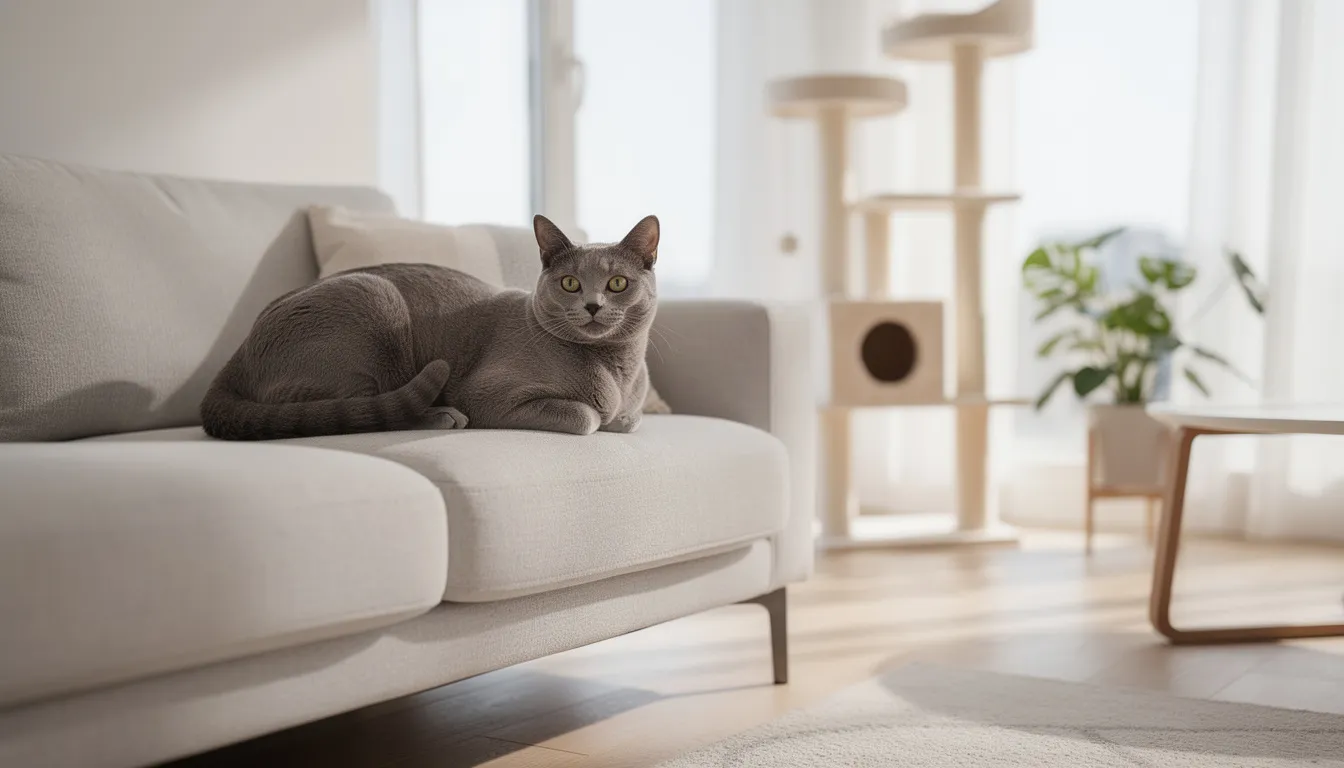
Michu: Supporting Congestion-Friendly, Low-Dust Litter Habits
When your cat has a cold, every breath matters. Dusty, heavily perfumed litters can irritate already-inflamed nasal passages and airways, potentially worsening sneezing, congestion, and general discomfort. This is where your choice of litter makes a real difference.
Michu Australia’s tofu cat litter is designed with respiratory comfort in mind:
|
Feature |
Benefit for Sick or Sensitive Cats |
|---|---|
|
Ultra low dust |
Minimises airborne particles that irritate airways |
|
Plant-based, natural ingredients |
No harsh chemicals or synthetic additives |
|
Fast clumping |
Makes scooping easy, keeping the box cleaner |
|
Strong odour control |
Neutralises smells without overpowering perfumes |
|
Eco-friendly and sustainable |
Gentle on cats and the planet |
For a cat with an accurate diagnosis of a cold or chronic respiratory sensitivity, a clean, low-irritant litter box environment supports recovery. Michu’s design-led litter boxes and sustainable cat furniture make it easy for owners to maintain consistently clean trays—encouraging even snuffly cats to keep using their box comfortably rather than avoiding it.
Because Michu products are made with eco-conscious cat owners in mind, you’re not just supporting your cat’s health—you’re making choices that align with sustainable living.
Ready to create a healthier home for your feline friend? Explore Michu Australia’s range of eco-friendly tofu litter, stylish cat trees, and accessories for cat owners in Australia and the US who value design, sustainability, and their cat’s wellbeing.
FAQ: Cat Colds
Can my other cats catch a cold from the sick one?
Yes, upper respiratory infections characterized by sneezing and discharge are contagious between cats. If one cat develops cold symptoms, temporarily separate them from other cats in your home. Use separate food bowls, water dishes, and litter boxes. Wash your hands thoroughly after handling the sick cat before touching healthy cats. Check that all cats in your household are up to date on vaccinations—this won’t prevent all infections but reduces severity if they do catch something.
How can I help my cat eat when they can’t smell food?
A congested cat often loses interest in eating because they rely heavily on scent to stimulate appetite. Try gently warming wet food to release stronger aromas. Offer pungent options like sardines or tuna packed in spring water (not oil or brine). Hand-feed small amounts frequently throughout the day. Adding warm water or low-sodium chicken broth (no onion or garlic) to food can help. If your cat completely stops eating for 24 hours despite these efforts, call your vet—a cat that refuses food needs professional attention.
Can cold weather itself give my cat a cold?
Cold temperatures alone don’t cause feline upper respiratory infections—viruses and bacteria do. However, cold, damp conditions and the stress of being chilled can weaken your cat’s immune system, making infections more likely to take hold if they’re exposed to pathogens. Keep your cat warm during cooler months, provide cosy spots to stay warm, and limit outdoor exposure during wet or freezing weather.
Will my cat keep getting colds once they’ve had one?
Some cats, especially those infected with feline herpesvirus-1, may experience occasional flare-ups throughout their lives. The virus remains dormant in the body and can reactivate during stress, illness, or immune suppression. Good home care, low-stress environments, consistent routines, and working with your vet to manage flare-ups can keep episodes mild and infrequent. Not every cat with a cold history becomes a chronic sufferer—many recover fully and rarely have issues again.
Is it safe to use essential oils or vapor rubs to help my cat breathe?
No. Many essential oils are toxic to cats, including popular ones like eucalyptus, tea tree, and peppermint. Strong vapours from menthol rubs can also irritate feline airways rather than soothe them. Stick to vet-approved treatments and simple humidity methods like sitting in a steamy bathroom. If you’re unsure whether a product is safe, always ask your vet before using it around your cat.