


Choosing the right cat litter goes far beyond managing smell. The type of litter you use directly impacts your feline companion’s respiratory system, urinary tract, paws, and overall comfort. For cat owners, understanding these connections can mean the difference between a thriving pet and one battling preventable health issues.
Key Takeaways
-
Cat litter directly affects respiratory health, urinary health, paws and skin, and stress levels for both cats and humans. Indoor cats walk through, inhale, and groom litter particles daily over their 12-18 year lifespan, making long-term exposure a critical factor in their wellbeing.
-
Modern health monitoring cat litter can flag early urinary issues through color changes, but these tools supplement—never replace—regular veterinary care. A persistent color change warrants a vet visit within 24-48 hours.
-
Low dust, unscented, and appropriately textured litters are generally safest for long-term feline health, particularly for kittens prone to ingestion and senior cats with respiratory sensitivities or arthritis.
-
Cleanliness matters more than any single ingredient or brand. Daily scooping prevents bacterial buildup and ammonia accumulation, which can cause health issues in both you and your cat.
-
Watch for sudden changes in litter box habits or urine appearance. Contact a veterinarian within 24-48 hours if you observe straining, blood in the urine, or complete lack of urination—especially in male cats, where blockages can become life-threatening within hours.
How Cat Litter Influences Your Cat’s Health
Cat litter isn’t just about odor control. Every time your cat uses the box, they’re walking through granules, kicking up dust, and later grooming their paws. This daily ritual means your cat inhales particles, ingests small amounts during cleaning, and exposes their paw pads and skin to whatever chemicals or textures the litter contains.
Indoor cats typically visit the litter box multiple times daily for 12-18 years. This cumulative exposure adds up significantly. Different litter compositions—clumping clay, silica gel, and plant-based materials—carry distinct risks and benefits that we’ll break down in the following sections.
Human household members also benefit from healthier litter choices. Children who play on floors, pregnant women at risk for toxoplasma gondii exposure, and family members with asthma or weakened immune systems all encounter secondary exposure to litter dust and particles.
Respiratory Health and Dust Exposure
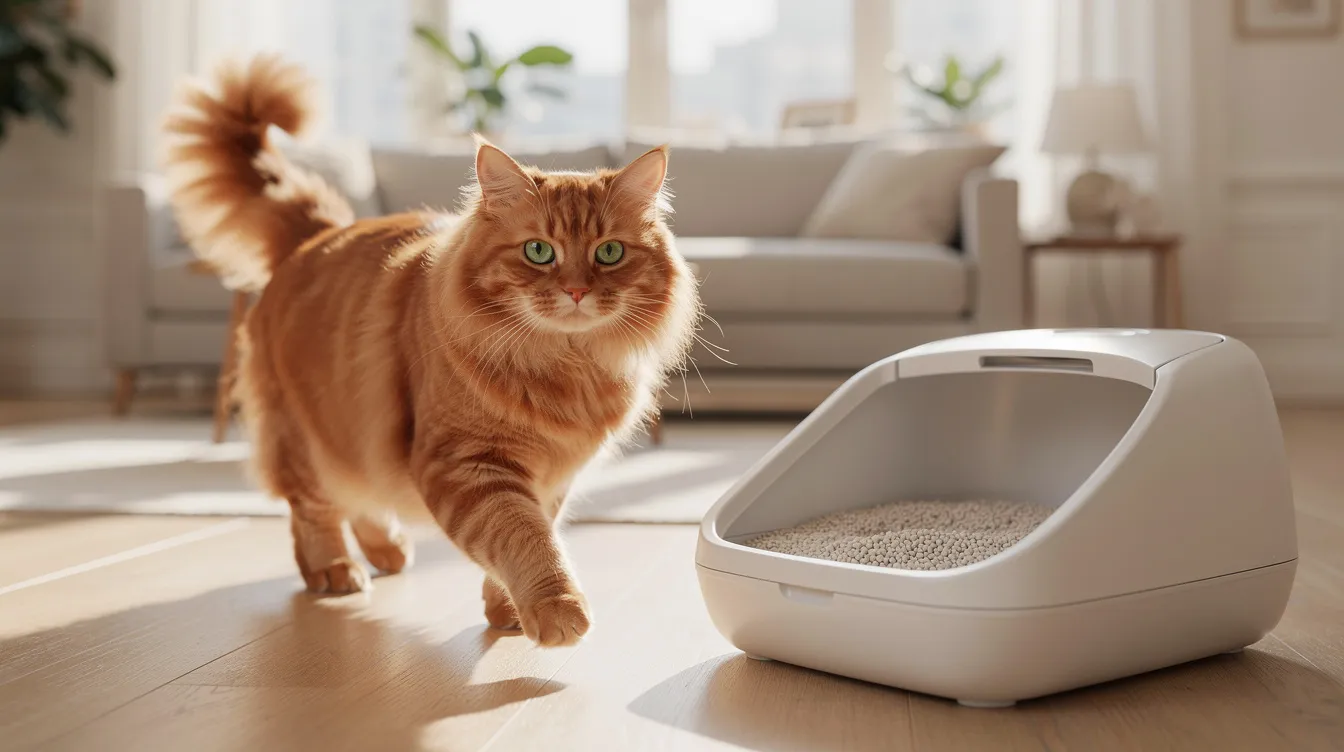
Litter dust becomes airborne when cats dig or when owners pour fresh litter into the box. These fine particles irritate airways and can worsen respiratory issues like asthma or chronic bronchitis in both cats and humans. Choosing a dust free litter can significantly reduce airborne particles, supporting better respiratory health for both pets and owners.
Traditional clay litter and some silica gel crystals generate fine particulate dust that lingers in small rooms or poorly ventilated bathrooms. Veterinary reports indicate dust-related respiratory complaints affect 10-20% of indoor cats using standard clay litters. Inhaling crystalline silica dust from clay litter can cause silicosis and other lung issues in cats.
To minimize respiratory risks:
-
Choose litters labeled “99% dust-free” or “low dust”
-
Test claims by gently pouring litter into a dry box and watching for visible clouds
-
Place litter boxes away from bedrooms and high-traffic sleeping areas
-
Use open boxes rather than enclosed ones for cats with feline asthma or chronic rhinitis
Households with HEPA air purifiers can place one near—but not directly over—the litter area to filter 99.97% of particles without startling the cat.
Paw, Skin, and Digestive Safety
Rough granules, harsh chemicals, and perfumes can irritate paw pads, skin folds, and eyes. Short-haired and hairless breeds like Sphynx cats show 2-3 times higher dermatitis rates on traditional litters. The wrong litter can cause micro-cuts, redness, or compacted material between toes that allows bacterial entry. Choosing the right texture in cat litter is important to prevent discomfort, injury, and allergic reactions for your cat.
Kittens and curious adults frequently lick their paws after using the box. Estimates suggest cats ingest 1-5 grams of litter daily through grooming. Clumping clay litter can expand up to 15 times in the gut, creating blockage risks. Clumping litter may cause digestive blockages in kittens who may ingest it during grooming. Silica gel litter may abrade intestinal walls. Sodium bentonite in clumping litter can expand 15 times its size in the digestive tract, causing intestinal blockages.
Recommendations for sensitive cats:
|
Issue |
Solution |
|---|---|
|
Rough paws |
Switch to fine-grain, smooth-textured litters |
|
Redness between toes |
Use unscented, dye-free formulas |
|
Excessive licking |
Avoid scented litter and added chemicals |
|
Ingestion concerns |
Consider plant-based alternatives |
Larger particles in cat litter can affect comfort for larger or senior cats, reduce tracking outside the box, and influence your cat’s overall litter experience and preferences.
Natural litters made from corn, wheat, wood, paper, or grass are typically less abrasive and more digestible. However, owners should still monitor intake and avoid products with added essential oils that can trigger allergic reactions.
Check your cat’s paws weekly for micro-cuts, redness, or stuck litter. Gently rinse with warm water if crystals or clay become compacted between toes.
Health-Monitoring and Color-Changing Litters
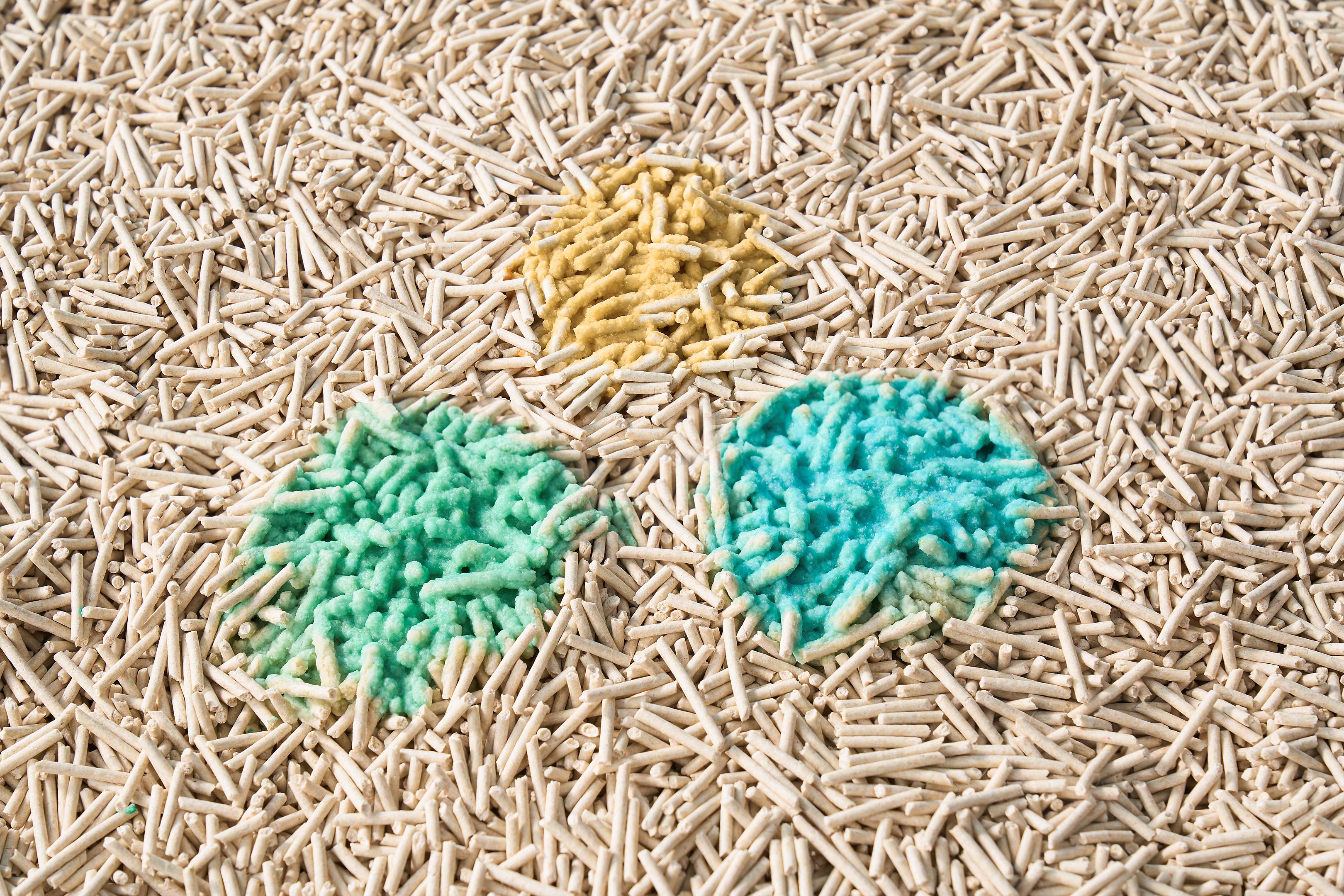
Health monitoring cat litter uses specialized granules that react to pH shifts, blood, or certain metabolites in cat urine. These products change color in soiled areas to alert owners about potential issues. Color-changing technology in health monitoring cat litters can also signal invisible blood in urine, providing an early warning sign that might otherwise go unnoticed.
-
The integrated pH indicator reacts instantly to urine:
-
Turns blue when alkaline
-
Turns orange when acidic
-
Fresh Step's health monitoring litter can indicate alkaline urine, which is associated with bladder stones or urinary tract infections.
These litters can provide early hints of urinary infections, crystals, or kidney disease—conditions where male cats face life-threatening blockages within 24-72 hours if untreated. Brands like Pretty Litter have popularized this technology, though exact meanings vary by product.
Important limitations to understand:
Diet changes, stress, and medications can temporarily alter urine chemistry. A single brief color change without other symptoms may not indicate serious disease. However, persistent signals over 24 hours—especially combined with straining, vocalization, or blood spots—demand prompt veterinary attention.
These features contribute to your cat's well being by allowing early detection of health issues.
Choosing Healthier Litter Types
Selecting the right litter requires balancing health concerns with practical needs. Here’s how major categories compare through a health lens:
Clumping Clay Litter
-
Pros: Excellent scoopability, easy to remove clumps
-
Cons: 20-50% dust generation, bentonite ingestion risks, environmental concerns from strip mining
-
Best avoided for cats with respiratory issues
Silica Gel Litter
-
Pros: Superior odor control, lightweight, absorbs 40x its weight
-
Cons: Sharp granules causing paw injuries (15% higher in trials), potential silica dust exposure
-
Monitor long-haired cats for ingestion from fur and paws
Plant-Based Options (pine, paper, corn, wheat, walnut, grass)
-
Pros: Under 5% dust, 90% biodegradable, generally digestible if ingested
-
Cons: Strong natural scents may trigger allergies; food-like aromas may encourage nibbling
-
Watch for mold in humid climates
Start with an unscented, low-dust, fine-texture litter. Adjust based on your cat’s preferences, existing medical issues, and household needs like multi cat households requiring stronger odor control.
When transitioning between litter types, mix 25% new with 75% old over 7-10 days to prevent stress-induced cystitis.
Litter Boxes and Stress
A cat’s litter box environment plays a major role in their emotional well-being and overall health. Cats are naturally fastidious creatures, and even minor changes in their litter box setup can cause significant stress. When a litter box is not kept clean or the wrong cat litter is used, cats may develop anxiety, leading to litter box avoidance. This behavior not only results in unwanted messes around the house but can also signal deeper health concerns if left unaddressed.
Choosing the right cat litter is essential for creating a comfortable and inviting space for your feline companion. The right cat litter should feel pleasant under your cat’s paws, control odors effectively, and be easy to keep clean. A clean litter box, maintained with regular scooping and the right litter, helps reduce stress and encourages consistent litter box use. This, in turn, supports your cat’s overall health by minimizing the risk of urinary tract issues, infections, and behavioral problems.
For cat owners, paying attention to your cat’s litter box habits and promptly addressing any signs of litter box avoidance can make a significant difference in your cat’s health and happiness. By prioritizing a clean litter box and selecting the right cat litter, you create a stress-free environment that supports your cat’s well-being every day.
Healthy Litter Box Setup and Daily Maintenance
Even the best litters become problematic if the cat litter box is too small, too dirty, or poorly located. Stress from inadequate setups contributes to idiopathic cystitis in 60% of feline lower urinary tract disease cases.
Box quantity and sizing:
-
Provide at least one box per cat plus one extra (three boxes for two cats)
-
Size boxes at least 1.5 times your cat’s body length
-
Use low-sided boxes for seniors or arthritic cats
-
Consider self cleaning litter boxes or automatic litter boxes for consistency, though manual oversight remains important
Daily maintenance routine:
|
Task |
Frequency |
|---|---|
|
Scoop clumps and cat feces |
1-2x daily (twice for multiple cats) |
|
Top up litter depth |
Maintain 3-4 inches |
|
Full empty and wash |
Every 2-4 weeks with unscented soap |
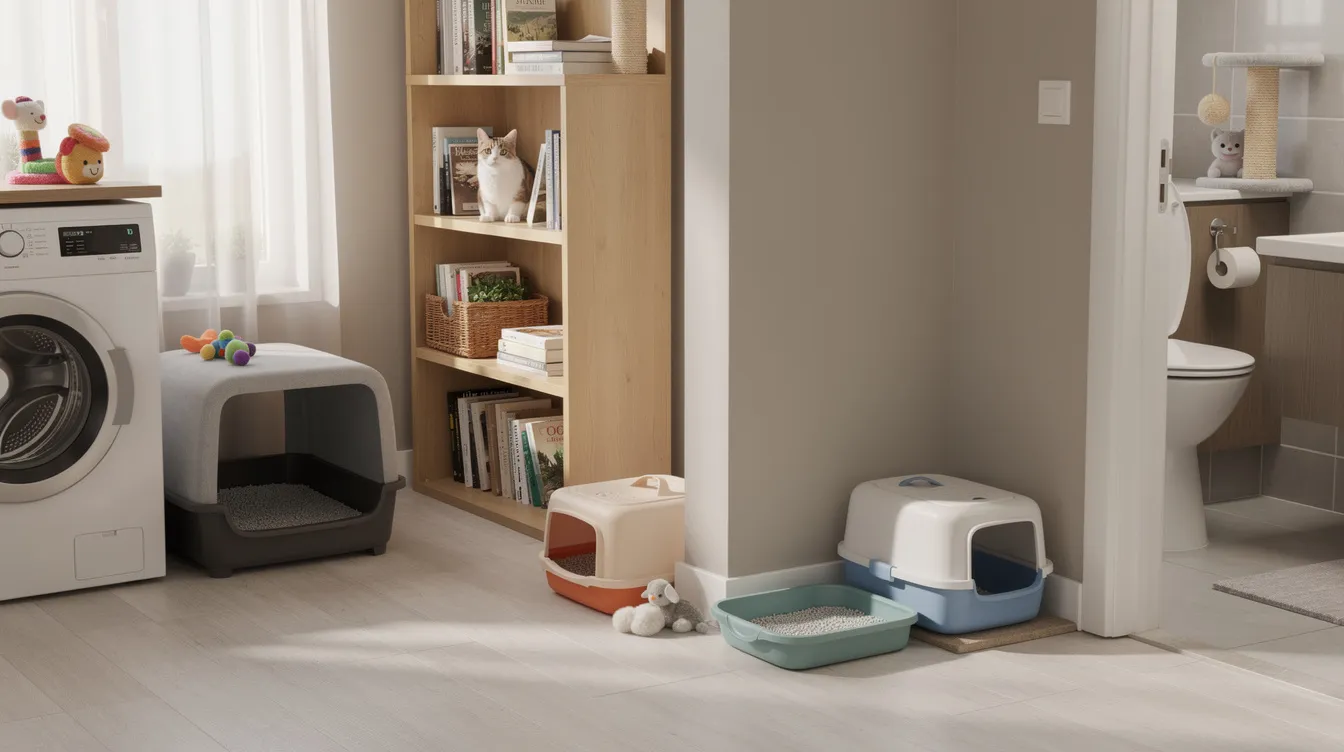
Locate boxes in quiet, well-ventilated areas away from food bowls and noisy appliances. Avoid placing multiple boxes side-by-side where strong odors and stress accumulate. A clean litter box in the right spot makes life easier for everyone.
Recognizing Litter-Related Health Warning Signs
Many early health problems first appear as subtle changes in litter box behavior. Your cat’s behavior around the box often signals issues before other symptoms develop. Changes in your cat's behavior, such as reluctance to use the litter box or altered elimination habits, can indicate underlying health or litter issues.
Urinary red flags to watch for:
-
Straining without producing urine (emergency in males)
-
Frequent small clumps instead of normal volumes
-
Blood-tinged litter or visible red/pink coloration
-
Strong ammonia smell despite regular cleaning
-
Urinating outside the box after years of normal habits
If your cat suddenly starts avoiding their litter box or having accidents, it's important to consider other potential factors.
Stool-related warning signs:
-
Sudden diarrhea or very hard, dry stools
-
Mucus or visible blood
-
Note: Dusty or heavily perfumed litters can mask important odor clues about feline health
Male cats who appear unable to urinate, cry in the box, or constantly visit with no output need emergency veterinary care within hours. Urinary blockages prove life-threatening in as little as 24-72 hours. Litter box avoidance combined with distress signals demands immediate attention.
Keep a simple log for 3-5 days if you notice changes—recording frequency, clump size, and any color changes—to share with your veterinarian for more accurate diagnosis.
Both you and your feline friend benefit from this vigilance. Early detection of urinary tract problems, kidney stones, or other health issues dramatically improves outcomes.
Frequently Asked Questions
How often should I completely change out cat litter for health reasons?
In a typical one- or two-cat household using clumping litter, fully replace all litter and wash the box every 2-4 weeks, even with daily scooping. For three or more cats, increase this to every 1-2 weeks. Saturated litter harbors bacteria and releases ammonia that can cause flu like symptoms, sore throats, and respiratory irritation in both humans and cats. Keeping the litter box clean prevents these issues from developing.
Is scented litter bad for my cat’s health?
Many cats dislike strong perfumes, which can cause sneezing, watery eyes, or complete litter box avoidance. The volatile organic compounds in fragrances may worsen conditions in cats and humans with asthma or allergies. Choose unscented or very lightly scented formulas, especially for cats already showing respiratory sensitivities. If your cat avoids the box or sneezes frequently, the smell itself may be the problem.
Can switching litter suddenly make my cat sick?
Abrupt changes can cause stress-induced cystitis, with risk spiking up to 10 times after sudden switches. This may lead to urinary retention, constipation, or accidents outside the box. Mix new litter with old in increasing proportions over 7-10 days. Start with 25% new litter, then increase to 50%, 75%, and finally 100% to ease the transition without triggering the cat’s well being concerns.
Are flushable or biodegradable litters safer for my cat?
“Flushable” and “biodegradable” describe environmental impact, not direct health effects. Plant-based litters often produce less dust and break down more safely if ingested, but not all biodegradable options are equally gentle. Check for low dust, absence of harsh fragrances, and appropriate texture regardless of whether the litter is plant-based or clay. Pet owner priorities should include both environmental and health considerations.
Do I still need a vet if my health-monitoring litter shows a color change but my cat seems fine?
Persistent or repeated color changes over 24-48 hours warrant a non-urgent veterinary appointment to check your cat’s urinary health. Transient shifts from diet, medications, or dehydration can occur without underlying pathology. However, any color change combined with straining, pain, metabolic acidosis symptoms, or blood should be treated as urgent. These litters are screening tools, not diagnostic replacements—your veterinarian can perform urinalysis to confirm whether the color change indicates actual kidney disease, urinary infections, or other concerns requiring treatment.
Because cats interact with their litter box multiple times every day, the type of litter you choose can have a long-term impact on their overall wellbeing. Factors like dust levels, texture, odour control, and cleanliness all influence respiratory comfort, paw health, stress levels, and even litter box habits over time.
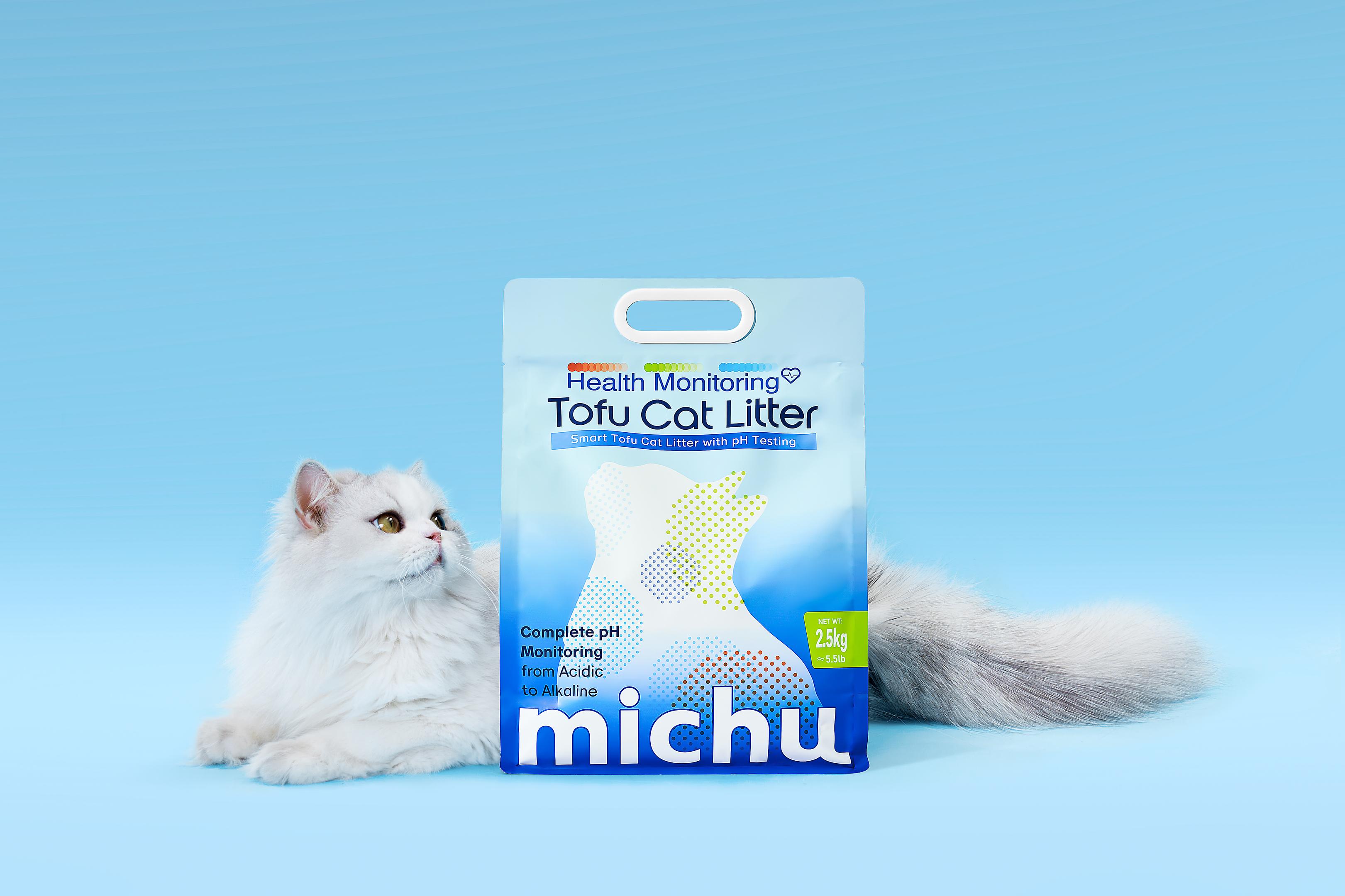
For many cat owners, low-dust and plant-based options like Michu Tofu Cat Litter are preferred because they help reduce airborne particles while providing a softer, more comfortable texture for sensitive paws. For households that want additional insight into urinary health, the Michu Health Monitoring Tofu Cat Litter is designed to help identify potential changes in urine conditions through visible colour indicators, supporting earlier awareness of possible health concerns.
Maintaining a fresher litter area is equally important, especially in smaller indoor spaces where odours and ammonia can build up quickly. Products like the Michu Cat Litter Deodorizer can help improve the litter box environment without relying on overpowering artificial fragrances, creating a cleaner and more comfortable space for both cats and owners.
You can explore these cat care essentials through Michu to help support a healthier everyday litter routine for your cat.