


Introduction to Feline Communication
Cat sounds are a key part of how your feline friend communicates. This article covers the types of cat sounds, what they mean, and how to respond—specifically for cat owners and enthusiasts who want to improve their relationship with their cat. Understanding cat sounds matters because it helps you interpret your cat’s needs, emotions, and well-being, leading to a stronger bond and a happier, healthier pet.
One of the most expressive features of a cat is its ears. A cat’s ears are highly sensitive and anatomically designed for exceptional hearing, with external ear flaps (pinnae) that can rotate independently to help localize sounds and detect prey. The structure and movement of a cat’s ears not only aid in balance but also play a crucial role in their ability to communicate non-verbally. Compared to a dog, a cat’s senses—especially hearing, vision, and smell—are even more highly developed, making cats exceptional predators and allowing them to navigate their environment with remarkable precision.
Kittens learn to communicate with their mother and littermates through both vocal and non-vocal cues. For example, kittens may make distress calls when they are hungry, cold, or in discomfort, prompting their mother to respond. As they grow, they also rely on body language, such as ear and tail position, to convey their feelings.

Evolutionary Origins of C![]() at Sounds
at Sounds
The sounds our feline friends make today are deeply rooted in their evolutionary history. Domestic cats (Felis catus) have inherited a remarkable vocal range from their wild ancestors, allowing them to communicate effectively with other cats, animals, and even humans. Over thousands of years, these vocalizations have adapted to serve a variety of purposes, from signaling contentment with a gentle purr to expressing fear or aggression with a sharp hiss.
Adult cats use their voices not just to interact with other cats, but also to navigate their environment and communicate with other animals. For example, a low growl can warn off potential threats, while a rhythmic purring sound often signals relaxation or a desire for physical contact. Meowing, interestingly, is a sound that has become more prominent in domestic cats as a way to communicate specifically with humans—something rarely observed in wild felines.
The ability to produce such a diverse range of sounds gives cats a unique advantage. Whether they’re alerting their humans to a need, establishing territory among other cats, or responding to the presence of other animals, these vocalizations reflect a finely tuned adaptation to both their social and physical environment. By understanding the evolutionary origins of these sounds, we gain deeper insight into the emotional state and needs of our feline companions, helping us respond more effectively to their cues.
Non-vocal Communication: Beyond Meows and Purrs
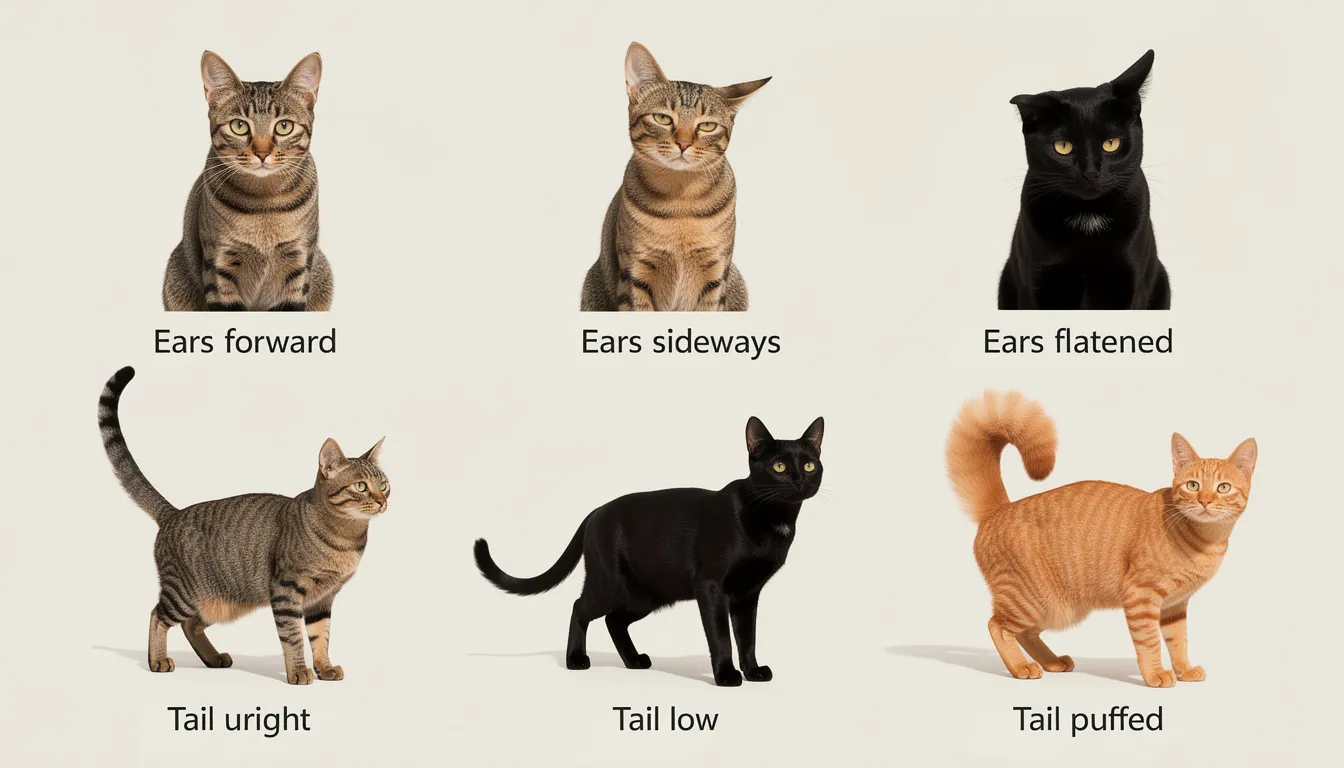
While meowing and purring are the most recognizable ways cats communicate, domestic cats—Felis catus—rely just as much on non-vocal cues to express themselves. Adult cats, in particular, use a sophisticated blend of body language, ear movements, and even subtle changes in their eyes to convey their emotional state and intentions to other cats, animals, and humans.
One of the most expressive features of a cat is its ears. Cats’ ears are not only fine-tuned to hear sounds at a similar range to humans, but they can also rotate up to 180 degrees to pinpoint sounds and amplify sound waves. This ability helps cats detect the faintest rustling noises or random sounds in their environment, whether they’re hunting prey or simply staying alert to changes around them. The position and movement of a cat’s ears can signal curiosity, agitation, or relaxation, giving you valuable insight into your feline friend’s mood.
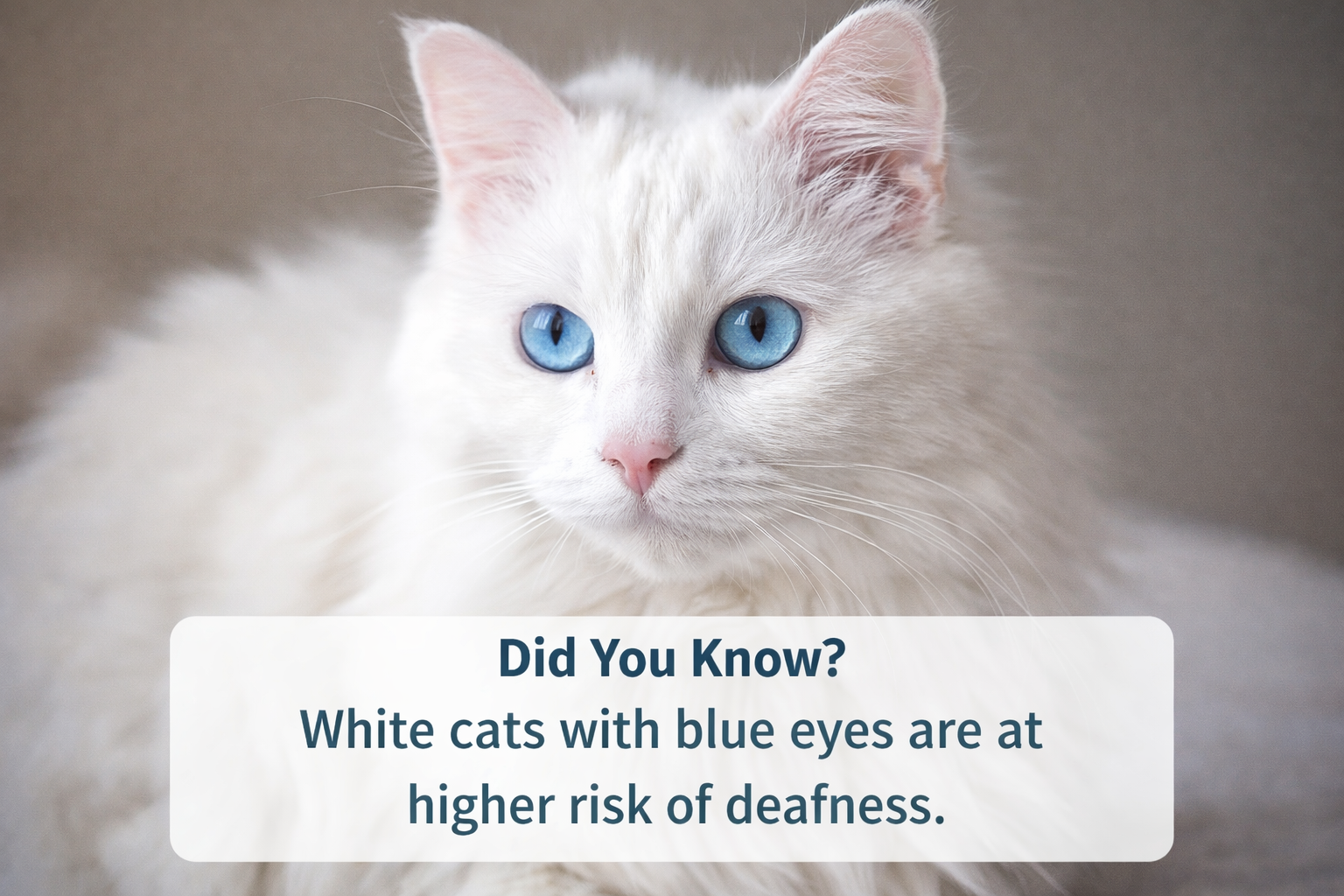
Vision also plays a crucial role in non-vocal communication. In bright light, a cat’s eyes may appear calm and subdued, but in dim light, their eyes seem to glow thanks to a special reflective layer called the tapetum lucidum. This adaptation allows cats to see and hunt effectively in low light, and their intense gaze can communicate everything from affection to a warning. White cats, especially those with two blue eyes, are more prone to deafness, which can affect how they respond to sounds and rely more heavily on visual and physical cues to interact with their environment and caregivers.
On Animal Planet and in real-life observations, you’ll notice that cats use their entire bodies to communicate. A flick of the tail, a twitch of the whiskers, or a gentle head bump can all be ways your cat is trying to tell you something. Physical contact, such as rubbing against your legs or another cat, is a common way for cats to mark territory, show affection, or establish social bonds with other cats and animals.
Kittens learn the art of non-vocal communication from a young age. Before they can meow loudly, they use high-pitched distress calls and body language to signal hunger or discomfort to their mother. As they grow, these skills help them interact with other cats and navigate their world, even as their sense of hearing and vision changes with age.
Cats’ sense of hearing is incredibly sensitive, allowing them to detect high-pitched noises and pinpoint the location of prey or other animals. Even as cats age and their hearing or vision may decline, their ability to use non-vocal cues—like body posture and physical contact—remains strong. If you notice your cat isn’t responding to sounds as they used to, especially if they are a white cat with blue eyes, it’s important to consult a vet to check for deafness or other health concerns.
By paying attention to these non-vocal signals, you can better understand your cat’s needs and emotional state. Appreciating the full range of your cat’s communication—beyond just the sounds they make—will help you build a deeper, more trusting relationship with your feline companion, ensuring they feel safe, understood, and loved.
The Domestic Cat’s Vocal Range
Frequency Range
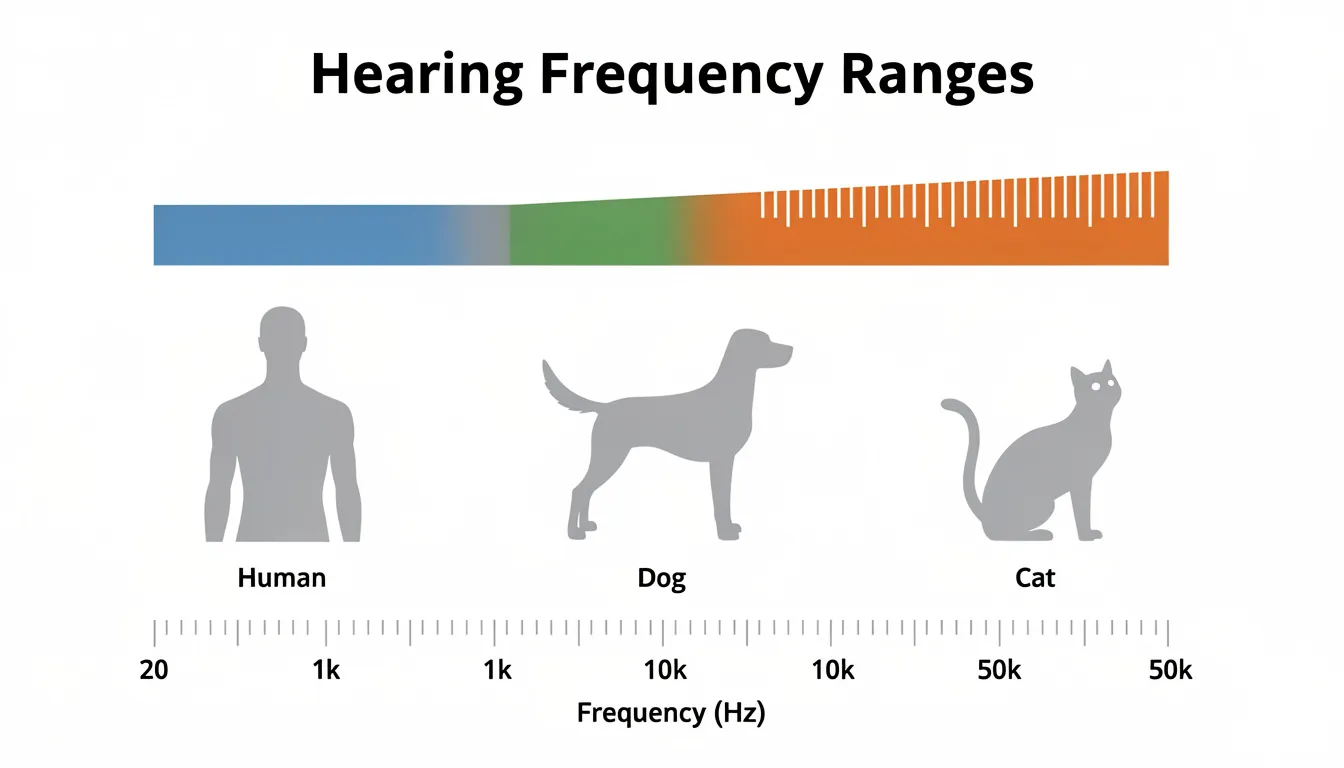
The domestic cat, also known as Felis catus, has an impressive hearing range. Cats hear sounds up to 64 kHz, which is higher than the range of humans and many other mammals, including dogs and canines. While cats can hear much higher frequencies, cats and humans share a similar range on the low end of the frequency spectrum. The low end of the cat's hearing range is comparable to that of humans.
Common Cat Sounds
Cats produce a variety of vocalizations, each with its own meaning and purpose. Here are some key terms and their definitions:
-
Meowing: A vocalization used primarily to communicate with humans. It can signal requests, greetings, or attention-seeking.
-
Purring: A rhythmic sound, characterized by a relaxing, continuous rumble that varies in intensity. It is often associated with contentment or self-soothing.
-
Hissing: A sharp, sibilant sound produced when a cat feels threatened or fearful.
-
Growling: A deep, guttural sound that serves as a warning signal from cats, indicating annoyance, fear, or anger. It is distinct from similar vocalizations like snarls and yowls.
-
Mewling: A kitten’s distressed meow, often used to call for their mother.
-
Screaming: A loud, long vocalization that resembles a scream, commonly made by stray, unspayed female cats as part of their mating behavior.
Emotional Communication
-
Hissing and growling are typically associated with fear or aggression, while purring often indicates contentment.
-
Meowing is commonly used to communicate with humans, and its tone and frequency can reflect a cat’s emotional state, such as hunger, pain, or distress.
Now that we've explored the variety of sounds cats can make, let's look at how they perceive these sounds.

Developmental Stages of Cat Vocalization
From the moment they’re born, kittens rely on sound to connect with their mother and littermates. Their first vocalizations are high-pitched cries, which serve as a vital distress call when they’re hungry, cold, or seeking comfort. As their sense of hearing develops, kittens begin to recognize and respond to the sounds around them, including the voices of their human caregivers and the subtle noises made by other cats.
Around 4 to 6 weeks of age, kittens start to experiment with a wider variety of sounds. They begin to meow, purr, and even produce tiny hisses as they interact with their environment and learn from their mother. These early vocalizations are essential for building social bonds and expressing their emotional state, whether they’re feeling playful, anxious, or content.
As cats mature, their vocal skills become more refined. Adult cats use a sophisticated array of sounds to communicate with other cats and humans, tailoring their vocalizations to suit different situations. While most cats develop a keen sense of hearing to help them interpret and respond to sounds, some white cats with blue eyes may experience deafness, which can affect their ability to hear but not their capacity to produce vocalizations. This is because the brain and nervous system control the production of sounds, allowing even deaf cats to meow, purr, and express themselves just like their hearing counterparts.
Understanding these developmental stages helps cat owners recognize the importance of early socialization and attentive care, ensuring that kittens grow into confident, communicative adult cats. By paying attention to the sounds your cat makes at every stage of life, you can better support their emotional well-being and strengthen your bond with your feline friend.
How Cats Perceive Sound
Ear Structure
Cats have fine-tuned ears with a unique structure, including highly mobile pinnae (the external part of the ear), that can amplify sound waves 2-3 times. This allows them to catch and enhance even the faintest sounds.
Sound Localization
Their ears can rotate up to 180 degrees to detect faint rustling noises and sounds, making them highly sensitive to their environment. Cats hear sounds four to five times farther than humans, giving them a unique advantage when hunting or detecting prey in low light conditions. Their head movements work together with their ears to help localize the source of a sound.
Hearing Loss in Cats
White cats, especially those with two blue eyes, are prone to being deaf in one or both ears due to a genetic trait linked to the white coat and blue eye color. This is due to a genetic trait linked to the white coat and blue eye color. This deafness often occurs on the same side as the blue eye. The risk of congenital deafness (hearing loss present from birth) increases with age, and hearing abilities may decline as cats get older. Cats use their sense of hearing to detect physical contact and air movements, aiding their navigation and hunting abilities.
Understanding how cats perceive sound helps us better interpret their vocalizations and needs. Next, let’s learn how to decipher cat language and what their different sounds mean.
Deciphering Cat Language
Types of Cat Sounds
Feline friends use a rich variety of sounds to communicate, and each vocalization carries its own meaning. Here are some common cat sounds and what they typically mean:
-
Gentle meowing: May signal a request for attention or food.
-
Persistent or high-pitched meow: Could indicate anxiety or an urgent need.
-
Purring: Often associated with contentment, but can also be a way for cats to comfort themselves when unwell or stressed.
-
Hissing: Usually a sign of fear, discomfort, or a warning to stay away.
-
Growling: Indicates aggression, discomfort, or a defensive state.
-
Screaming: Most often heard during mating season, especially from unspayed females.
Interpreting Cat Language
-
Pay close attention to your cat’s body language—such as the position of their ears, tail, and overall posture—along with their vocalizations.
-
Deciphering cat language helps strengthen the bond between you and your feline companion, ensuring that you can respond to their needs and create a more harmonious home environment.
By understanding these vocalizations, you’ll be better prepared to recognize when your cat is in distress or simply seeking attention. Now, let’s discuss how to respond when your cat is in distress.
Responding to Distress
-
Cats in distress may exhibit loud or sudden vocalizations, such as a distress call, to signal their need for attention or care.
-
Kittens, in particular, may require more attention and care when in distress.
Steps to Respond
-
Listen to your cat’s sounds and observe their body language for signs of distress, such as meowing, hissing, or growling.
-
Respond promptly to their needs, whether it’s providing food, comfort, or veterinary care.
-
Consult a vet if you notice signs of hearing issues, ear infections, or persistent distress.
-
Offer positive reinforcement (such as a treat) or comfort to help reduce your cat’s stress and anxiety.
By responding to your cat’s distress signals, you can help reduce their stress and anxiety, promoting a healthier and happier relationship. Next, let’s explore how a cat’s senses and environment influence their behavior.
Feline Hearing and Environment
Sensory Adaptations
-
Cats rely on multiple senses, including hearing, vision, and smell, to navigate their environment.
-
Their vision is highly adapted for hunting and moving in low light conditions, allowing them to detect movement and prey at dawn or dusk.
-
Cats also have an acute sense of smell, which helps them detect prey and navigate their surroundings with precision.
Environmental Awareness
-
Feline hearing is highly sensitive, and cats can detect sounds in their environment, including rustling noises and random sounds.
-
Their legs play a crucial role in movement, balance, and environmental awareness, working together with their senses to help them hunt and explore.
-
The mouth is important for taste and prey detection, further enhancing their ability to interact with their environment.
Enrichment and Well-being
-
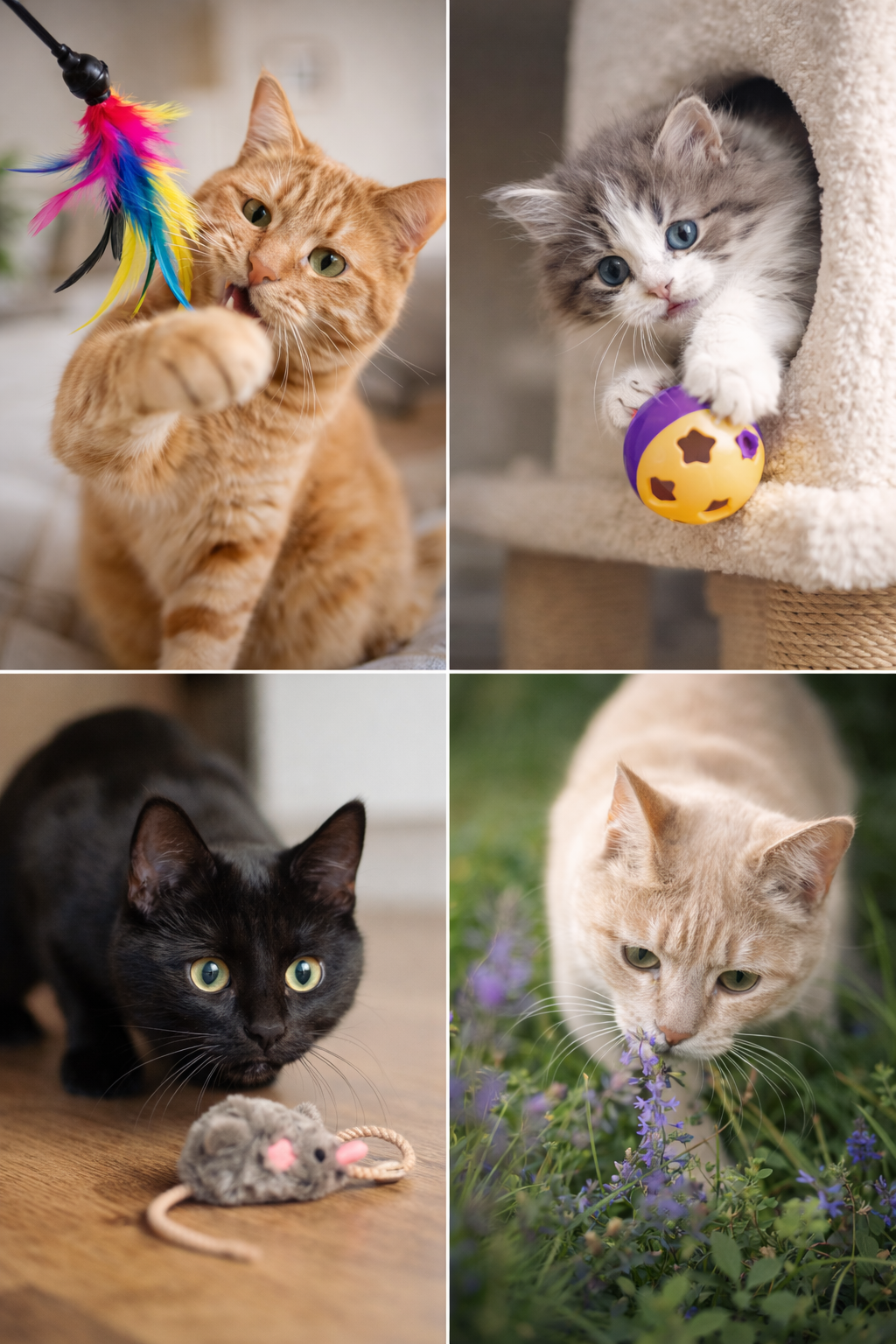
Playing with objects provides sensory stimulation for cats, engaging their senses and natural behaviors.
-
Providing a toy is important to enrich a cat's environment and stimulate their senses, supporting their mental and physical health.
-
The environment can affect a cat’s hearing, with loud noises or sounds potentially causing stress or anxiety, making it essential to provide a calm and comfortable environment.
-
Cats, including domestic cats, have adapted to their environment, using their sense of hearing to survive and thrive in various conditions.
By understanding the importance of feline hearing and environment, you can create a more comfortable and stimulating space for your cat, promoting their overall well-being. Now, let’s summarize the key points and answer some frequently asked questions.
Conclusion and Further Understanding
Understanding cat sounds and language is essential for building a strong bond with your feline companion and providing the necessary care and attention. Cats, including domestic cats, have a unique sense of hearing and vocal range, making them fascinating animals to study and care for. By listening to your cat’s sounds and responding to their needs, you can promote a healthier and happier relationship, reducing stress and anxiety. Further understanding of cat behavior and communication can help you better care for your feline friend, providing a more comfortable and stimulating environment. By exploring the fascinating world of cat sounds and language, you can deepen your connection with your cat and improve your relationship, making it a more rewarding and enjoyable experience.

Frequently Asked Questions (FAQ) About Cat Sounds
What do different cat sounds mean?
-
Meowing: Usually a request for attention, food, or interaction with humans.
-
Purring: Often a sign of contentment, but can also indicate self-soothing or discomfort.
-
Hissing: A warning sign, typically indicating fear, discomfort, or aggression.
-
Growling: Signals aggression, discomfort, or a defensive state.
-
Screaming: Most often associated with mating behavior, especially in unspayed females.
-
Mewling: A kitten’s call for their mother, often indicating hunger or distress.
How can I tell if my cat is in distress from their sounds?
-
Listen for sudden, loud, or persistent vocalizations that are out of the ordinary for your cat.
-
Watch for accompanying body language, such as flattened ears, a puffed-up tail, or crouched posture.
-
If your cat’s vocalizations are paired with changes in behavior, appetite, or grooming, consult a veterinarian.
Why do white cats with blue eyes often have hearing problems?
-
This is due to a genetic trait linked to the white coat and blue eye color, which increases the risk of congenital deafness (hearing loss present from birth).
What should I do if I suspect my cat has hearing loss?
-
Consult your veterinarian for a professional assessment and advice on how to best support your cat’s needs.
How can I enrich my cat’s environment to support their senses?
-
Provide toys, scratching posts, and interactive play to stimulate their senses.
-
Ensure a calm, safe environment free from excessive loud noises to reduce stress.