


If you share your home with cats, you already know the drill: one missed litter box scoop or a hidden accident behind the couch, and the entire room smells like a chemical plant. Cat urine odor is uniquely intense, and it only gets worse with time. Here's what actually causes it, when to worry, and how to keep your home smelling livable.
Key Takeaways
-
Cat urine has a strong odor due to high concentration and chemical compounds, including urea (which bacteria break into ammonia) and sulfur-based molecules that produce a skunk-like scent as urine decomposes.
-
Unneutered male cats, older cats, dehydrated cats, and those with health issues like urinary tract infections, kidney disease, or feline diabetes often produce especially strong smelling cat urine.
-
Sudden changes in urine smell, color, or frequency are not normal and should prompt a veterinarian visit within a day or two.
-
Consistent litter box maintenance, the right cat litter, and enzyme based cleaners are your best tools for odor control at home.
Why Does Cat Pee Smell So Bad Compared to Other Animals?
You walk into a room and immediately get hit by that sharp, eye-watering cat pee smell. It clings to rugs, clothes, and furniture in a way that dog or human urine simply doesn't. Why does cat pee smell so bad compared to other animals urine?
The answer starts with evolution. Felines evolved to conserve water and produce concentrated urine. Domestic cats descended from desert animals, and their kidneys are built to extract maximum water from waste, resulting in highly concentrated urine with a urine specific gravity often exceeding 1.040. Less water means less dilution of waste products, and that means a far more pungent urine smell per drop.
Cat urine contains urea, which breaks down into ammonia within hours. It also contains uric acid, which forms stubborn crystals, and cat urine contains felinine, which breaks down into strong sulfurous odors that give cat pee its distinctive smell. Fresh cat urine typically has a less offensive smell than aged urine, but once bacteria decompose urea into ammonia, the scent sharpens fast. Indoor environments amplify the problem: less airflow means pee smells build up quickly in litter boxes, carpets, and soft furnishings.
The Chemistry Behind Cat Urine Odor
Understanding the chemistry behind the smell of cat pee explains why it's so persistent and hard to eliminate.
When urine sits in a litter box or on a surface, bacteria split urea into ammonia, producing that classic ammonia smell within a few hours. This is why an unscooped litter box can make an entire room reek overnight. Over the next 24–72 hours, the decomposition process intensifies. Uric acid and other waste products crystallize, and mercaptans are released as urine ages, adding to the smell. These mercaptans contain the same compounds found in skunk spray, which is why old cat pee has that unmistakable skunky edge.
Dried urine leaves uric acid crystals that retain odors when reactivated by humidity or moisture. These crystals bond tightly to porous materials like carpet, grout, and wood, which is why a urine stain can seem clean but then smell bad again on a humid day. Cat urine also contains unique chemicals for territorial scent marking, making it particularly pungent compared to other species. Residual urine can continue to emit odor if not cleaned with enzyme cleaners designed to break down these stubborn compounds.
Normal vs. Abnormally Strong Cat Pee Smell
Not all strong smelling urine is a crisis. Cat owners need to know the difference between "normally strong" cat urine smell and warning-sign odors that suggest something is wrong.
Healthy cat urine is typically clear to pale yellow, with a consistently pungent odor that doesn't change dramatically from day to day. Unneutered male cats have the strongest urine odor because high hormone levels drive production of felinine and other scent-marking compounds. Neutering usually reduces this strong odor significantly. Older cats often have stronger-smelling urine due to kidney efficiency changes, though a sudden change in scent is still a red flag.
Watch for abnormal pee smells: suddenly fishy, unusually sweet or fruity, extremely ammonia-like overnight, or paired with visible blood, cloudiness, or mucus. These patterns point to potential health issues that need veterinary attention.
Common Reasons Your Cat's Pee Smells So Bad
Some cat urine odor is unavoidable, but several factors can push it from "expected" to "unbearable." Here are the most common culprits:
-
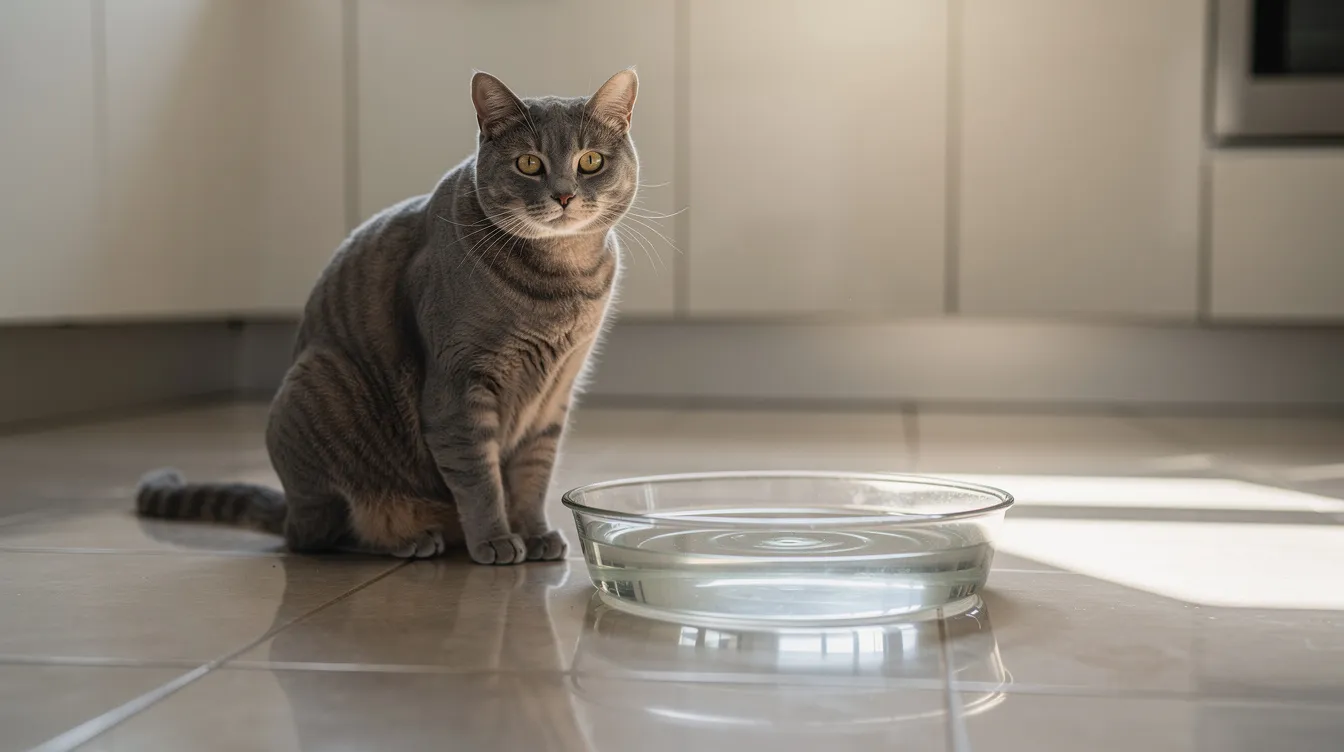
Diet and hydration: High-protein diets can produce stronger-smelling cat urine because more protein means more urea for bacteria to convert into ammonia. Certain cat foods with low moisture can cause foul-smelling urine by concentrating waste products. Changes in your cat's diet can also affect the concentration of cat urine. A hydration level directly affects the intensity of urine odor in cats. Dehydration leads to more concentrated, stronger-smelling urine, making fresh water access critical.
-
Hormones and marking: Intact male cats spray small amounts of concentrated urine loaded with pheromones. This marking behavior often goes unnoticed behind furniture until the urine decomposes and the pungent odor becomes overwhelming.
-
Environmental factors: Multiple cats sharing too few boxes, small apartments, and poorly ventilated rooms all worsen overall cat urine odor. More pee in the same limited space means the smell compounds fast.
-
Individual variation: Some cats naturally produce slightly stronger smelling cat urine than others, but persistent, extreme odor always deserves a closer look at your cat's behavior and health.
Health Issues That Can Change Cat Urine Smell
A sudden change in cat pee smell, frequency, or appearance often points to a medical issue. Don't ignore it.
-
Urinary tract infections: Medical conditions like urinary tract infections can increase urine odor, making it unusually sour or fishy. Frequent urination may suggest a urinary tract infection, especially if your cat is straining or crying in the box. Research shows that 22–29% of cats with chronic kidney disease test positive for UTIs, often without obvious symptoms.
-
Kidney disease: Common in senior cats, kidney disease can alter urine volume and concentration. Strong-smelling urine can indicate dehydration or kidney disease, and a 2025 Iwate University study found that cats with severe renal disease actually produced less felinine, potentially leading to weaker-than-expected odor.
-
Feline diabetes: Sweet-smelling urine can indicate diabetes in cats. Diabetic cats often drink and eat more while losing weight, producing copious, syrupy-smelling pee.
-
Dehydration: Dehydration leads to sharper smelling urine due to higher concentration, which can happen in hot weather, after illness, or in cats fed exclusively dry food.
Cloudy or dark urine can signal a medical problem. Any blood in urine, inability to pee, or crying in the box is an emergency. The Cornell Feline Health Center and most experts in veterinary medicine recommend same-day care for blocked cats, especially male cats.
Environmental Factors, Litter Boxes, and Odor Build-Up
Even a healthy cat's pee smells terrible if litter boxes aren't maintained properly. Unclean litter boxes contribute to worsening odors from cat urine, and litter box cleanliness directly impacts urine odor in your home.
When urine sits in an unscooped box, urea breaks down continuously, turning your litter box into a concentrated ammonia source. Clean the litter box daily to reduce odors. Litter should be changed regularly to prevent odors from building up between full replacements.
Best-practice ratios matter: use one more litter box than the number of cats. If you have one cat, keep two litter boxes. With multiple cats, three or more boxes prevent overcrowding and repeat accidents. Never expect all the litter to stay fresh if you crowd too many cats onto one litter box.
Different types of cat litter handle cat pee odor differently. Clumping clay, silica crystals, wood pellets, and paper-based litters all vary in absorption and odor control. Choose litter that absorbs moisture and controls odors effectively; some formulas are specifically designed for strong smelling cat urine.
Covered boxes, placement in well-ventilated areas, and regular full litter changes all play roles in keeping your home a fresher home. Cat pee outside the box, on carpets, cushions, or wood floors, smells worse because it often isn't discovered until the urine fully decomposes.
Practical Ways to Reduce Cat Pee Smell in Your Home
You can't eliminate cat urine odor entirely, but you can dramatically reduce cat pee smell with consistent habits and the right products.
Daily and weekly routines:
-
Scoop at least once or twice daily, maintaining 2–3 inches of cat litter depth
-
Fully replace litter and wash boxes every 2–4 weeks
-
If your box isn't cleaned regularly, odor builds regardless of litter quality
Cleaning accidents properly:
-
Use an enzymatic cleaner (not ammonia based cleaners or ammonia based products, which can actually attract cats back to the same spot)
-
Enzymatic cleaners are more effective at removing cat urine odors than standard cleaners because they break down urea and uric acid crystals at the source
-
An enzyme cleaner needs full saturation and dwell time, especially on older stains in carpet or padding
-
Baking soda can help absorb surface odor but won't address the affected area at a molecular level the way enzyme based cleaners do
Hydration and diet:
-
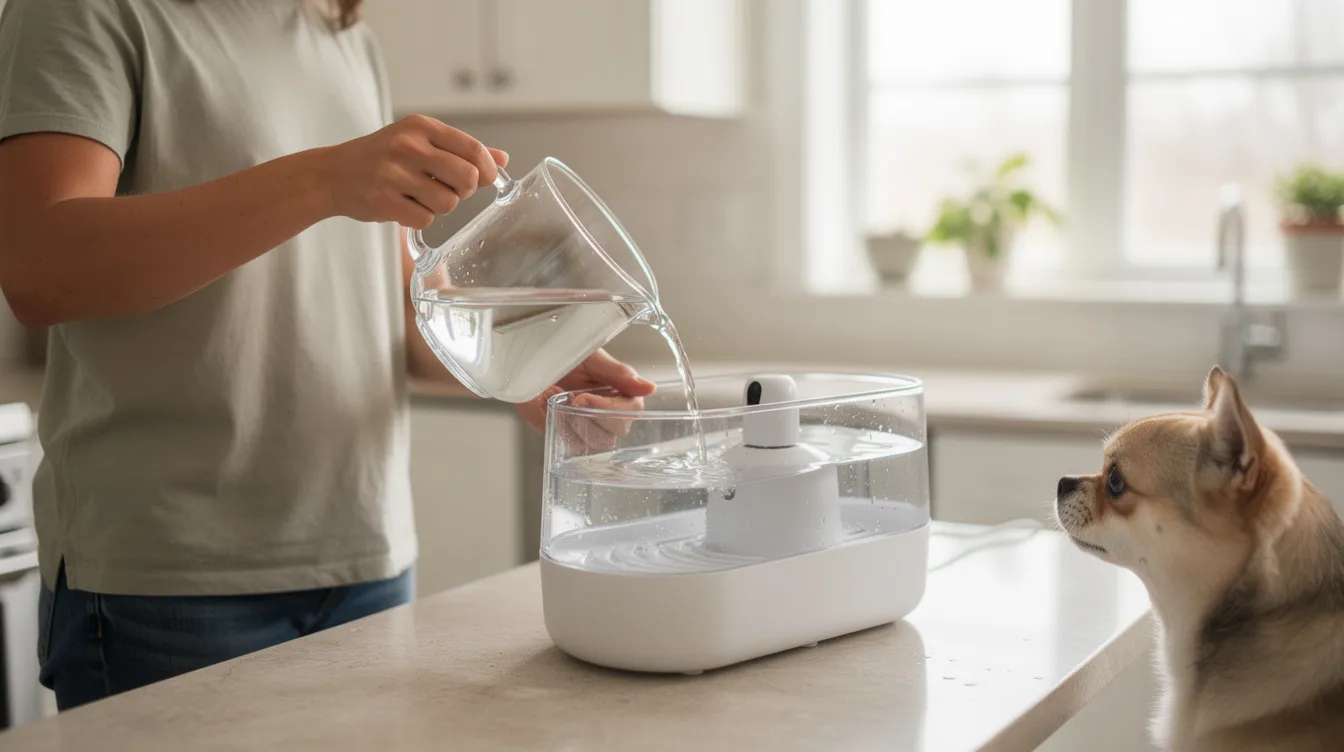
Increase your cat's water intake with multiple bowls, a water fountain, or more wet food in your cat's diet
-
A high quality diet with adequate moisture helps reduce odor by making urine less concentrated and softening the ammonia bite
Behavioral and long-term management:
-
Reduce stress from loud renovations, new pets, or schedule changes
-
Neuter male cats to reduce urine odor strength and marking behavior
-
Regular veterinary checkups help prevent health factors that worsen pungent urine over time
-
Address any sudden changes in urine smell with a vet promptly
When to Worry About How Bad Your Cat's Urine Smells
It's time to be concerned when the smell of your cat's pee is suddenly different from what you're used to, or when it's paired with behavioral or physical changes. Sudden changes in urine smell may indicate health issues that need professional attention.
Red-flag combinations to watch for:
-
Very strong or unusual odor plus peeing outside the litter box
-
Frequent small trips to the box, crying, or excessive licking of the genital area
-
Visible blood, very dark urine, a sudden change in volume, weight loss, vomiting, or lethargy
Call your veterinarian within 24 hours if you notice a persistent change in cat urine odor. Seek emergency care the same day if your cat is straining but not producing urine, as urinary blockage is life-threatening, especially in male cats.
Early diagnosis of UTIs, kidney disease, bladder stones, or diabetes protects your cat's health and usually improves the smell of cat pee as well. Paying attention to how your cat's pee smells is an easy, at-home way to catch problems before they become serious, potentially leading to better outcomes with less invasive treatment.
FAQ: Cat Urine Smell Questions Owners Often Ask
These FAQs cover several factors and concerns about cat urine odor that weren't fully addressed above. Each answer offers practical guidance for everyday cat owners.
Is cat pee toxic to humans?
Normal exposure to small amounts of cat pee in a clean home is not usually dangerous. However, cat urine does contain ammonia and bacteria that can irritate the eyes and respiratory tract in high concentrations. People with asthma, allergies, or weakened immune systems, as well as babies and pregnant people, should avoid prolonged exposure to strong cat urine odor or neglected litter boxes. Wear gloves when cleaning heavily soiled areas, ventilate rooms well, and clean cat pee promptly to minimize risks.
Why does my cat's pee smell stronger in the summer?
Higher temperatures and humidity accelerate bacterial growth and urea breakdown, making the ammonia smell from cat urine intensify faster. Cats can also become slightly dehydrated in hot weather if they don't drink more, which further concentrates their pee and increases the unpleasant smell. During summer, add extra fresh water sources, scoop litter boxes more frequently, and improve airflow near litter areas. Even created equal in design, a litter box in a hot, stuffy room will smell far worse than one in a ventilated space.
Can diet changes really make my cat's pee smell better?
While cats need animal protein, extremely high-protein, low-moisture diets can make cat urine more concentrated and intensify the cat pee odor. Feeding a balanced, high quality diet and adding moisture through wet food or mix-in water can reduce odor by making urine less concentrated, but consult your veterinarian, DVM Dr. or otherwise, before making major diet changes, especially if the cat has kidney disease, urinary issues, or other chronic conditions.
Why does my spayed or neutered cat still have strong smelling urine?
Spaying or neutering reduces hormone-driven scent and marking behavior but does not completely remove the natural strong smell of concentrated cat urine. Factors like hydration, litter box cleanliness, your cat's diet, stress, and hidden health issues can all make a fixed cat's pee smell particularly bad. Monitor for changes over several days and contact a vet if the pungent odor remains unusually intense despite good litter hygiene and no known accidents.
How long does cat urine smell last if not cleaned properly?
Cat urine can linger in carpets, padding, wood, and upholstery for months or even years because uric acid crystals stay active and can release odor again when humidity rises. Standard soap, detergent, or fragrance sprays usually only mask the smell temporarily. Only enzyme-based cleaners that break down urine compounds can truly remove cat pee odor at the source. For very old stains or severely soiled areas, replacement of carpet or sealing of subfloors may be needed to completely eliminate the urine smell and prevent repeat accidents at the same spot.
Reduce Cat Urine Odor with the Right Cat Litter
One of the most effective ways to control cat urine odor is to choose a litter that locks in moisture and neutralizes smells before they spread. The right litter not only keeps your home fresher but also makes daily scooping quicker and easier.
For reliable everyday odor control, Michu Tofu Cat Litter offers fast clumping, excellent absorbency, and a low-dust, plant-based formula that helps trap ammonia odors at the source. If you're looking for longer-lasting freshness, Michu Mixed Tofu Cat Litter Pro combines tofu and natural plant fibers to provide enhanced odor control, strong clumping, and easy cleanup. For multi-cat households or automatic litter boxes, Michu Wonder Litter delivers exceptional absorbency, durable clumps, and long-lasting odor control while producing minimal dust, making it an ideal choice for busy homes.
Whichever you choose, using a high-quality cat litter and scooping regularly is one of the simplest ways to keep your home cleaner, fresher, and more comfortable for both you and your ca