


How often to clean litter depends mostly on how many cats you have and what type of litter you use: scoop at least once a day for one cat, at least twice a day for multiple cats, and do a full litter change and box wash every 2–4 weeks, adjusting for litter type, box size, and room conditions.
For cat owners and caretakers trying to keep the litter box clean without overdoing it, that schedule matters for more than smell. A dirty box can lead to odor and bacterial buildup, make cats avoid the box, and even hide early signs of medical problems in their waste.
This page breaks down the exact scooping, changing, and deep-cleaning schedule your household needs-no guesswork required-along with how cleaning frequency changes by litter type, the main factors that affect how fast a box gets dirty, step-by-step cleaning methods, and practical tips to keep litter boxes fresher longer.
Key Takeaways
A clean litter box keeps your cat healthy, your home smelling fresh, and your cleaning process manageable. Here's the short version for skimmers:
-
One cat, clumping litter: Scoop once or twice per day; do a full litter change and wash every 2–4 weeks.
-
More than one cat: Follow the "number of cats + 1" rule for boxes, and scoop at least twice a day.
-
Litter type determines full-change frequency: Non-clumping needs a complete swap several times per week; crystal litter can stay fresh for several weeks with daily scooping.
-
Odor control comes from consistency: Regular scooping, washing with mild soap or vinegar, and a light dusting of baking soda work better than heavily scented products.
-
If pregnant or immunocompromised, avoid cleaning the litter box if possible-delegate the task to another household member.
Why a Clean Litter Box Matters for You and Your Cat
Your cat uses the litter box multiple times a day. Unlike a dog that goes outside, every bit of your cat's waste stays indoors, and odors build fast. A dirty box doesn't just smell bad-it can create real problems.
Cats may urinate less frequently in dirty litter boxes, which can lead to feline urethral obstruction, a potentially life-threatening condition. Dirty litter also increases bacteria load, can worsen asthma or allergies in humans, and pushes ammonia levels high enough to irritate everyone in the home.
Behaviorally, some cats develop litter box aversion when they regularly encounter urine puddles and feces. They may start doing their business on the bed, in the bathtub, or on rugs instead. A clean litter box promotes healthier bathroom habits in cats and keeps them from getting stuck in avoidance patterns.
Frequent scooping also helps detect medical problems early. Changes in stool consistency-like diarrhea-or unusual urine clumps can be a sign of kidney disease, UTIs, or diabetes. When litter is too dirty to read, those warning signs fall through the cracks.
How Often to Scoop the Litter Box (Day-to-Day Schedule)
Scooping means using a slotted scoop to pick out solid waste and urine clumps while leaving clean litter behind. About 60% of cat owners use clumping cat litter, which makes this process easy because clumping litter absorbs urine and forms hard clumps you can lift right out.
As a rule of thumb, here's what to aim for:
|
Household |
Scooping Frequency |
|---|---|
|
One healthy adult cat |
Scoop once or twice per day |
|
Two cats, two boxes |
Scoop morning and night |
|
Three or more cats |
2–3 scooping sessions per day |
Scoop the litter box at least once a day-or at minimum every other day if your schedule is tight. For multiple cats, scoop at least twice a day. Kittens, senior cats, and pets with medical conditions urinate more frequently, so adjust accordingly.
Use a container or lined bucket next to the box to store used litter for easy disposal. Keep plastic bags or a dedicated pail nearby so the habit stays quick and simple. If you notice visible poop piles, strong ammonia smell, or your kitty circling the box and hesitating, those are signs you need to scoop more frequently.
A self cleaning litter box reduces manual labor, but you still need to empty the waste drawer every 1–7 days depending on cat count.
How Often to Change Cat Litter Completely
When you change cat litter completely, you dump all the old material, wash the box, and refill with fresh litter. This resets odor and bacterial buildup that scooping alone can't reach.
Here's a quick reference by litter type:
|
Litter Type |
Full Change Frequency (1 Cat) |
Full Change (2+ Cats) |
|---|---|---|
|
Clumping clay |
Every 2–4 weeks |
Every 1–2 weeks |
|
Non-clumping clay |
2–3 times per week |
Every 3–4 days |
|
Wood/paper pellets |
Once or twice per week |
Every 4–5 days |
|
Silica crystal |
Every 3–4 weeks |
Every 2–3 weeks |
Non-clumping litter requires a complete change for cleaning since urine soaks through the entire box rather than forming discrete clumps. Crystal litter can stay fresh for several weeks per cat with daily scooping, saving you time and litter costs. On average, you should replace traditional clumping litter about twice a week, though diligent daily scooping can stretch that interval.
Odor-controlling litter extends time between cleanings, but don't fall into the trap of endlessly topping up without ever dumping-a saturated layer of urine and bacteria will line the bottom and no amount of fresh litter on top will fix that. Set a recurring phone reminder or mark your calendar to stay on schedule.
Factors That Change How Often You Need to Clean
No single schedule fits every home. Several variables affect how fast your litter boxes get dirty.
-
Number of cats: More cats means more waste. It's recommended to have one litter box per cat plus one extra. So if you have two cats, keep three boxes. More boxes allow individual boxes to stay usable longer, but total scooping time still increases.
-
Cat age and health: Kittens and diabetic or kidney-disease cats urinate more often. Senior cats may produce softer stools. Both situations demand more vigilant cleaning.
-
Box size and depth: Shallower or smaller boxes saturate faster. Larger, high-sided boxes with the right litter depth give you more buffer between changes.
-
Environment: Small apartments with poor ventilation or boxes placed near a radiator develop odors faster. Research suggests rooms above 60% humidity can double clumping rate and smell problems.
-
Human sensitivity: Some people are highly sensitive to scent and prefer daily scooping and weekly changes even with premium litter. That's a valid practice-keeping your home comfortable matters too.
Step-by-Step: How to Clean and Deodorize a Litter Box Safely
This section covers both your quick daily scoop and the deeper cleaning sessions that keep a cat's litter box in top shape.
Daily scooping routine:
-
Put on disposable or washable gloves.
-
Scoop clumps and feces into a bag, then dispose of the waste with household trash.
-
Level remaining litter. If depth drops below 2 to 3 inches, add fresh litter-refilling to the correct depth helps cats dig comfortably and prevents urine from pooling on the bottom.
Monthly deep clean routine:
-
Dump all litter into a trash bag (never flush cat litter, even "flushable" types).
-
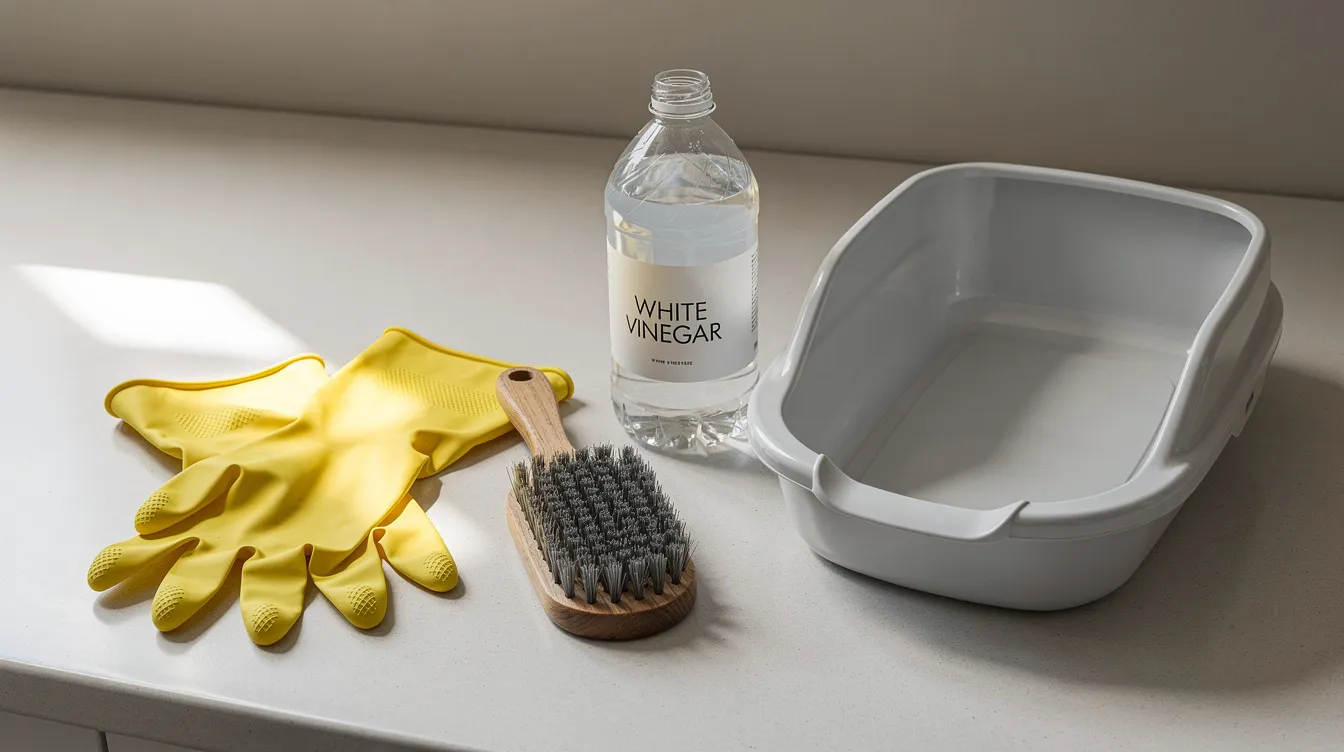
Scrub the empty box with warm water and mild, unscented soap or diluted white vinegar.
-
Avoid strong cleaners like bleach or ammonia near the litter box-these react with residual urine and leave a scent cats dislike.
-
Dry the box completely before refilling to prevent mold growth.
Wash the litter box with mild soap weekly if you notice lingering odors, and deep clean the litter box every 1 to 4 weeks depending on waste volume. A thorough deep clean of the box a few times a year-where you completely clean every surface-keeps bacteria from building up in scratched plastic. Sprinkle a thin line of baking soda along the bottom before adding litter to absorb odors naturally. Always wash hands after cleaning the litter box.
Consider replacing heavily scratched plastic boxes every 1–2 years, as grooves trap bacteria even after washing.
Extra Tips to Keep Litter Boxes Fresher for Longer
These tips help you save time and reduce odors between full cleanings.
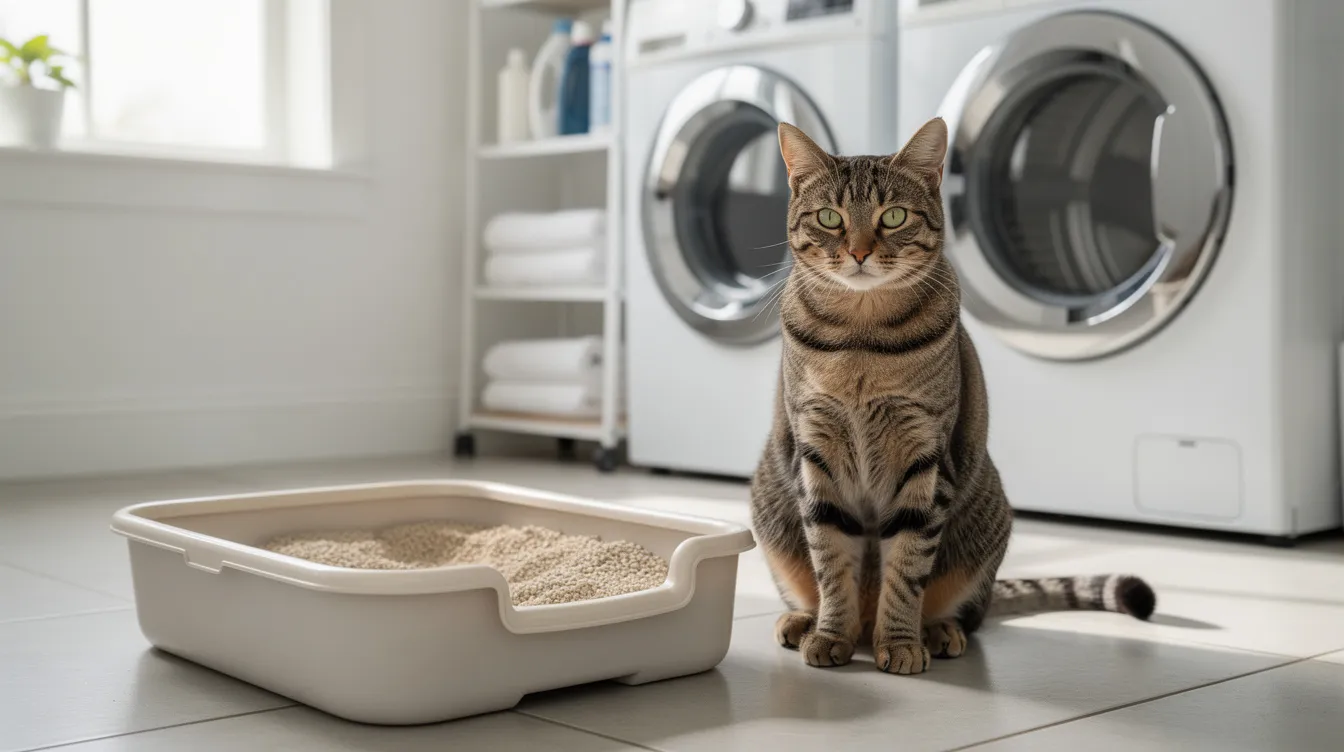
Place litter boxes in quiet, private locations with good airflow-not next to noisy washers or in tiny closets where your cat can't do its business in peace. Cats prefer spots where they feel secure, and good ventilation keeps odors from concentrating.
Use a litter mat outside each box to capture granules that get stuck to paws. Make sweeping or vacuuming the area part of your day. Underfilling the box encourages urine to pool; overfilling leads to tracking and wasted cat litter. Maintain a litter depth of 2 to 3 inches.
Covered boxes can concentrate smell if not scooped regularly, while open boxes allow better airflow and faster drying. Studies show cats prefer clean boxes regardless of style-cleanliness matters more than design.
If your cat suddenly avoids the box after you switch products, revert to unscented kitty litter. Use clumping litter to simplify cleaning and keep a consistent, easy routine.
FAQ
Here are answers to common questions not fully covered above.
Can I use flushable cat litter to reduce trash?
Most municipalities and veterinarians advise against flushing any cat litter because of parasite risk-particularly Toxoplasma gondii-and plumbing issues, even when the product label says otherwise. Seal used litter in sturdy bags and dispose of it with household waste according to local guidelines.
Is it okay to spray disinfectant in the litter box?
Avoid strong disinfectant sprays, especially those containing bleach or phenols. Residues and harsh odors deter cats and may be unsafe if licked off paws. Stick to hot water, mild unscented dish soap, or diluted white vinegar for routine scrubbing, then let the box air-dry completely before refilling.
Do I really need multiple litter boxes in a small apartment?
The "number of cats + 1" rule still applies in small spaces. You can place boxes in opposite corners of a room, inside furniture-style enclosures, or in different rooms. Multiple boxes reduce crowding, help shy cats avoid conflict, and mean each litter box stays cleaner between scoops.
How often should I clean a self-cleaning litter box?
Even automated litter boxes need maintenance. Empty the waste drawer every 1–7 days depending on cat count and manufacturer instructions. Wipe interior surfaces, the rake mechanism, and sensor areas with mild soap or vinegar at least once a month. If you have more cats, increase that frequency to keep everything running smoothly.
Michu Product Recommendation
Keep Your Litter Box Cleaner for Longer with Michu Tofu Cat Litter
Choosing the right litter makes daily cleaning much easier. Michu Natural Clumping Tofu Cat Litter forms firm, easy-to-remove clumps that allow you to quickly scoop waste while leaving clean litter behind.
Made with natural plant-based ingredients, it features low dust, strong absorption, and effective odor control to help keep your home fresh between deep cleanings. Its fast-clumping formula also helps prevent urine from soaking into the bottom of the litter box, making full litter changes and box washing less frequent.
Pairing a consistent scooping routine with high-quality clumping litter is the easiest way to create a cleaner and healthier litter box environment for your cat.
Give Your Cat More Space with Michu XXL Deluxe Cat Litter Box
A clean litter box starts with the right setup. The Michu XXL Stella Deluxe Cat Litter Box provides extra space and a comfortable digging area, helping reduce litter overflow and keeping the surrounding area cleaner.
Its spacious design is ideal for multi-cat households, where larger capacity and easier maintenance can make a big difference. Combined with daily scooping and regular deep cleaning, it helps create a more inviting bathroom space that cats are happy to use.
Reduce Litter Tracking with Michu Litter Mat
Even with regular cleaning, litter particles can easily stick to cats’ paws and spread around the home. A litter mat placed outside the box helps capture loose granules before they reach your floors.
The Michu Litter Mat works as the final step in your litter box setup, helping reduce tracking, simplify cleanup, and keep your home cleaner every day.